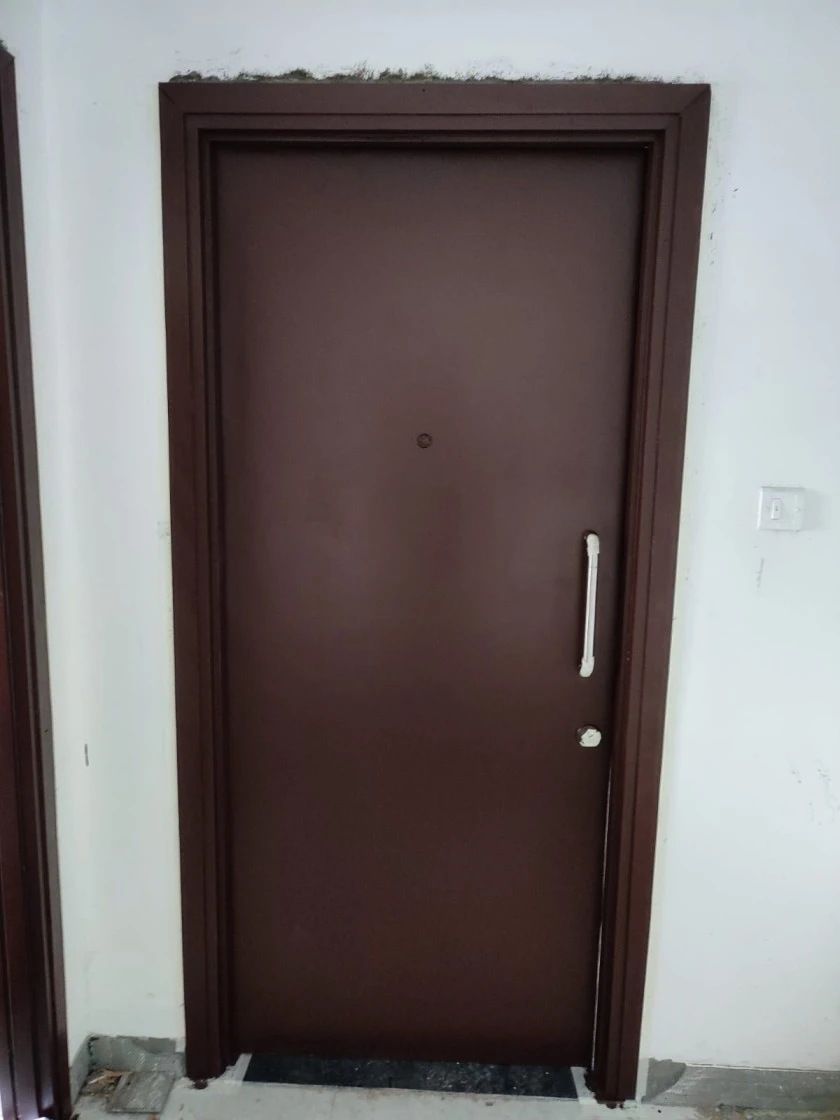

Fire doors are essential elements in the safety architecture of any building, designed to prevent the spread of fire and smoke, thereby protecting lives and property. This article delves into the significance of fire doors, their features, applications, and why they are indispensable in modern construction and fire safety strategies.
What Are Fire Doors?
Fire doors are specially designed and constructed to withstand fire for a specified period, typically ranging from 20 minutes to several hours. These doors are integral to creating fire-resistant compartments within buildings, slowing the spread of fire and providing crucial time for occupants to evacuate safely.
Key Features of Fire Doors
These materials are selected for their ability to withstand high temperatures without compromising structural integrity.
Intumescent Seals: These seals expand when exposed to heat, sealing gaps around the door to prevent the passage of smoke and flames. This feature is vital for maintaining the door’s fire-resistant barrier.
Certification and Ratings: Fire doors are tested and certified to meet specific fire resistance ratings, such as 20, 30, 60, or 120 minutes. Certification from recognized bodies like UL (Underwriters Laboratories) or BS (British Standards) ensures reliability and compliance with safety standards.
Applications of Fire Doors
Fire doors are used in a variety of settings, including:
Commercial Buildings: Office buildings, shopping centers, and hotels use fire doors to protect occupants and create safe evacuation routes.
Residential Buildings: Apartments, dormitories, and high-rise buildings incorporate fire doors to enhance resident safety and limit fire spread.
Healthcare Facilities: Hospitals, clinics, and care homes use fire doors to safeguard patients, staff, and critical areas like operating rooms.
Educational Institutions: Schools, colleges, and universities install fire doors to protect students and staff and ensure safe exits during emergencies.
Industrial Facilities: Factories and warehouses use fire doors to protect valuable equipment and inventory, as well as ensure worker safety.
Benefits of Fire Doors
Life Safety: Fire doors play a crucial role in protecting lives by containing fire and smoke, allowing more time for safe evacuation.
Property Protection: By preventing the spread of fire, these doors help minimize damage to the building and its contents.
Regulatory Compliance: Fire doors ensure buildings meet local and international fire safety codes and standards, essential for legal and insurance purposes.
Insurance Benefits: Installing fire door can lead to lower insurance premiums due to the reduced risk of extensive fire damage.
Maintenance of Fire Doors
Regular maintenance is essential to ensure fire doors remain effective. This includes:
Routine Inspections: Regularly check for any signs of damage or wear, ensuring all components like seals, hinges, and door closers are functioning properly.
Testing: Periodically test the door to ensure it closes and latches correctly and that the intumescent seals expand as expected when exposed to heat.
Repairs and Replacements: Promptly address any issues by repairing or replacing damaged parts to maintain the door’s fire-resistant capabilities.
FAQs about Fire Doors
Fire doors are specially constructed with materials and seals that can withstand high temperatures and prevent the spread of fire and smoke, unlike regular doors.
How often should fire doors be inspected?
Fire doors should be inspected at least every six months, although more frequent inspections may be necessary in high-risk areas or following any significant changes to the building.
Can fire doors be customized?
Yes, fire doors can be customized to fit specific sizes, finishes, and aesthetic preferences while still meeting fire safety standards.
What happens if a fire door is propped open?
Propping open a fire door renders it ineffective, allowing fire and smoke to spread quickly. Fire doors should always be kept closed or equipped with automatic closing devices.



























Sign in to leave a comment.