
Gas safety is a critical concern for building owners and occupants across New York City. Aging infrastructure, high building density, and widespread use of gas systems make regular inspections essential for preventing leaks, fires, and other dangerous incidents. To address these risks, the city enacted Local Law 152, which mandates periodic inspections of gas piping systems in many buildings. Understanding the importance of NYC Local Law 152 gas inspection requirements is essential for protecting occupants, maintaining compliance, and supporting long term building safety.
This article explains why gas inspections under Local Law 152 matter, how the inspection process works, and what building owners and managers should know to meet their responsibilities effectively.
Understanding NYC Local Law 152 Gas Inspection Requirements
Local Law 152 was introduced to improve oversight of gas piping systems in buildings throughout New York City. It focuses on early detection of unsafe conditions that could lead to serious emergencies.
The purpose of Local Law 152
The primary goal of the law is to reduce the risk of gas related incidents by requiring routine inspections. Many buildings rely on gas piping that may be decades old. Without regular evaluation, small issues can go unnoticed until they become severe hazards.
How the law fits into city safety initiatives
NYC Local Law 152 gas inspection requirements are part of a broader effort to strengthen building safety. While other regulations address emergency response or occupant awareness, this law focuses on the physical condition of gas piping systems themselves.
Why Gas Inspections Are So Important
Gas inspections play a vital role in preventing dangerous conditions and protecting lives.
Preventing gas leaks and explosions
Even minor leaks can create serious risks in enclosed spaces. Inspections help identify leaks, corrosion, and improper connections before they escalate into fires or explosions.
Protecting building occupants
Residential and commercial buildings often house many people. Regular inspections reduce the likelihood of incidents that could cause injuries, property damage, or loss of life.
Supporting public safety goals
By enforcing consistent inspection standards, the city aims to improve safety not only within individual buildings but also across neighborhoods and communities.
Which Buildings Are Subject to NYC Local Law 152 Gas Inspection
Understanding whether a building is covered by the law is a key first step.
Buildings with gas piping systems
Most buildings that contain gas piping are subject to NYC Local Law 152 gas inspection requirements. This includes residential buildings, commercial properties, and mixed use structures where gas is used for heating, cooking, or other purposes.
Limited exemptions
Buildings without gas piping systems may be exempt. However, exemptions are limited, and many owners mistakenly assume they do not apply. Careful review of building systems is necessary.
Owner responsibility
The responsibility for compliance rests with the building owner. Property managers often handle logistics, but owners remain accountable for meeting inspection and filing requirements.
Inspection Cycle and Timing
Local Law 152 inspections are not one time events. They follow a recurring schedule that owners must understand.
Four year inspection cycle
Buildings covered by the law must complete a gas piping inspection once every four years. The specific inspection year is determined by the last digit of the building’s tax block number.
Importance of meeting assigned deadlines
Missing the assigned inspection year can result in violations and fines. Completing an inspection outside the designated year does not automatically satisfy compliance requirements.
Planning inspections in advance
Scheduling inspections early in the compliance year allows time to address any issues that may be identified. Waiting until the last minute increases the risk of non compliance.
What a NYC Local Law 152 Gas Inspection Involves
The inspection process is detailed and must be performed by qualified professionals.
Scope of the inspection
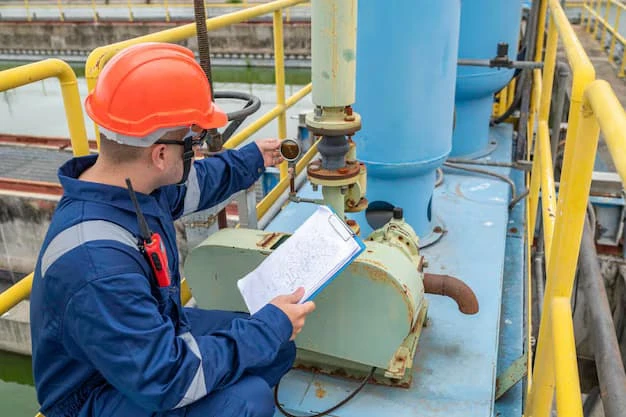
The inspection focuses on exposed gas piping from the point of entry into the building through public spaces and into tenant areas where accessible. Inspectors look for signs of leaks, corrosion, illegal connections, and other unsafe conditions.
Areas typically included
Common areas, mechanical rooms, basements, and accessible portions of tenant spaces are reviewed. The goal is to assess the overall condition of the piping system.
Areas typically excluded
Gas appliances themselves are generally not the focus of the inspection unless specific conditions require further evaluation. The emphasis remains on piping integrity.
Qualified Professionals and Inspection Standards
Not everyone is permitted to perform Local Law 152 inspections.
Who can conduct inspections
NYC Local Law 152 gas inspection requirements specify that inspections must be conducted by individuals with appropriate qualifications and approval. This ensures consistency and reliability in inspection results.
Importance of proper credentials
Using qualified professionals reduces the risk of incomplete inspections or incorrect reporting. Proper credentials also help ensure findings are accepted by the city.
Consistency with city guidelines
Inspectors must follow established procedures and standards. This consistency supports accurate evaluations and fair enforcement.
Inspection Results and Required Actions
After an inspection is completed, the findings determine next steps.
Safe conditions
If no unsafe conditions are found, the inspection can be certified as compliant. Proper documentation must still be filed with the city.
Unsafe or hazardous conditions
When issues are identified, they must be addressed promptly. Hazardous conditions may require immediate repair and, in some cases, temporary shutdown of gas service.
Follow up inspections
After repairs are completed, a follow up inspection may be required to confirm that conditions have been corrected and the system is safe.
Filing and Documentation Obligations
Compliance involves more than completing the inspection itself.
Submitting certification
Building owners must submit certification of the inspection to the city within the required timeframe. Late or missing filings can result in penalties even if the inspection was completed.
Maintaining records
Keeping inspection reports, certifications, and repair documentation is essential. These records support future inspections and demonstrate compliance history.
Preparing for audits or reviews
In some cases, the city may request additional information. Organized records make it easier to respond quickly and accurately.
Consequences of Ignoring NYC Local Law 152 Gas Inspection Requirements
Failing to comply with the law can have serious consequences.
Financial penalties
The city may impose fines for failing to inspect, failing to file certification, or failing to correct unsafe conditions. These penalties can accumulate if issues are not resolved.
Increased liability risk
In the event of a gas related incident, lack of compliance may increase legal and financial liability. Inspections demonstrate a proactive approach to safety.
Operational disruptions
Severe violations can lead to gas service interruptions, which may displace occupants or disrupt business operations.
Benefits of Regular Gas Inspections Beyond Compliance
While compliance is mandatory, gas inspections offer additional advantages.
Improved system reliability
Regular inspections help identify wear and tear early, supporting better maintenance planning and fewer unexpected failures.
Lower emergency repair costs
Addressing issues proactively is often less expensive than responding to emergencies. Inspections can reduce long term repair costs.
Greater confidence for occupants
Knowing that gas systems are regularly inspected helps build trust and confidence among residents, tenants, and employees.
Best Practices for Managing Local Law 152 Compliance
Building owners and managers can take steps to simplify compliance and maximize benefits.
Establish a compliance calendar
Tracking inspection cycles and deadlines helps ensure inspections and filings are completed on time.
Communicate with occupants
Providing advance notice of inspections helps secure access to required areas and reduces inconvenience.
Address maintenance proactively
Routine maintenance between inspection cycles can prevent minor issues from becoming major violations.
The Long Term Role of Gas Inspections in Building Safety
NYC Local Law 152 gas inspection requirements reflect a shift toward proactive safety management.
Supporting safer building environments
Regular inspections contribute to safer living and working environments across the city.
Encouraging responsible ownership
The law reinforces the idea that building owners play a key role in protecting public safety.
Preparing for future regulations
As safety standards evolve, buildings with strong inspection and maintenance practices are better positioned to adapt.
Conclusion
NYC Local Law 152 gas inspection requirements are a vital component of New York City’s approach to building safety. By mandating regular inspections of gas piping systems, the law helps identify hazards early, reduce the risk of serious incidents, and protect occupants and property. Understanding inspection cycles, working with qualified professionals, maintaining accurate records, and addressing issues promptly are all essential to successful compliance. Beyond meeting legal obligations, regular gas inspections support safer, more reliable building operations and long term risk reduction.
For building owners and managers seeking knowledgeable guidance on gas safety and regulatory compliance, National Energy Cost Services, Inc. (NECS) provides experienced support to help navigate NYC Local Law 152 gas inspection requirements with confidence and clarity.































Sign in to leave a comment.