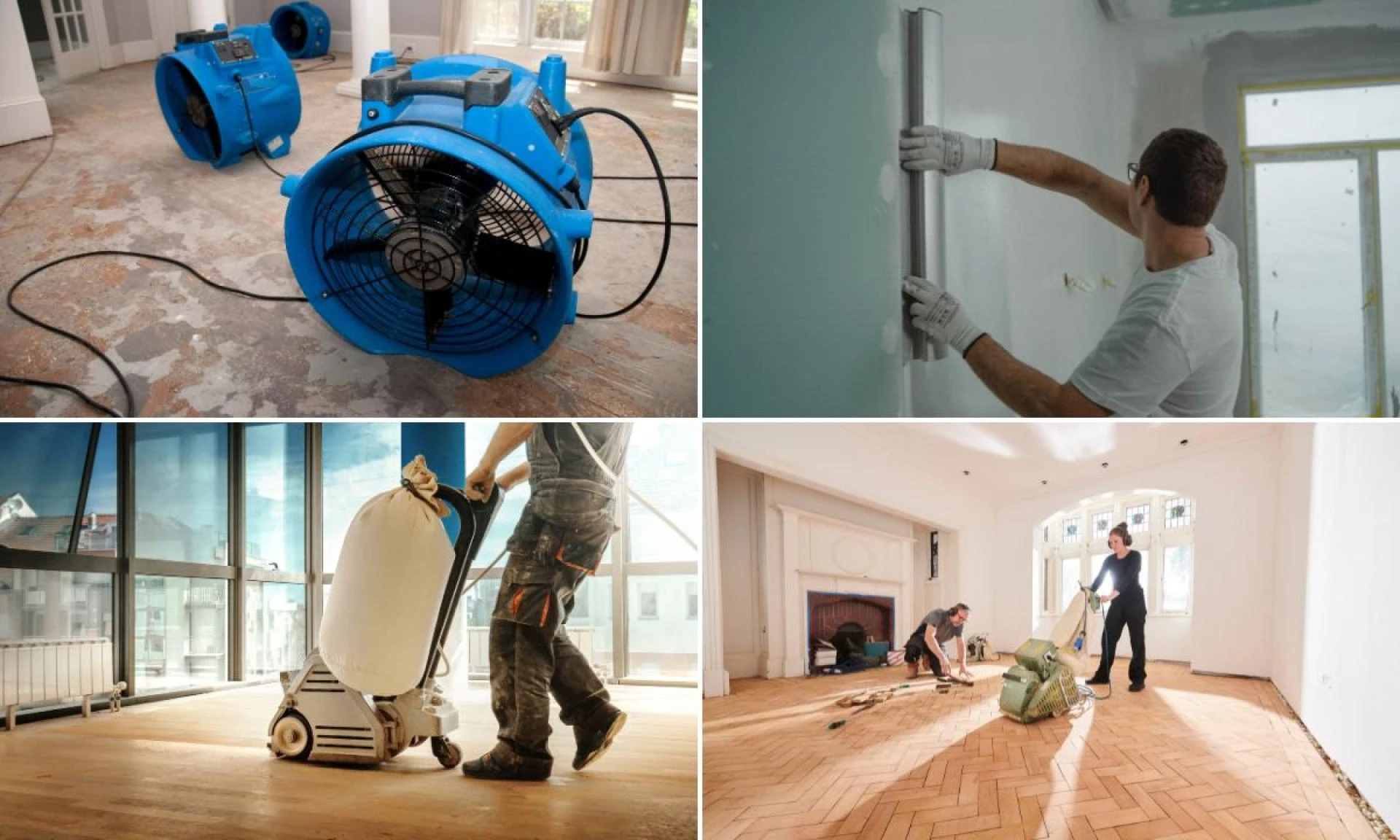
When disaster strikes—whether it’s water damage, fire destruction, or mold infestation—restoration professionals step in to rebuild, repair, and restore. However, their success isn’t solely dependent on skill and expertise; the equipment they use plays an equally vital role. High-quality, professional-grade tools allow restoration teams to work efficiently, safely, and effectively, ensuring homes and businesses recover quickly.
The Science Behind Restoration Equipment
Restoration services have evolved significantly due to technological advancements. Modern tools and machinery now enable professionals to assess damage more accurately, remove hazards efficiently, and restore structures with precision. Unlike conventional cleaning or DIY methods, professional equipment is designed to handle large-scale damage, minimize risks, and speed up recovery times.
Water Damage Restoration: Tackling Moisture with Precision
Water damage is one of the most common restoration challenges. Using powerful water extractors, professionals can remove standing water quickly, preventing further structural damage. Dehumidifiers and air movers then work in tandem to dry affected areas and prevent mold growth. Advanced moisture meters and infrared cameras allow technicians to detect hidden water pockets behind walls and floors, ensuring thorough drying.
Fire and Smoke Damage: Restoring Property with Advanced Tools
After a fire, restoring a property goes beyond simple cleaning. Soot and smoke residues can linger in the air and settle on surfaces, leading to persistent odors and potential health hazards. HEPA vacuums and air scrubbers effectively remove fine soot particles, while thermal fogging and ozone machines neutralize smoke odors. Ultrasonic cleaning systems help restore smoke-damaged items, salvaging valuable belongings that might otherwise be discarded.
Mold Remediation: Eradicating Threats with Specialized Equipment
Mold infestations pose serious health risks and require specialized equipment for safe removal. Air filtration devices, such as negative air machines and HEPA filters, ensure mold spores don’t spread during remediation. Dry ice blasting offers a non-toxic method for mold removal, particularly on delicate surfaces. To prevent regrowth, encapsulation techniques seal affected areas, providing long-term protection against future infestations.
Safety First: Personal Protective Equipment (PPE) in Restoration
The safety of restoration professionals is paramount. High-quality respirators, gloves, protective suits, and eye protection shield workers from exposure to harmful contaminants. Containment barriers help isolate affected areas, preventing cross-contamination during cleanup. Adhering to strict safety protocols ensures both workers and building occupants remain safe throughout the restoration process.
The Role of Professional Equipment in Large-Scale Restoration Projects
Large-scale restoration projects, such as commercial properties or multi-unit buildings, require industrial-grade equipment. High-capacity desiccants and drying chambers are essential for drying massive spaces efficiently. Coordinating multiple machines, such as industrial air scrubbers and high-power extraction pumps, is key to managing complex restoration jobs.
The Cost vs. Benefit of Investing in High-Quality Equipment
While professional restoration equipment comes with a significant price tag, its benefits outweigh the costs. High-quality tools improve efficiency, reduce downtime, and enhance the accuracy of restoration efforts. Faster job completion leads to higher customer satisfaction, while advanced equipment minimizes the likelihood of secondary damage, saving money in the long run.
Future Trends: How Technology is Transforming Restoration Equipment
As technology advances, restoration equipment continues to evolve. Smart sensors and AI-driven diagnostics help detect damage before it worsens, improving response times. Robotics and automation are being integrated into damage assessment, allowing for precise evaluations in hazardous environments. Additionally, eco-friendly solutions, such as biodegradable cleaning agents and energy-efficient equipment, are becoming industry standards.
Conclusion: The Unmatched Value of Professional Equipment
Restoration services rely on a combination of expertise and cutting-edge equipment to deliver top-quality results. Investing in professional-grade tools not only enhances efficiency but also ensures safety, precision, and long-term success in restoration projects. As technology advances, the industry will continue to evolve, making restoration services more effective and accessible than ever before.










Sign in to leave a comment.