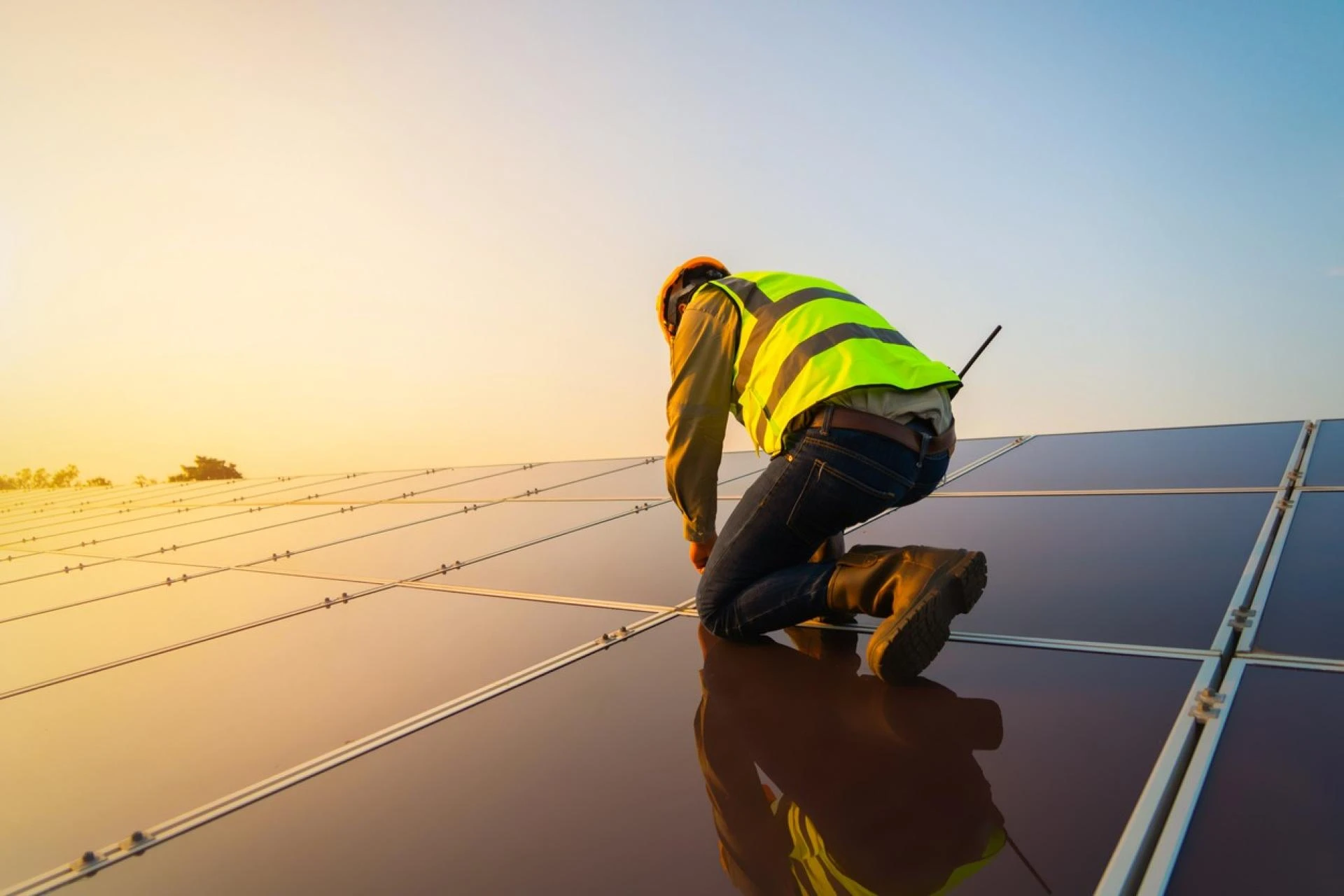
Utility-scale solar plants play a pivotal role in harnessing the power of the sun to generate electricity. However, a common question that arises is, "How often do the owners of utility-scale solar plants have to clean their panels?" The cleanliness of solar panels directly impacts their efficiency and, consequently, the overall performance of the solar plant.
Solar panels are exposed to various environmental elements, such as dust, dirt, pollen, bird droppings, and atmospheric pollutants, which can accumulate over time and hinder the absorption of sunlight. As a result, regular panel cleaning is essential to maintain optimal energy production.
The frequency of cleaning largely depends on the specific environmental conditions of the solar plant's location. In areas with high levels of dust or pollen, more frequent cleaning may be required. Conversely, regions with lower pollution levels and significant rainfall may require less frequent cleaning, as natural elements can contribute to panel maintenance.
Industry standards typically recommend cleaning solar panels at least once or twice a year, but this guideline is not universal. Monitoring the performance of the solar plant and conducting regular inspections can help owners determine the appropriate cleaning schedule. Some owners adopt a proactive approach by scheduling cleaning during seasonal transitions, minimizing the impact of dirt accumulation.
Several methods can be employed for cleaning solar panels, ranging from manual cleaning by trained personnel to automated systems. Water, combined with mild detergents, is commonly used to remove dirt and grime. Additionally, specialized cleaning equipment, such as soft brushes or squeegees, helps prevent scratches and damage to the panel surface.
Apart from ensuring optimal energy production, regular panel cleaning also extends the lifespan of solar panels. Clean panels experience less wear and tear, reducing the need for repairs and replacements. This not only contributes to the plant's overall efficiency but also enhances the long-term sustainability of the solar project.
In conclusion, the frequency of cleaning utility-scale solar panels is a crucial factor in maximizing energy output and ensuring the longevity of the solar plant. Owners must consider environmental conditions, monitor performance, and adopt a proactive approach to panel maintenance. By adhering to a well-planned cleaning schedule, solar plant operators can harness the full potential of solar energy, contributing to a cleaner and more sustainable future.

























Sign in to leave a comment.