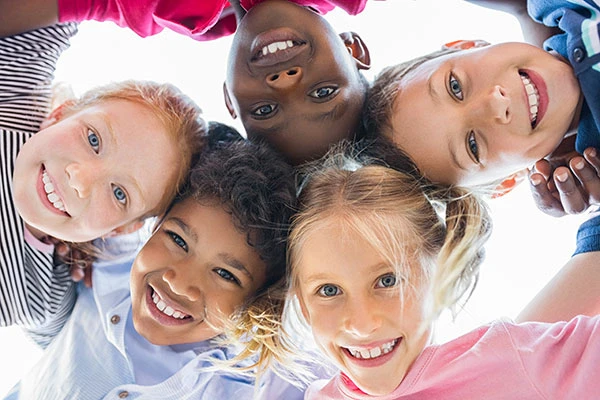

It is obvious that academic prowess alone does not prepare pupils to handle the complex problems of the 21st century in the rapidly changing educational environment of today. While topics like math, science, and language arts unquestionably constitute the foundation of a student's education, Social-Emotional Learning (SEL) is another essential component that is sometimes disregarded. SEL covers a range of abilities, including self-awareness, emotional control, empathy, and successful communication. These abilities are the cornerstone of a comprehensive education; they go beyond simple "soft skills." Let’s examine the importance of integrating SEL for teachers and students into the curriculum, much like the eye-opening revelations from Edutopia.
Grasping the Essence of SEL:
Although the idea of social and emotional learning is not new, its importance has grown recently. It includes the process by which people, especially students, learn and put into practice the knowledge, attitudes, and abilities required to understand and control emotions, establish and achieve positive goals, feel empathy for others, foster and maintain positive relationships, and make wise decisions. These abilities go beyond what is typically referred to as "soft skills" and are the foundation of both academic and personal success.
Why is SEL Indispensable for Students?
Academic Victory: Research regularly shows that children participating in SEL programs do better academically, dispelling the myth that time spent on SEL takes away from academic endeavors. Students are better prepared to concentrate on their studies and persevere through academic problems by developing skills like goal-setting and self-control.
Emotional Well-Being: SEL gives pupils the skills to recognize and control their emotions successfully. This benefits their mental health and helps create a safe and supportive learning environment in the classroom.
Enhanced Social Skills: SEL encourages empathy, effective communication, and conflict resolution skills, all of which are crucial skills not just in the classroom but also in everyday life. Students who perform well in these areas are more likely to develop good relationships and act pro-social.
Mitigated Behavioral Issues: SEL programs help to reduce disciplinary occurrences by addressing the underlying causes of behavioral issues, such as impulsivity and insufficient emotional control. As a result, teachers are given the freedom to concentrate on teaching without being distracted.
Preparation for Real-world Challenges: Getting Ready for Real-World Challenges: In a linked and complex world, being able to work together, communicate clearly, and understand social nuances is essential. By equipping kids with these crucial life skills, SEL makes sure they are ready for success in the future.
Implementing SEL in the classroom:
Social Emotional Learning In Classroom has to be effortlessly incorporated in order to reach its full potential. This integration can be facilitated by a number of strategies:
Curriculum Integration: Integrate SEL ideas into current topic areas to provide a comprehensive approach to teaching throughout the curriculum.
Dedicated SEL Programs: Implement dedicated SEL programs that include lessons and exercises focused on social and emotional learning.
Teacher Education: Provide teachers with the information and tools they need to smoothly integrate SEL into their teaching strategies.
School-wide Approach: Create a climate of SEL that penetrates every aspect of the educational system, including parents, administrators, and support personnel.
Conclusion:
Social-emotional learning is an important part of education since it enhances academic performance, emotional stability, and interpersonal skills. It is not a distinct notion. By implementing SEL, students get the skills they need to excel in school, job, and life. Academic achievement and "soft skills" are not mutually exclusive; rather, it is critical to develop the whole student. Let's keep in mind that Social Emotional Development completes the picture while academic accomplishment completes the picture as we negotiate the always-changing educational landscape.

























Sign in to leave a comment.