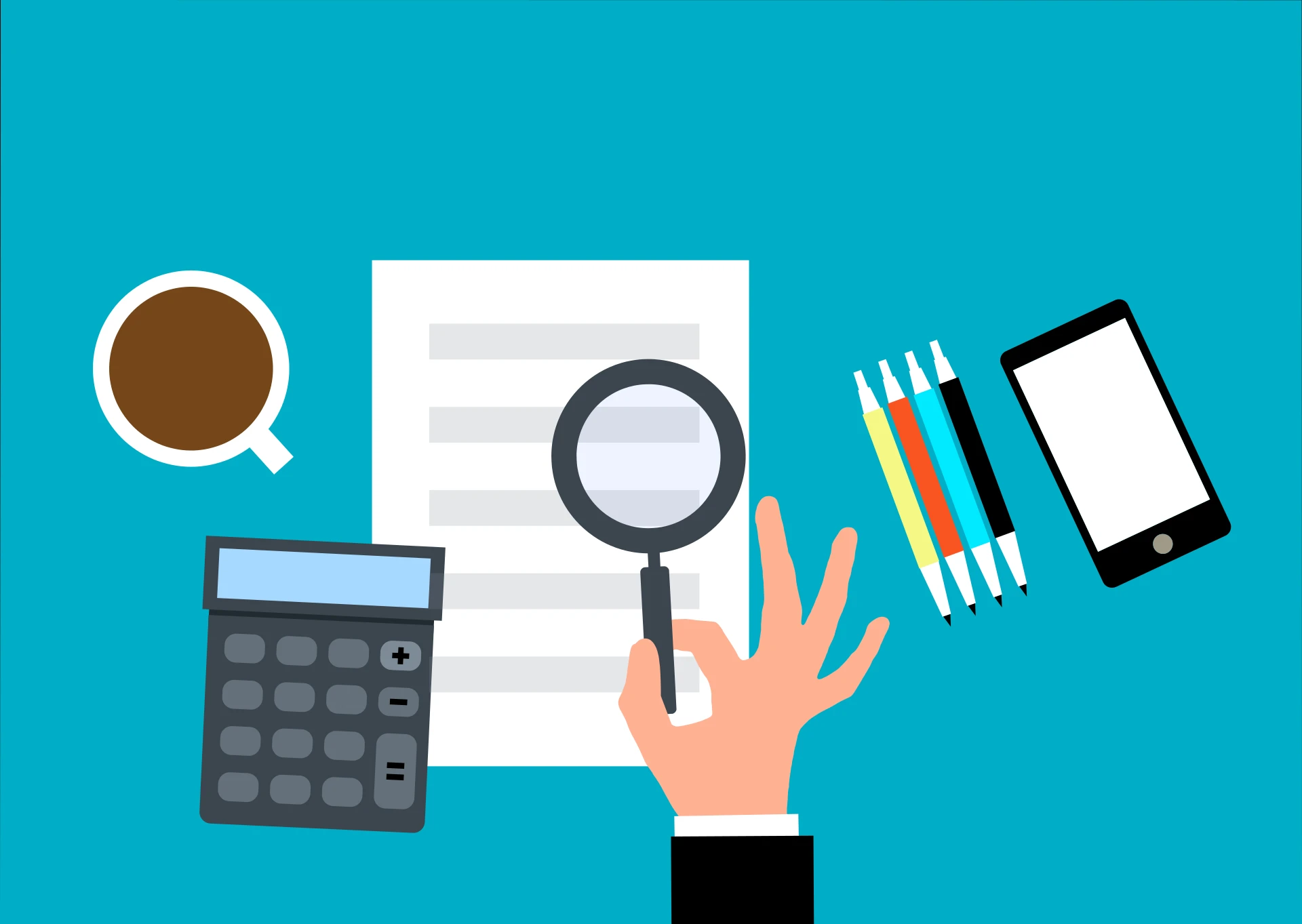

Managing finances can be a daunting task, especially if you do not have a clear idea of your expenses and income. To ensure you stay on top of your financial health, it is essential to track your expenses and income. In this guide, we will explore why tracking expenses and income is important, how to track them effectively, and the benefits of doing so.
Why Track Expenses And Income?
1. Achieve Financial Goals
One of the most significant reasons for tracking expenses and income is to achieve financial goals. When you track your expenses, you can determine how much you are spending and where you can cut back. This, in turn, allows you to save more and achieve your financial goals, such as buying a house, saving for retirement, or going on a dream vacation.
2. Make Informed Financial Decisions
Tracking all your incomings and outgoings helps you make informed financial decisions. When you have a clear idea of your income and expenses, you can determine whether you can afford a new purchase, whether it is necessary, or whether it can wait. Tracking expenses also helps you avoid overspending, which can lead to accumulating debt.
3. Budget Effectively
Budgeting is a crucial aspect of managing finances. When you track your expenses, you can create and stick to a budget. A budget helps you manage your money by outlining how much you earn and spend. It helps you prioritize expenses, avoid overspending, and save money.
4. Identify Areas of Improvement
Tracking expenses and income allows you to identify areas where you can improve your financial health. For instance, if you notice you are spending too much on dining out, you can create a plan to reduce expenses in that area. Identifying areas of improvement allows you to fine-tune your financial goals and achieve them faster.
How To Track Expenses And Income
Now that you understand why tracking expenses and income is important, let us explore how to track them effectively.
1. Pen and Paper
The most basic method of tracking your finances is using good old fashioned pen and paper. You can write down all your income and expenses in a notebook or journal. However, this method can be time-consuming and prone to errors.
2. Use Spreadsheets
Another popular method of tracking expenses and income is by using spreadsheets. You can create a spreadsheet using software such as Microsoft Excel or Google Sheets. In a spreadsheet, you can track your expenses by date, amount, and category. This method is more organized and efficient than pen and paper but can still be cumbersome.
3. Use Expense Tracking Software
Expense tracking software is a useful tool that helps you track your expenses automatically. These tools link to your bank account, credit card, or other financial accounts and categorize your expenses automatically. You can access your spending data in real-time and generate reports that give you insights into your spending habits.























Sign in to leave a comment.