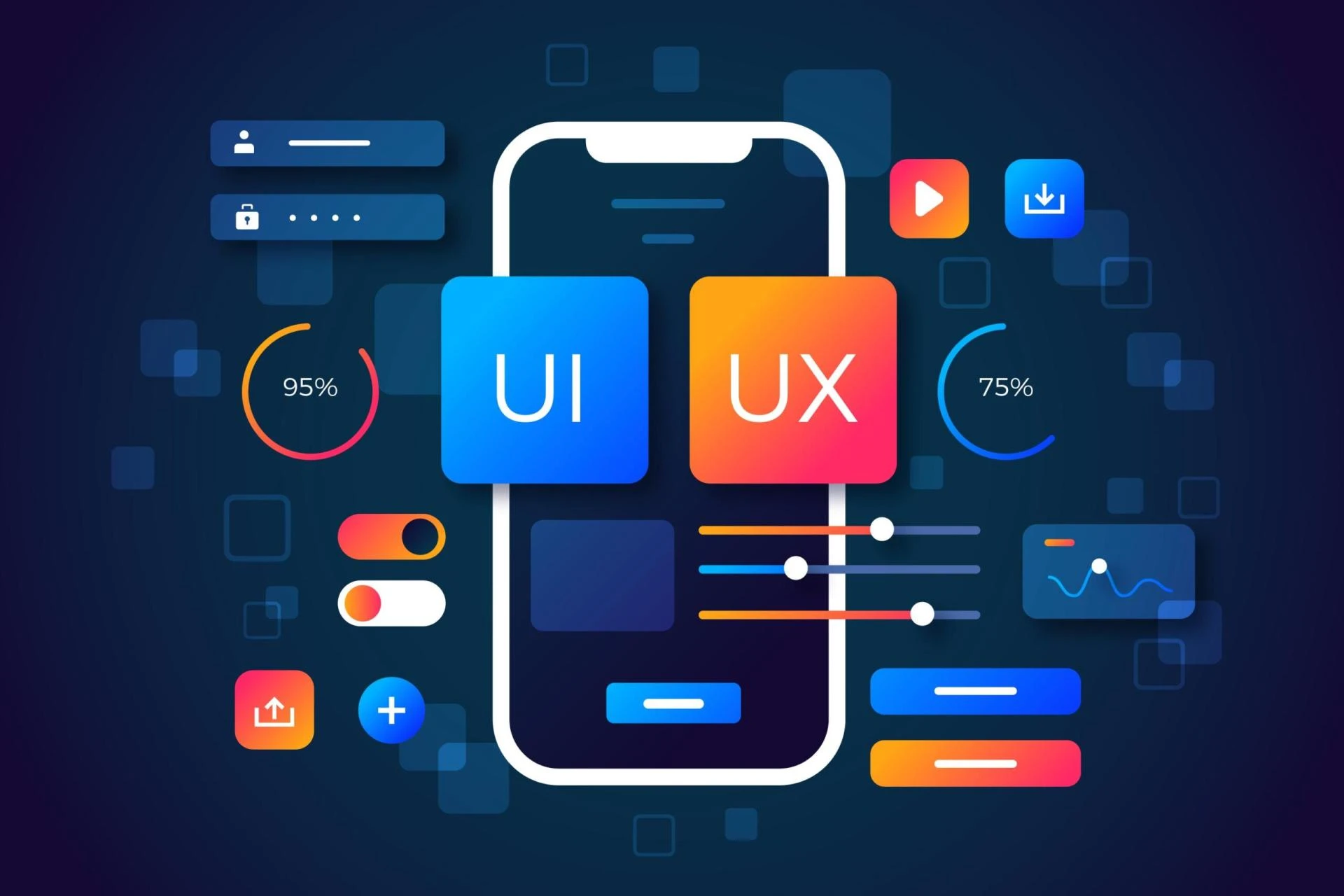

Mobile apps reshape how we live today. Whether ordering meals, calling rides, or messaging family, apps have transformed our tech connections. However, an app's success depends not just on functionality, but also user experience (UX) design. India's top mobile app developers know that seamless UX ensures user satisfaction and retention for a winning app.
Understanding UX and Its Key Components
User Experience (UX) design crafts intuitive digital interactions. It's an art and science reaching beyond looks, touching every user-app touchpoint. Understanding the user's journey from download through daily use. UX melds key components for an engaging user interface (UI).
First comes user research - exploring audience needs, wants, limitations. This guides wireframes - blueprints for layout and features. Prototypes then animate those wireframes, previewing the app's future look and feel.
Essentially, UX design harmonizes utility and delight. It balances must-have functions with an enjoyable experience. Mobile's compact screens demand streamlining and prioritizing tools. That minimal aesthetic delights via visual consistency and effortless navigation pathways.
UX also personalizes by aligning content, interactions, even branding with demographics. When successful, UX makes an app feel custom-tailored for each user – an extension of themselves.
User testing is key, enabling the adjustment of the app according to genuine user responses. This repeated process confirms the final product isn't just functional but enjoyable. Accessibility must be considered too, ensuring the app works easily for those with varying capabilities.
By combining these factors, UX design exceeds standard development, transforming functional apps into meaningful experiences that connect personally with users.
The Impact of UX on User Satisfaction and Retention
Compelling user experiences are vital for securing high user satisfaction and retention rates for mobile apps. Users encountering seamless, intuitive app designs are likelier to engage deeply and consistently, making the app routine.
Confusing navigation, slow loading, or unresponsive elements, however, can rapidly alienate users towards alternatives. UX significance in maintaining user interest cannot be overstated. It bridges initial curiosity and lasting loyalty, ensuring not just retention but advocacy.
First impressions matter greatly for mobile apps. An intuitive, engaging UX immediately conveys value and competence, encouraging ongoing use. As users become accustomed, considered UX remains crucial in their decision to keep and frequently use the app.
This sustained satisfaction fuels positive word-of-mouth and sharing, amplifying retention further. By embedding UX centrally in app development, creators forge strong emotional connections with audiences, transforming casual users into loyal supporters.
Read More: 21+ Top Mobile App Development Companies in India in 2024
How UX Design Influences Conversion Rates
Captivating users is essential. However, guiding them through a journey culminating in conversions is key. In mobile app development, the path from engagement to sales or desired actions relies heavily on how seamlessly and intuitively the app guides users.
Skillfully crafted UX design removes conversion barriers by simplifying navigation, speeding up load times, and ensuring clear, compelling calls to action.
Strategic element placement subtly directs users toward purchases, signups, or target actions benefiting the business. This is where understanding user behavior becomes invaluable. By analyzing interactions, developers refine UX elements to better align with expectations, smoothing the conversion path.
Furthermore, personalization plays a crucial role. An app adapting UX based on preferences and behaviors feels intuitive, significantly boosting conversion rates.
By making users feel understood and valued, the likelihood of converting casual browsing into meaningful engagement and transactions increases.
Thus, in mobile apps' competitive landscape, well-conceived UX design isn't just aesthetic—it's a powerful conversion and business objective driver.
The Role of UX in Competitive Differentiation
In today's crowded digital world, a standout user experience (UX) separates great apps from good ones. It's not only aesthetics or features, but how people feel using it. An intuitive app anticipating needs, minimizing friction, provides a seamless journey. This earns a competitive edge over rivals.
As user expectations evolve rapidly, the ability to swiftly enhance UX based on feedback and data is crucial. Agility helps retain current users and attract newcomers seeking a better experience.
This commitment to understanding and improving the user's path elevates a good app to greatness. UX design isn't just a development step, but a strategic differentiator.
It's this understanding and enhancing the user journey that turns a good app great, making UX design not just a piece of the process, but a strategic competitive tool.
Read More: 65+ Top Mobile App Development Ideas in 2024
Challenges in UX Design for Mobile Apps
UX design for mobile apps faces unique hurdles impacting the end product. First, designing for diverse screen sizes and resolutions demands ensuring consistent, functional experiences across devices through diligent planning and testing. Another obstacle is effectively integrating user feedback by identifying patterns and genuine issues.
Striking a balance between innovation and intuitive design is delicate groundbreaking features must feel natural, avoiding unnecessary complexity. Mobile constraints like processing power and battery also dictate design choices. Finally, upholding user-centric design amid tight deadlines and budgets challenges teams to deliver outstanding user experiences within limitations creatively.
Best Practices in UX Design by Top Mobile App Development Services
The best mobile app developers focus on the user. They study how people use apps. They look at needs, habits, and issues. That helps them create apps people want to use.
Top developers make prototypes. They test ideas quickly with users. Users give feedback to improve the design. This cycle makes apps easy to use. The perfect experience takes shape.
Apps must be accessible, and controls should work for everyone. That includes big text, voice commands, and color contrast. Following those rules helps disabled people use the app.
After launch, good developers keep improving. They watch how people use the app. Then, they update to make it better over time. People stay loyal to apps that listen to their needs.
Read More: How Much Does It Cost To Make An App In 2024?
Sum up
Great UX is crucial for success. People expect apps that are a joy to use. UX design makes this happen. A well-designed app grabs user interest fast. But it also keeps them coming back. That boosts satisfaction, retention, and sales. Top Indian developers follow best practices.
They navigate user expectations and technology limits. With smart UX, an app delights people. It rises above basic functions to wow. UX elevates simple tasks into memorable experiences people love. That's the key to winning in the competitive app world.




























Sign in to leave a comment.