
In the world of modern dentistry, technology is constantly advancing, and one innovation that has taken center stage is digital dental impressions. Unlike the traditional method that involves messy molds and trays, digital impressions are a game-changer in the dental field. In this article, we'll dive into how digital dental impressions work, shedding light on this revolutionary technique, without getting bogged down in marketing jargon.
The Basics of Digital Dental ImpressionsDigital dental impressions, also known as intraoral scanning, use cutting-edge technology to create a detailed 3D image of a patient's teeth and gums. This process eliminates the need for traditional, gooey impressions and provides several advantages.
The Scanning DeviceThe heart of digital dental impressions lies in a handheld scanning device. This tool resembles a small wand or pen and is equipped with a tiny camera at its tip. The camera captures thousands of precise images per second.
The Scanning ProcessWhen you sit in the dental chair for a digital impression, your dentist or dental assistant will guide the scanning device inside your mouth. As the scanner moves, it captures images of your teeth and gums from various angles. These images are instantly transmitted to a computer, where they are compiled into a highly accurate 3D model.
Real-Time VisualizationOne of the fantastic features of digital dental impressions is that both you and your dentist can see the 3D model on the computer screen in real-time. This allows for immediate feedback and adjustments, ensuring that all necessary areas have been scanned accurately.
Immediate ResultsGone are the days of waiting for molds to set and shipping them to a dental lab. With digital impressions, the results are available almost instantly. This speed significantly reduces the time patients spend in the dental chair.
Improved AccuracyDigital impressions are renowned for their precision. The 3D models they create are incredibly detailed, making them ideal for various dental applications, such as creating crowns, bridges, and orthodontic devices like Invisalign aligners.
Digital StorageOnce the digital impression is complete, the 3D model is stored digitally. This means that your dentist can easily access and reference it whenever needed, making it a convenient tool for tracking your dental health over time.
How Dentists Use Digital ImpressionsDentists use digital impressions in a variety of ways:
Restorations: Digital impressions are used to design and create dental crowns, bridges, and veneers, ensuring a precise fit.
Orthodontics: Orthodontists use digital impressions to plan and monitor Invisalign treatment or the fabrication of traditional braces.
Implants: Digital impressions help ensure that dental implants are placed accurately and securely.
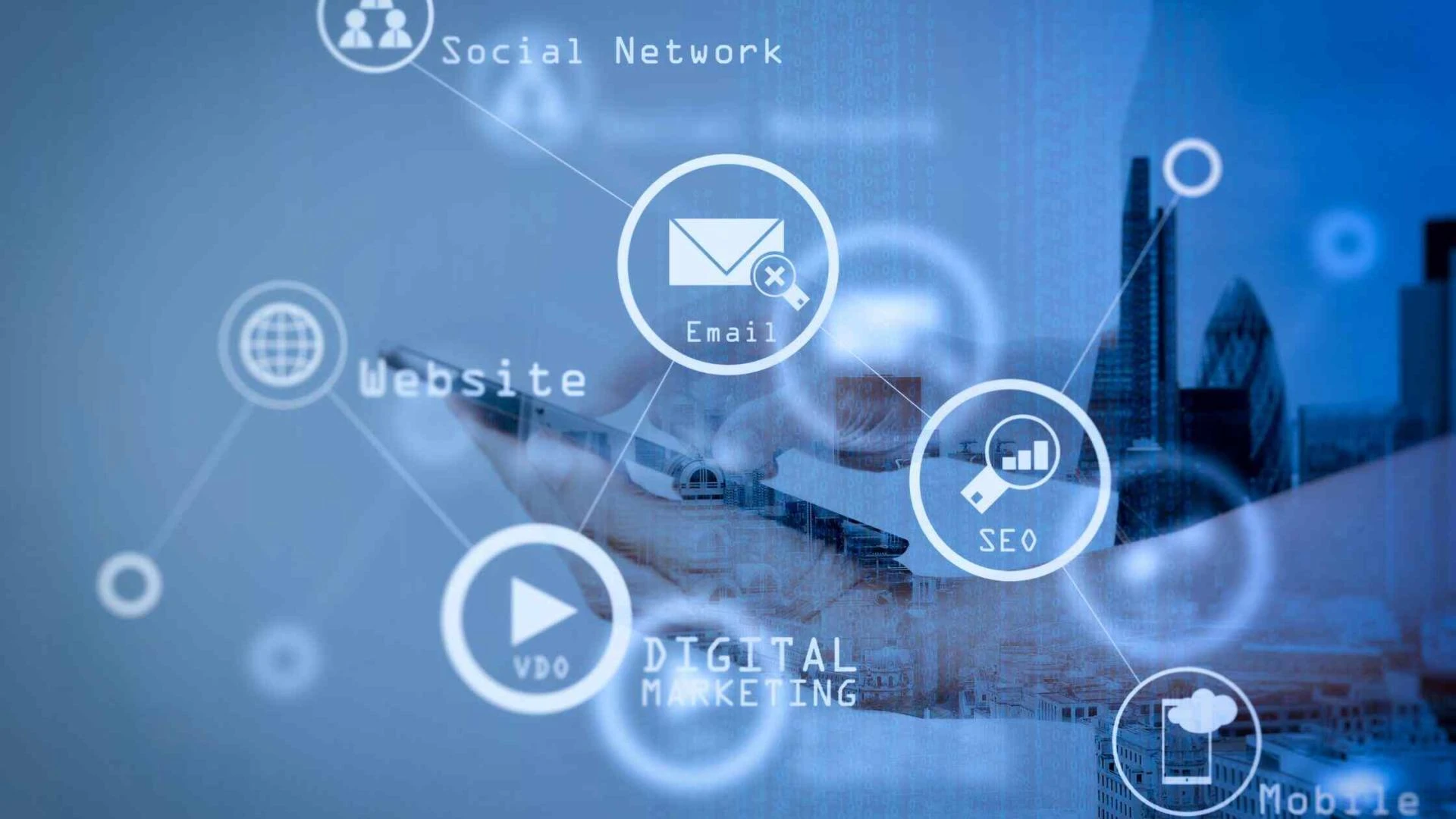
The Role of Digital MarketingNow, let's touch on how digital marketing fits into the picture. Dental practices that offer digital impressions can use digital marketing strategies for dentists to educate potential patients about this technology. By creating informative content, showcasing patient success stories, and partnering with a digital marketing agency for dentists, they can reach a broader audience and attract tech-savvy patients seeking the benefits of digital dentistry.
In conclusion, digital dental impressions are a remarkable advancement in dentistry, offering precision, speed, and comfort compared to traditional methods. By understanding how digital impressions work and effectively communicating this to patients through digital marketing strategies, dental practices can not only provide superior dental care but also attract and retain patients in today's digital age.



























Sign in to leave a comment.