

When homeowners in Salt Lake City consider the air quality of their living spaces, they often focus on the visible aspects: dusting the furniture, vacuuming the carpets, or perhaps investing in a high-quality portable air purifier. However, the most critical component of a home’s respiratory system remains hidden behind drywall and inside floor registers. The air duct network is a complex labyrinth that facilitates every breath you take while indoors.
In the high-altitude, semi-arid climate of the Wasatch Front, air ducts are subjected to unique environmental stressors. From the fine alkaline dust blowing off the Great Salt Lake to the seasonal pollen surges and the soot from winter inversions, the debris that accumulates in these channels is not just "dirt." It is a composite of biological and inorganic matter that can impact both mechanical efficiency and human health.
Many residents believe that a cleaning professional simply arrives, hooks up a vacuum, and leaves. In reality, the most professional services begin long before a single brush is inserted. A comprehensive inspection is the diagnostic phase that determines the safety, necessity, and strategy of the entire process. This article explores the sophisticated methods technicians use to evaluate air ducts in Salt Lake City, ensuring that the subsequent cleaning is effective and safe for the home’s structure.
Section 1: The Initial Assessment and Visual Diagnostic Tools
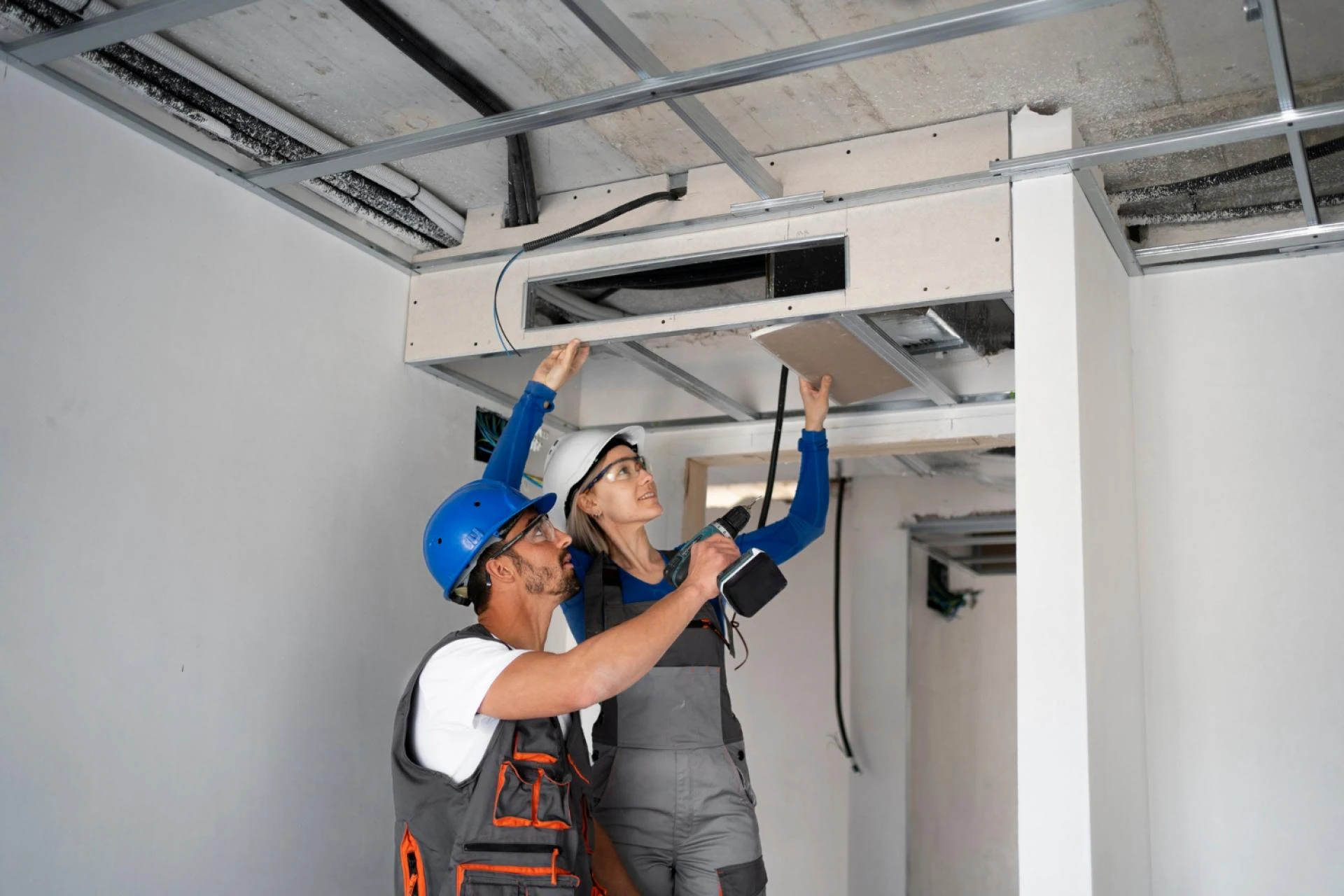
Before any heavy machinery is moved into a residence, a lead technician performs a walkthrough. This is not merely a formality; it is a critical assessment of the HVAC system’s integrity. According to technical definitions found on Wikipedia, the air distribution system includes the blower assembly, the heat exchanger, and the supply and return ducts. A failure to inspect any one of these components can lead to an incomplete cleaning or, worse, damage to the system.
The Role of High-Resolution Fiber-Optic Cameras
The most significant advancement in modern duct maintenance is the use of remote inspection cameras. Technicians utilize flexible, snake-like cameras equipped with high-intensity LED lights. These devices allow the professional to see deep into the "trunk lines" and "branches" of the ductwork that are otherwise inaccessible.
During this phase, the technician looks for several key indicators:
- Particulate Loading: The thickness and type of dust accumulation. Is it "fuzzy" (indicating high lint and pet dander) or "gritty" (suggesting construction debris or external soil)?
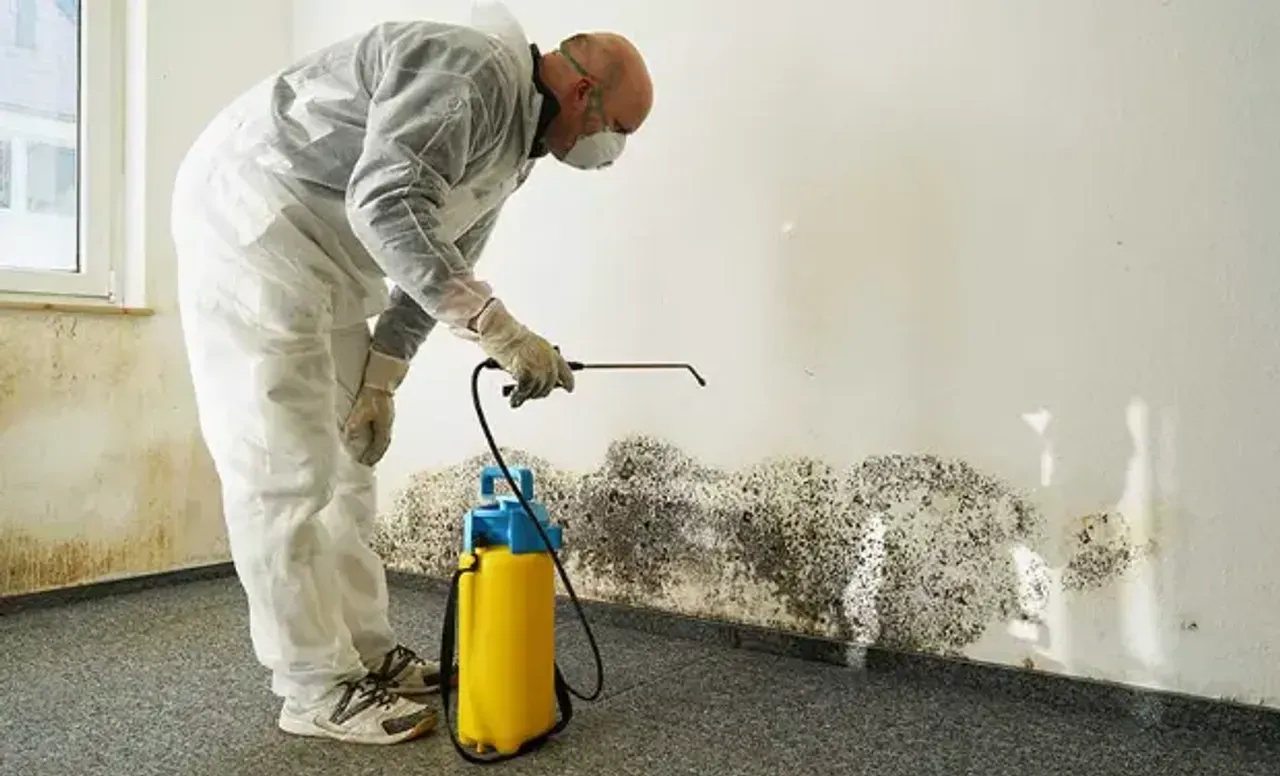
- Microbial Growth: Technicians look for discoloration or spotting on the interior walls of the ducts. In the relatively dry climate of Salt Lake City, mold is less common than in humid regions, but it can still occur near cooling coils or in areas with undetected plumbing leaks.
- Vermin Activity: Evidence of rodents or insects, such as droppings or nesting materials, must be identified immediately. Cleaning a duct that has an active infestation without proper sanitization can aerosolize harmful pathogens.
Pressure Testing and Airflow Analysis
A professional technician often uses a manometer to measure the static pressure within the system. High static pressure acts like high blood pressure in a human; it suggests that the "heart" of the home (the furnace or AC blower) is working too hard because the "arteries" (the ducts) are restricted. By measuring the airflow before the cleaning begins, the technician establishes a baseline. This allows them to prove the efficacy of their work once the project is completed.
Section 2: Identifying Structural Integrity and Potential Hazards
Salt Lake City is home to a diverse array of architecture, from historic Victorian homes in the Avenues to mid-century modern ramblers in Holladay and brand-new builds in Daybreak. Each era of construction presents different ductwork materials and challenges. An inspection must account for the physical state of the conduits themselves.
Checking for Duct Leakage and Disconnections
Over time, the vibrations of the HVAC system and the natural settling of a house can cause duct joints to separate. In many older SLC homes, ducts were sealed with simple cloth tape that eventually dries out and fails. Technicians inspect joints to ensure that air—and the dust it carries—is actually reaching the intended rooms. If a duct is disconnected in a crawlspace, the cleaning process would be a waste of energy, as the vacuum would simply be pulling air from the dirt floor rather than the home’s interior.
Assessing Material Composition
Not all ducts are created equal. Technicians must distinguish between:
- Galvanized Steel: The most durable and easiest to clean.
- Fiberglass Duct Board: Often found in newer or budget-conscious builds; these require specialized soft brushes to avoid shedding fiberglass fibers into the air.
- Flex Duct: Plastic-lined wire coils that are easily punctured. A technician must identify flex duct early to ensure they do not use aggressive mechanical brushes that could tear the lining.
Google News reports that as energy efficiency standards become stricter, the sealing of these materials is becoming a top priority for homeowners. A technician’s inspection often reveals "hidden" energy loss where conditioned air is escaping into unconditioned attics or basements.
Asbestos and Hazardous Materials
In homes built before the late 1970s, technicians are trained to look for white, fibrous tape or insulation around duct joints. This is often asbestos-containing material (ACM). If a technician suspects asbestos, they must stop the inspection and recommend testing. Agitating asbestos with cleaning equipment is a major safety violation and a health risk to the inhabitants.
Section 3: Environmental Factors Specific to the Wasatch Front
The geographic location of Salt Lake City plays a massive role in what a technician expects to find during an inspection. The valley is essentially a bowl, which leads to the famous "inversion" layers where cold air traps pollutants near the ground.
Construction Debris in Growing Suburbs
Salt Lake County and Utah County have seen unprecedented growth. In areas like Herriman or South Jordan, many homes are relatively new. However, "new" does not mean "clean." During the construction of a home, subcontractors often use the floor registers as convenient trash cans for drywall dust, sawdust, and even lunch wrappers. A technician inspecting a newer home is specifically looking for these heavy construction materials which can cause premature wear on the furnace blower motor.
The Impact of Local Pollutants
During the spring, the mountain breezes carry heavy loads of oak and maple pollen into the home. During the summer, smoke from regional wildfires can settle into the ductwork. A technician in Salt Lake City is trained to identify the "greasy" soot residue left behind by smoke, which requires different cleaning agents than standard household dust.
When residents look for services like air duct cleaning Spanish Fork, they are often dealing with a mix of agricultural dust and residential pollutants. Technicians in these surrounding areas must be adept at identifying the specific "bio-load" of the ducts to determine if an anti-microbial fogging treatment is necessary after the physical debris is removed.
Professional Standards and Valuation
As noted in Forbes articles discussing home maintenance, maintaining the mechanical systems of a home is one of the most effective ways to preserve its resale value. A documented inspection report from a certified technician serves as "proof of health" for the home’s HVAC system. It demonstrates that the homeowner is not just reacting to a problem but is proactively managing a high-value asset.
Section 4: Communicating the Findings to the Homeowner
The final stage of the inspection is the consultation. A professional technician will never simply say, "It's dirty; we should clean it." Instead, they provide a transparent overview of their findings, often using the photos or video footage captured by the fiber-optic scope.
The "Go/No-Go" Decision
A truly honest technician will occasionally advise against cleaning. For example, if the inspection reveals that the ducts are so severely damaged or rusted that the cleaning process would cause a collapse, the recommendation will be for replacement rather than maintenance.
Customizing the Cleaning Plan
Based on the inspection, the technician will decide on the following:
- Vacuum Access Points: Where to cut "access holes" in the main plenum to ensure maximum suction.
- Agitation Tools: Whether to use "air whips" (which use compressed air to dislodge dust) or "mechanical brushes" (which physically scrub the metal).
- Filter Recommendations: Suggesting a specific MERV rating for the furnace filter based on the amount of debris found.
This personalized approach ensures that the homeowner isn't paying for a "one size fits all" service. It respects the specific needs of the local environment and the unique history of the property.
Conclusion: The Foundation of Clean Air
The process of inspecting air ducts is far more than a cursory glance into a vent. It is a sophisticated diagnostic procedure that combines mechanical engineering, environmental science, and modern technology. In Salt Lake City, where the air quality can fluctuate wildly due to both natural and man-made factors, the integrity of your home’s ductwork is your first line of defense against respiratory irritants and skyrocketing energy bills.
By choosing a technician who prioritizes a detailed inspection, you are ensuring that the cleaning process is targeted, safe, and effective. You are protecting your HVAC equipment from unnecessary strain and your family from hidden hazards like mold or pest dander.
If you haven't had your system evaluated in the last three to five years, or if you have recently moved into a new home or completed a renovation, now is the time to act. A professional inspection will provide the clarity you need to breathe easier, knowing that the "invisible" parts of your home are in peak condition.



























Sign in to leave a comment.