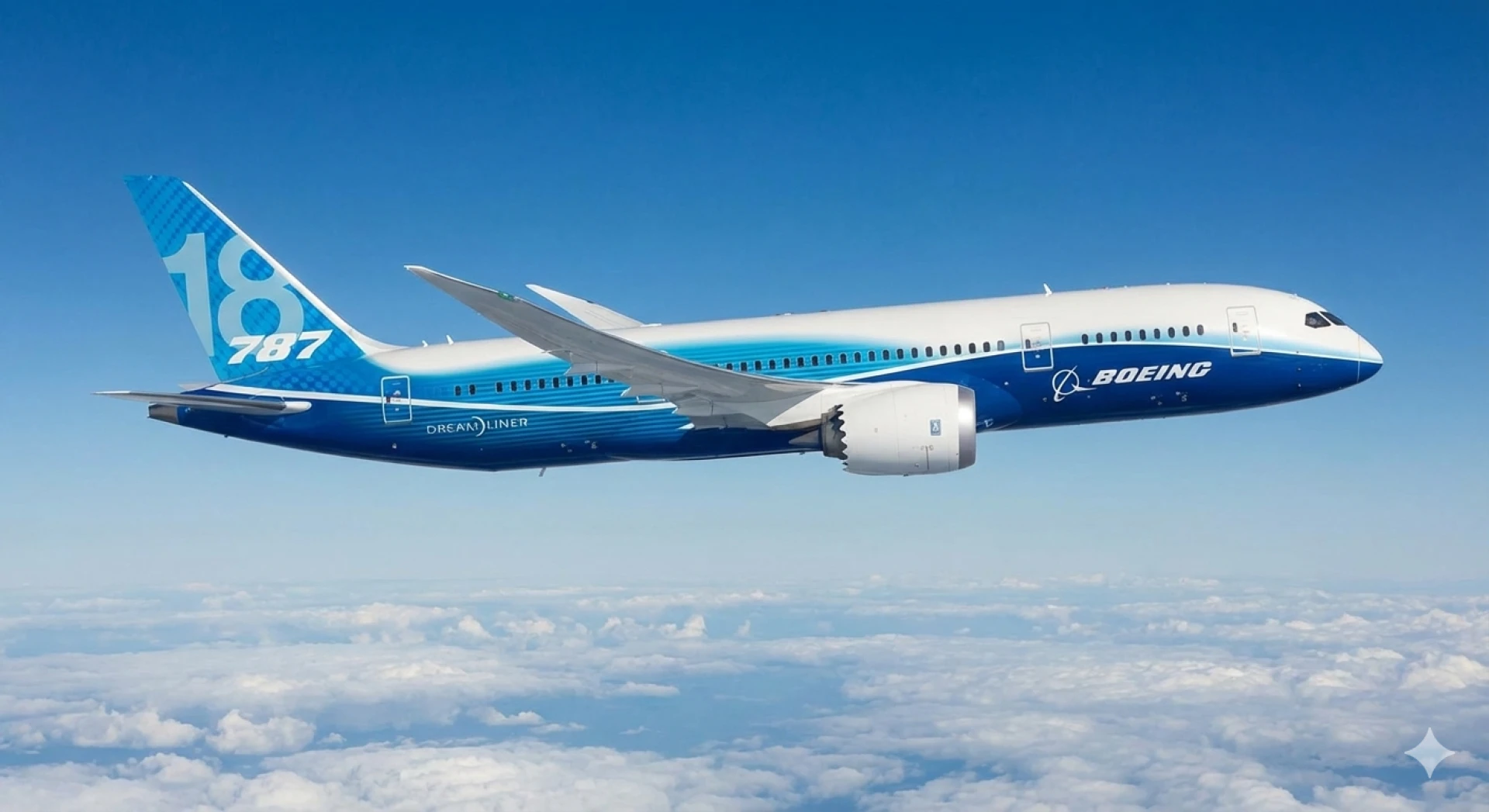
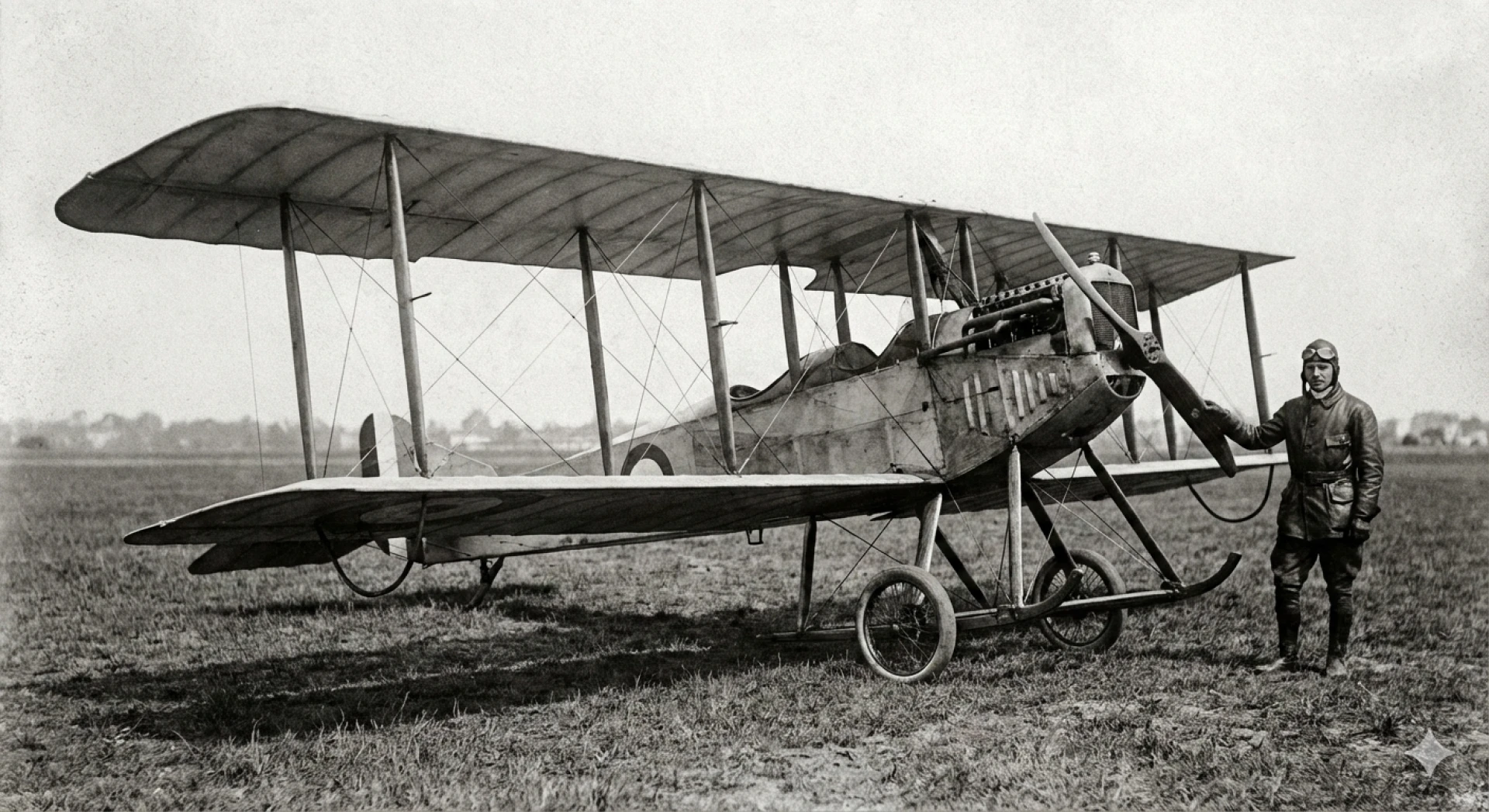
The story of aviation and aerospace is one of human ingenuity, determination, and unrelenting curiosity. What began as two brothers testing a flimsy aircraft in the early 20th century has grown into a global industry that connects the world, pushes the boundaries of exploration, and continually transforms how we travel and discover new frontiers. From the first powered flight to the development of modern aircraft and space systems, this journey reflects the ongoing human desire to rise above limitations and shape the future of mobility.
Origins of Aviation and Its Expansion
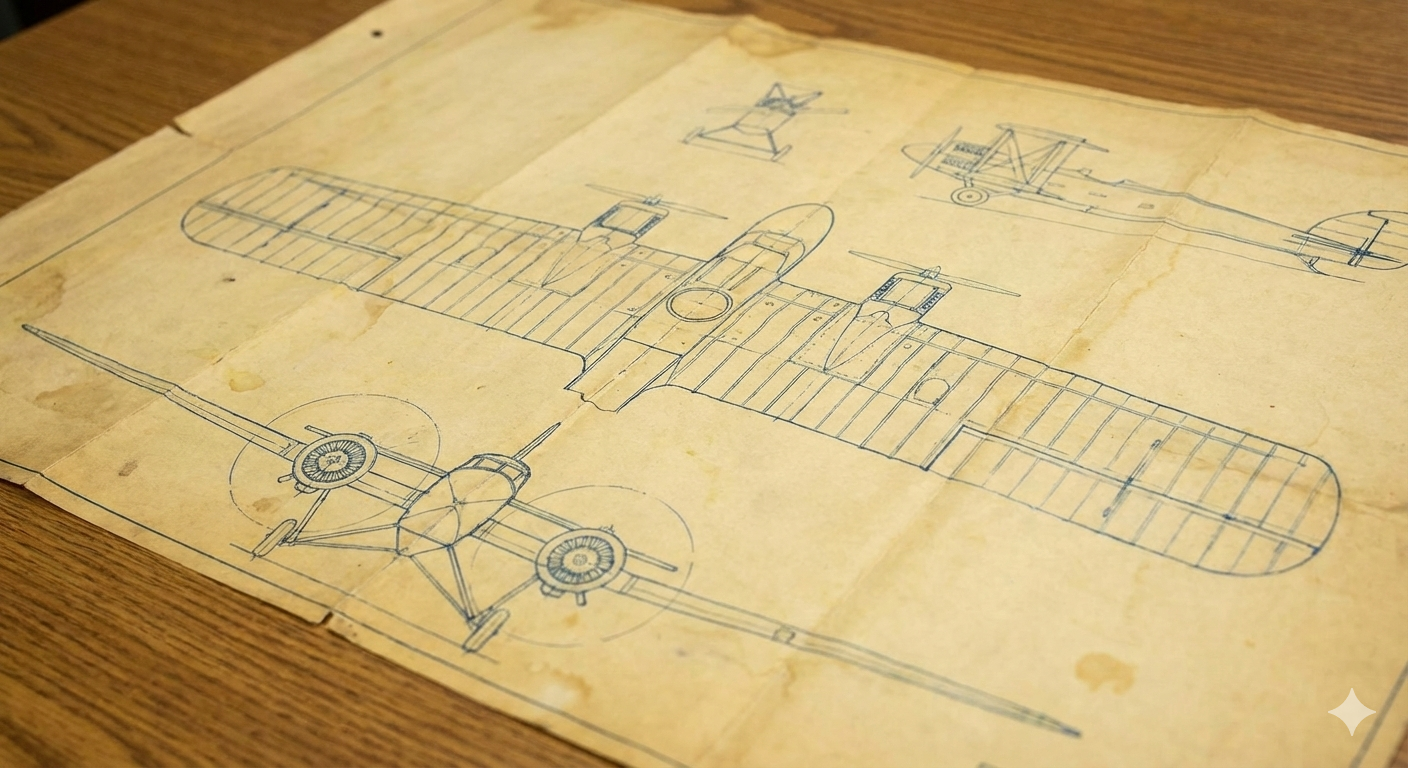
The history of aviation dates back to the Wright brothers’ pioneering achievements in 1903 when they successfully demonstrated the first piloted, sustained, and controlled powered flight. Their breakthrough design laid the foundation for an entire industry centered on heavier-than-air machines and inspired engineers and inventors across the world to explore flight further.
From these humble beginnings, aviation developed rapidly throughout the early twentieth century, driven by both civilian and military needs. Air travel became increasingly sophisticated with the introduction of larger, faster, and more reliable aircraft. The transition from wood and fabric to metal structures, improvements in propulsion technologies, and the standardization of safety protocols all contributed to making air travel viable for commercial use.
As commercial aviation expanded, so did the ecosystem of supporting industries. Airports, air traffic control systems, aviation regulations, and global partnerships emerged to support a rapidly growing landscape of airlines and aircraft manufacturers. Today, aviation connects billions of people each year and supports vital economic activities around the world.
The Aerospace Industry and Its Modern Role
While aviation refers broadly to the operation and maintenance of aircraft within Earth’s atmosphere, aerospace encompasses a wider field that includes aircraft, spacecraft, and the technologies that support both aviation and space exploration. According to Britannica, the aerospace industry develops and manufactures a wide range of vehicles from aircraft and helicopters to space launch vehicles and satellites, as well as the subsystems essential for their operation.
Technological progress remains at the core of aerospace competitiveness. Innovations in materials science, propulsion, avionics, and systems integration continually enhance performance and safety while reducing weight and environmental impact. Engineers focus on creating more efficient engines, advanced navigation systems, and structures that can withstand the demands of flight at high altitudes or beyond.
The aerospace sector’s influence extends far beyond transportation. It plays a critical role in communication via satellites, national security through defense systems, and scientific research through space probes and exploration missions. As the boundaries of exploration continue to expand, aerospace remains a field where innovation and exploration are inextricably linked.
Key Components of Modern Aviation Systems
Behind every aircraft that takes off there lies a complex network of systems, parts, and components that must work together seamlessly. The reliability of these parts is critical to ensuring safety and performance in flight operations. Various categories of aircraft components support everything from structural integrity to propulsion, control, and onboard systems.
One useful resource to understand the variety of components used in aviation is the collection of categorized parts available on the Rapid Purchasing platform. For example, readers can explore the breadth of items available in the civil aviation sector through the comprehensive list of civil aircraft parts and components, which highlights how diverse and specialized aviation hardware can be.
Another essential aspect of aircraft maintenance and operation is the range of aviation hardware that supports structural and functional requirements. These hardware components, available for viewing in a dedicated catalog, include fasteners, assemblies, and critical support parts that contribute to seamless airframe performance and system reliability.
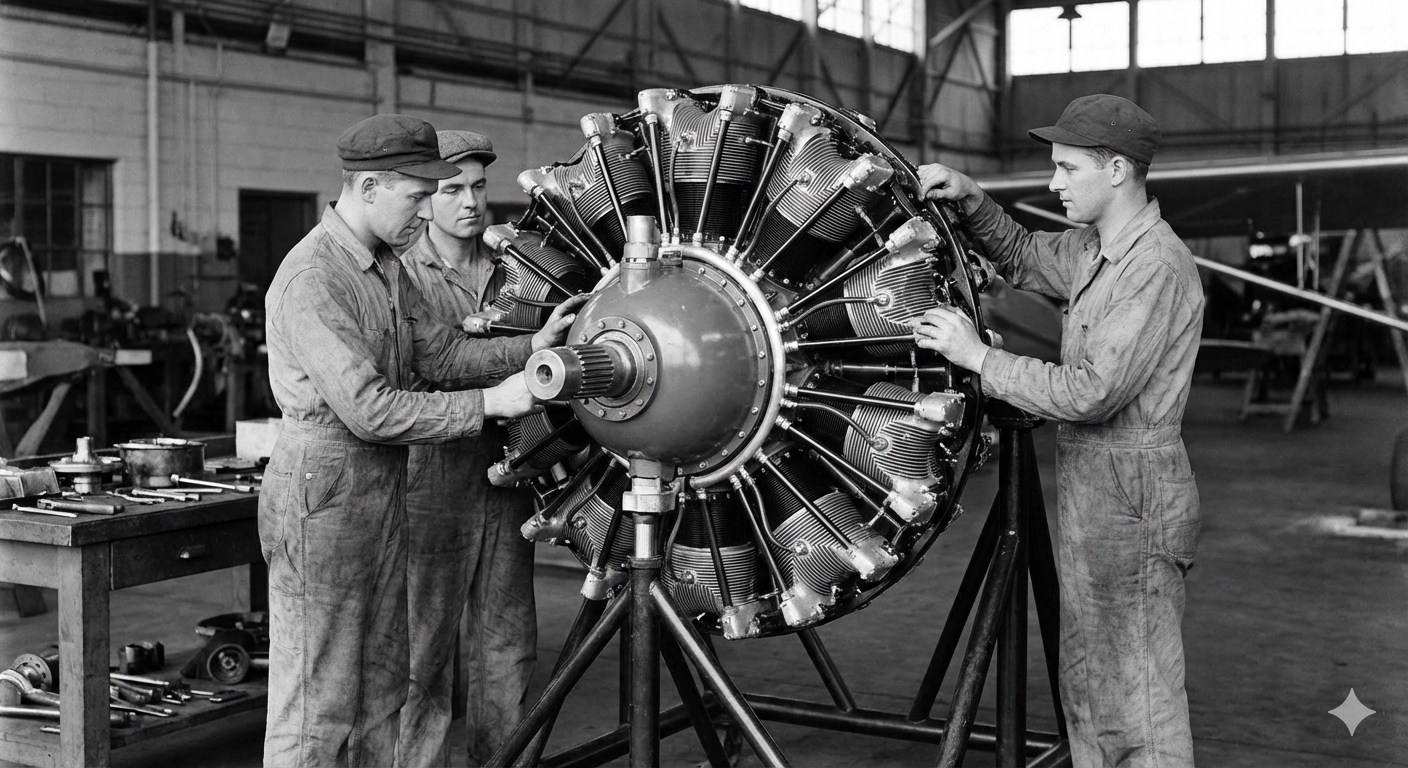
In addition, aviation professionals often rely on catalogs like the aircraft components collection to identify specific parts and hardware that are required for inspections, repairs, and upgrades. Such compilations enable technicians to understand the detailed makeup of modern aircraft systems and how individual components contribute to overall performance.
These resource categories also shed light on a broader reality of modern aviation infrastructure: complex supply chains and meticulous quality standards are required to ensure that each component meets rigorous safety requirements. Parts and hardware must often comply with international quality standards before they can be certified for use, underscoring the precision that underpins every flight.
Safety, Standards, and Quality in Flight
Safety in aviation and aerospace is paramount. Organizations and professionals within the industry adhere to strict quality control standards to ensure parts and systems perform consistently and reliably. International standards like AS9100, which outline quality management requirements for aerospace manufacturers and suppliers, are widely adopted across the industry to maintain high levels of safety and consistent performance.
These standards govern processes from design and development through manufacturing and post-production testing. They help minimize risk, reduce variability, and ensure that components and systems are traceable and dependable over the long term. Whether dealing with flight control systems, landing gear assemblies, or avionics technology, adherence to quality standards remains foundational to safe aviation operations.
Innovation and Sustainability in Aerospace
Innovation within the aerospace sector is not limited to performance and efficiency. Environmental considerations have become a central focus for engineering teams as they pursue sustainable solutions to reduce emissions and fuel consumption. Major aerospace manufacturers are investing in research into alternative fuels, enhanced aerodynamics, and electric propulsion technologies.
For example, collaborations between aerospace leaders and academic institutions are exploring sustainable aviation fuel (SAF) to support the industry’s long-term goals of reducing carbon emissions and lessening reliance on traditional fossil fuels. These developments aim to balance the environmental impact of flight with the growing global demand for mobility.
Beyond fuel innovations, the industry is also progressing toward electrified propulsion systems for aircraft. Hybrid and all-electric aircraft concepts, including electric vertical takeoff and landing (eVTOL) vehicles, promise to transform urban and regional mobility while contributing to lower emissions and quieter operations.
The Future of Flight and Exploration
The evolution of aviation and aerospace does not stop at the edge of Earth’s atmosphere. Space exploration continues to capture the imagination of scientists, engineers, and the public alike. Partnerships between governmental space agencies and private companies are making space more accessible, fueling missions that extend humanity’s reach beyond our planet.
The boundary between aviation and aerospace continues to blur as technologies developed for one domain inspire advances in the other. High-altitude aircraft, reusable launch vehicles, and next-generation spacecraft all draw upon knowledge gained from decades of aviation experience.
At its core, aviation and aerospace remain industries defined by innovation, collaboration, and a commitment to progress. Each flight, whether it stays within the atmosphere or ventures into space, carries with it a legacy of exploration and the promise of future discovery.










Sign in to leave a comment.