
Every educator knows the feeling: you’ve got a room full of students, a seemingly endless list of initiatives, and a staff that’s eager to make an impact. But despite all the effort, something feels like it's missing. New programs come and go, and despite all the good intentions, real, lasting change feels out of reach.
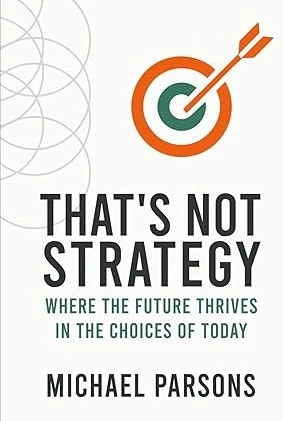
Michael Parsons, an educator with over two decades of experience, addresses this challenge head-on in his book That’s Not Strategy. He argues that the issue is not the lack of effort but the lack of a clear, strategic plan. Schools are busy, but being busy doesn’t always translate to meaningful progress. Strategy, according to Parsons, is the secret ingredient to turning good intentions into lasting impact.
What is Real Strategy?
The first step in transforming your school is understanding what strategy really is. According to Parsons, strategy isn’t just a collection of initiatives or buzzwords—it’s a theory of how to succeed, based on values, tested by evidence, and focused on long-term goals.
So, what does real strategy look like? Parsons offers a practical model, The Bullseye Strategy Model, which is designed to help schools focus their energy on what matters most. The model begins with five fundamental questions:
- Who are we really here for? – Understanding your school’s identity and core purpose.
- Where are we now? – Assessing the current state of the school, identifying strengths and weaknesses.
- Why does this work matter? – Determining why the work you're doing is important and how it connects to your school’s values.
- How will we know if it’s working? – Establishing clear metrics to measure success and track progress.
- What will we commit to doing on purpose? – Defining the deliberate actions the school will take to make real change happen.
These questions aren’t just theoretical—they form the backbone of a practical strategy that can be implemented to create clarity, focus, and measurable results.
Strategy: The Bridge Between Intention and Impact
One of the biggest challenges schools face is the gap between intention and impact. Educators have a deep desire to make a difference in students’ lives, but often they find themselves caught in the endless cycle of new initiatives that fail to achieve long-term results. Without a clear strategy, it’s easy to fall into the trap of doing more without doing better.
The Bullseye Strategy Model provides a framework for aligning actions with clear, measurable goals. By defining what truly matters, schools can avoid getting lost in the noise of constant changes. It’s about doing fewer things, but doing them well.
Parsons emphasizes that real strategy is not about adding more to an already overloaded system. It’s about narrowing focus and saying “no” to initiatives that don’t align with the core mission. Once the strategic direction is clear, everything—from curriculum design to professional development to resource allocation—can be aligned to support that mission.
Turning Strategy Into Action
The next step is to translate strategy into actionable goals. Having a vision is important, but it’s only the beginning. The true test of strategy lies in its execution. Once a school has clarity about what it values and where it’s going, the focus must shift to what actions will drive the school forward.
This is where Parsons’ model truly shines. The framework doesn’t just provide a broad overview—it offers specific, actionable steps for leaders and educators to follow. From assessing progress through clear metrics to making sure that everyone in the school understands their role in the strategy, Parsons guides school leaders through the practical steps required to put strategy into action.
Building a Culture of Focus
Ultimately, the goal is to create a school culture where everyone, from administrators to teachers to students, is aligned with a common purpose. When everyone in the school understands the strategic goals and knows how their work fits into the bigger picture, it creates a sense of shared direction and accountability.
Schools that focus on strategy can shift from a culture of busyness to one of purpose. With clear goals, regular reflections, and data-informed decision-making, every initiative becomes an opportunity to move closer to the school’s long-term vision.
Conclusion: Start Building Your Strategy Today
The path to lasting educational change begins with one fundamental decision: to stop being busy and start being strategic. By embracing Parsons' Bullseye Strategy Model, schools can transform from a place of drift to a place of direction.
If you're ready to build a school that’s grounded in clarity, focus, and purposeful action, start by asking the five questions that form the foundation of real strategy. The future of your students depends on it.






























Sign in to leave a comment.