

A bright, healthy-looking smile can have a positive impact on both appearance and confidence. Over time, however, teeth can become stained or discoloured due to coffee, tea, red wine, tobacco, certain foods, aging, and everyday habits. While there are numerous whitening products available, professional laser teeth whitening is one option that can provide noticeable results under the supervision of a dental professional.
Understanding how the treatment works, what to expect, and how to care for your teeth afterward can help you make an informed decision about whether laser teeth whitening is suitable for you.
What Is Laser Teeth Whitening?
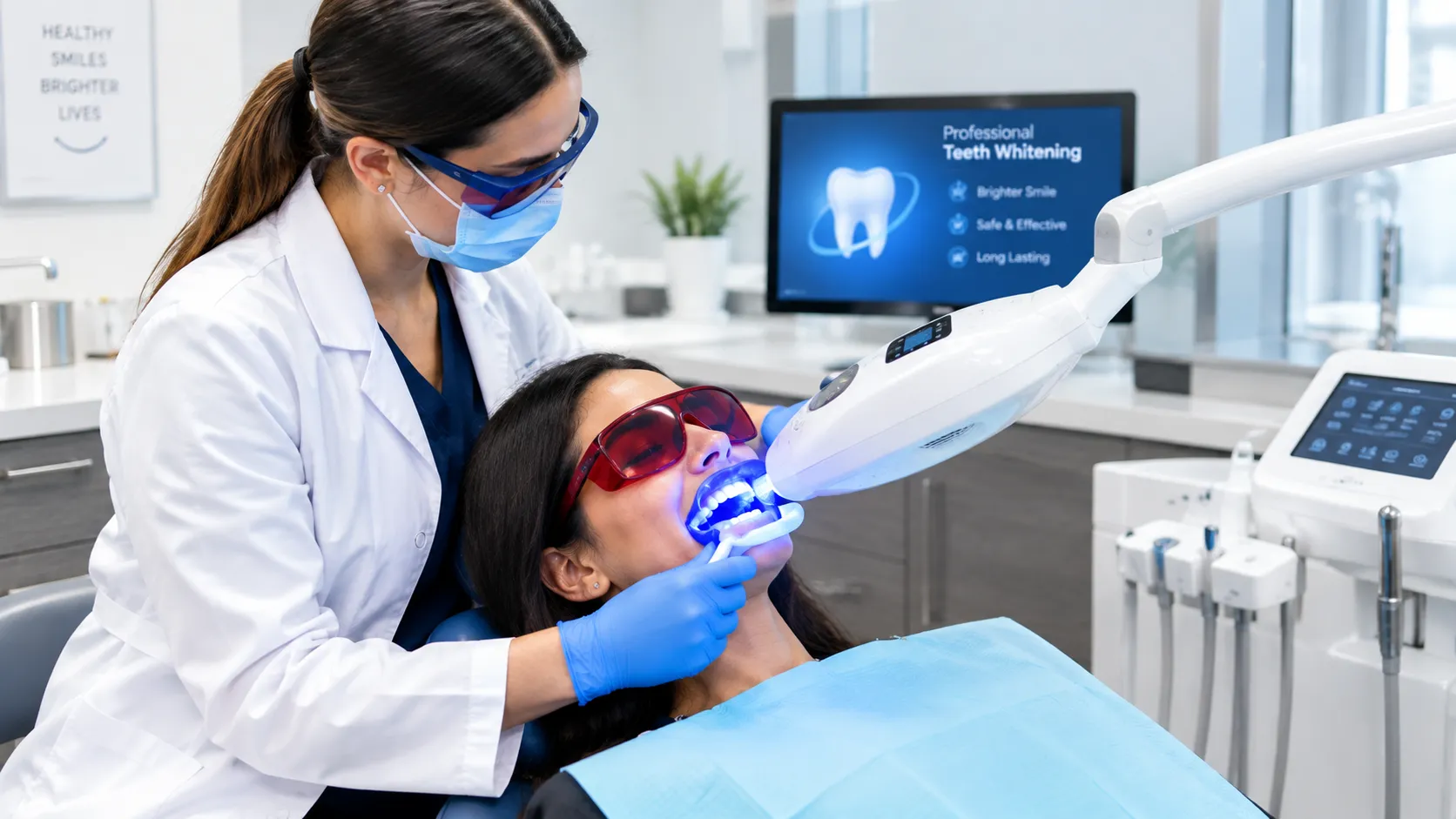
Dental laser whitening of teeths is a professional cosmetic dental procedure designed to lighten the colour of natural teeth and reduce the appearance of stains and discoloration. During treatment, a dentist applies a specially formulated whitening gel to the teeth. A specialized dental light or laser may then be used to activate or enhance the whitening process, depending on the system used by the dental practice.
It is important to understand that professional whitening is not intended to change the natural structure of your teeth. Instead, whitening agents work on stain molecules within the tooth to help make the teeth appear lighter.
Step 1: Dental Assessment
The process typically begins with an examination of your teeth and gums. Your dentist will assess your oral health and discuss your whitening goals.
This step is important because whitening may not be appropriate for everyone. Existing cavities, gum problems, cracked teeth, or significant tooth sensitivity may need to be addressed before cosmetic whitening. Your dentist can also determine whether the discoloration is likely to respond well to whitening.
During the consultation, you may also discuss the shade you would like to achieve and what results can realistically be expected.
Step 2: Preparing the Teeth
Before whitening begins, the dental professional may clean the teeth to remove plaque and surface deposits. The gums and surrounding soft tissues are then carefully protected.
Protecting the gums is an important part of professional whitening because whitening agents can irritate soft tissues if they come into direct contact with them. Proper preparation helps make the procedure more comfortable and controlled.
Step 3: Applying the Whitening Gel
Once the teeth have been prepared, the dentist applies a professional whitening gel to the visible tooth surfaces. The gel generally contains a peroxide-based whitening ingredient that helps break down compounds responsible for discoloration.
The exact concentration and formulation can vary depending on the whitening system being used. For this reason, treatment should always be performed according to the manufacturer's instructions and under appropriate dental supervision.
Step 4: Activating the Whitening Treatment
In laser or light-assisted whitening procedures, a specialized light or laser device is directed toward the teeth after the whitening gel has been applied.
The purpose of this step is to activate or enhance the whitening system. Treatment time can vary depending on the technology used, the condition of the teeth, and the desired result.
A dental professional may apply the gel and activate it in several stages rather than completing the process in a single application. This allows the treatment to be carefully monitored throughout the appointment.
Step 5: Removing the Gel and Checking the Results
After the whitening process is complete, the gel is carefully removed from the teeth. The dentist may then assess the results and compare the tooth shade with the starting shade.
Results can vary from person to person. Factors such as the type and severity of staining, natural tooth colour, age, diet, and oral health can influence the final appearance.
It is also worth remembering that dental restorations such as crowns, veneers, and tooth-coloured fillings generally do not whiten in the same way as natural teeth.
Is Laser Teeth Whitening Painful?
Laser teeth whitening is generally considered a well-tolerated cosmetic dental treatment, although some people may experience temporary tooth sensitivity during or after whitening.
Sensitivity can vary depending on the individual and the whitening system used. If you already have sensitive teeth, it is important to tell your dentist before treatment. Your dental professional can recommend appropriate measures to help minimize discomfort.
How Long Do the Results Last?
Laser teeth whitening does not permanently prevent teeth from becoming stained again. The longevity of the results depends largely on your oral hygiene and lifestyle habits.
Limiting staining foods and drinks, avoiding tobacco, brushing and flossing regularly, and attending routine dental appointments can help maintain a brighter smile. Your dentist may also recommend appropriate maintenance treatments when necessary.
Is Professional Laser Teeth Whitening Right for You?
Professional laser teeth whitening can be an option for adults who want to reduce certain types of tooth discoloration and achieve a brighter-looking smile. However, the best approach depends on your individual oral health, the cause of the discoloration, and the condition of your teeth and gums.
If you are considering laser teeth whitening, speaking with a qualified dental professional is an important first step. A proper examination can help determine whether whitening is appropriate and what type of results you can reasonably expect.
Final Thoughts
The laser dental whitening of teeths process involves several carefully controlled stages, from an initial dental assessment and tooth preparation to the application and activation of professional whitening gel. When performed appropriately, it can be an effective way to improve the appearance of stained or discoloured natural teeth.
Rather than choosing a whitening treatment based solely on how quickly it promises results, consider your oral health, the cause of your discoloration, and the guidance of a dental professional. A personalized approach can help you achieve a brighter smile while keeping your teeth and gums properly cared for.




















Sign in to leave a comment.