
Asbestos exposure has been linked to severe health conditions, including asbestosis, mesothelioma, and lung cancer. Unfortunately, many individuals who suffer from these diseases may pass away before they have the opportunity to seek justice. However, the legal process for asbestos claims doesn’t end with death. If you’re dealing with the loss of a loved one due to asbestos exposure, understanding how to pursue asbestosis compensation can help you navigate the legal system effectively. Here’s a detailed guide on what to expect and how to prepare for filing asbestos claims after death.
Understanding Asbestos Claims After Death
When a person dies as a result of asbestos-related diseases like asbestosis, their surviving family members or estate may be entitled to pursue compensation. Asbestos claims after death can be complex and may involve various legal avenues to achieve justice and obtain compensation. The key legal options for families are personal injury lawsuits, wrongful death claims, and claims through asbestos bankruptcy trusts.
Legal Avenues for Asbestos Compensation After Death
1. Wrongful Death Lawsuit
A wrongful death lawsuit is a legal action brought by the surviving family members or the estate of a deceased person against those responsible for the individual’s asbestos exposure. This claim seeks to hold the responsible parties accountable for their negligence and to recover damages for the loss of a loved one.
Key Steps in a Wrongful Death Lawsuit:
Hire a Specialized Attorney: Choose an attorney experienced in handling asbestos claims and wrongful death cases. They will guide you through the legal process and help gather evidence.File the Lawsuit: Your attorney will file a wrongful death lawsuit in the appropriate court. The lawsuit must be filed within a specific time frame, known as the statute of limitations, which varies by state.Gather Evidence: Your attorney will collect evidence of asbestos exposure, the deceased’s work history, and medical records to prove that the exposure led to asbestosis or another asbestos-related disease.Negotiate a Settlement or Go to Trial: The responsible parties may offer a settlement to avoid going to trial. If a fair settlement cannot be reached, your case may proceed to court.2. Asbestos Bankruptcy Trust Claims
Many companies responsible for asbestos exposure have filed for bankruptcy due to the high number of claims against them. These bankrupt companies have established trust funds to compensate victims and their families.
Key Steps for Asbestos Bankruptcy Trust Claims:
Identify Relevant Trusts: Your attorney will identify which bankruptcy trusts are relevant to your case based on the companies involved in the asbestos exposure.File a Claim with the Trust: Submit a claim to the appropriate bankruptcy trust, including evidence of exposure and medical documentation.Receive Compensation: If the claim is approved, you will receive compensation from the trust fund. Each trust has its own claim process and criteria for approval.3. Personal Injury Lawsuit
If the deceased had already initiated a personal injury lawsuit before passing away, the case can often continue through a legal representative. This approach seeks to recover compensation for the injuries suffered prior to death.
Key Steps for Continuing a Personal Injury Lawsuit:
Continue the Lawsuit: If the lawsuit is ongoing, your attorney will continue the case on behalf of the estate.Seek Damages for Suffering: You will seek damages for pain and suffering, medical expenses, lost wages, and other losses incurred by the deceased before their death.How to Prepare for Asbestos Claims After Death
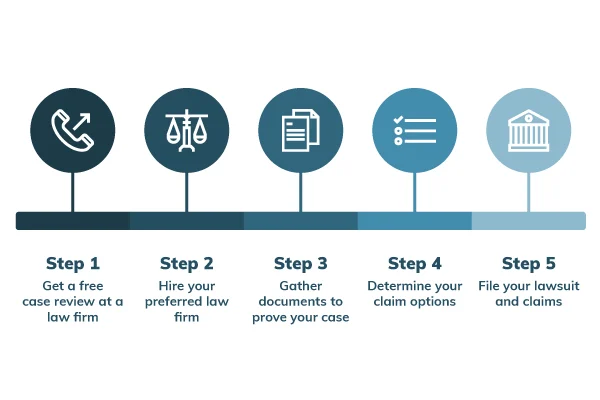
Preparing for asbestos claims after death involves several important steps. Here’s how you can ensure you are ready to pursue asbestosis compensation effectively.
1. Gather Documentation
To build a strong case, you will need to gather various documents, including:
Death Certificate: Proof of the deceased’s death.Medical Records: Documentation of the deceased’s diagnosis and treatment for asbestosis or related diseases.Exposure Evidence: Evidence of the deceased’s asbestos exposure, such as work history, employment records, or testimony from coworkers.2. Consult a Qualified Attorney
Seek a lawyer who specializes in asbestos claims and wrongful death cases. A knowledgeable attorney will:
Evaluate Your Case: Assess the viability of your claim and explain your legal options.Handle Legal Procedures: Manage the legal processes involved in filing a lawsuit or a bankruptcy trust claim.Advocate for Your Rights: Work to ensure you receive the compensation you deserve for your loss.3. Understand the Statute of Limitations
Each state has a statute of limitations for filing asbestos claims. This is a deadline by which you must file your claim. Be aware of the time limits applicable in your jurisdiction to ensure you do not miss your opportunity to seek compensation.
Conclusion
Navigating the legal process for asbestos claims after death can be challenging, but understanding your options and preparing effectively can help you achieve justice for your loved one. Whether through a wrongful death lawsuit, asbestos bankruptcy trust claims, or continuing a personal injury lawsuit, there are legal avenues available to seek asbestosis compensation.
By gathering the necessary documentation, consulting with a qualified attorney, and being mindful of the statute of limitations, you can move forward with your claim and work towards obtaining the compensation you deserve. If you’re dealing with the aftermath of a loved one’s asbestos-related illness, taking these steps can help you honor their memory and seek justice for their suffering.






























Sign in to leave a comment.