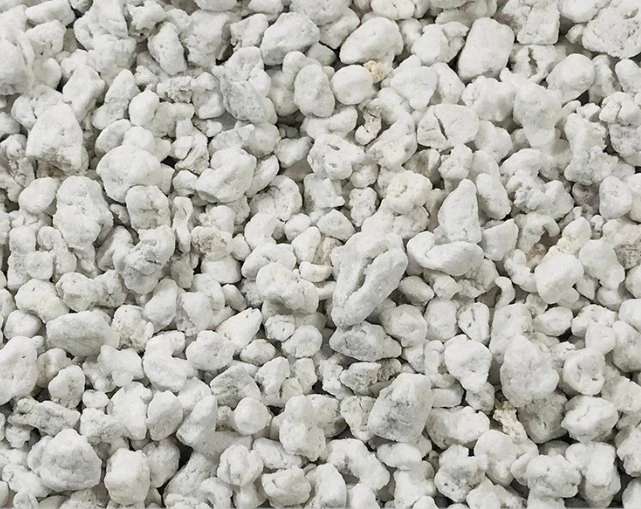

If you’ve ever searched for a versatile material that can improve soil structure, boost plant health, enhance insulation in buildings and even support industrial filtration, you’ve likely come across perlite. This naturally occurring volcanic mineral becomes extremely valuable when processed, and today it plays an essential role in many industries. In this article, we’ll explore in depth the uses of perlite, why professionals trust it and how resources from Perlite.com help people and industries get the most from this unique material.
What Makes Perlite Different?
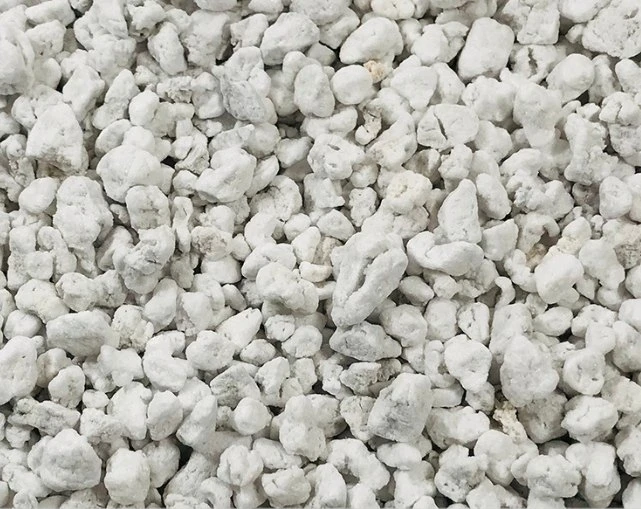
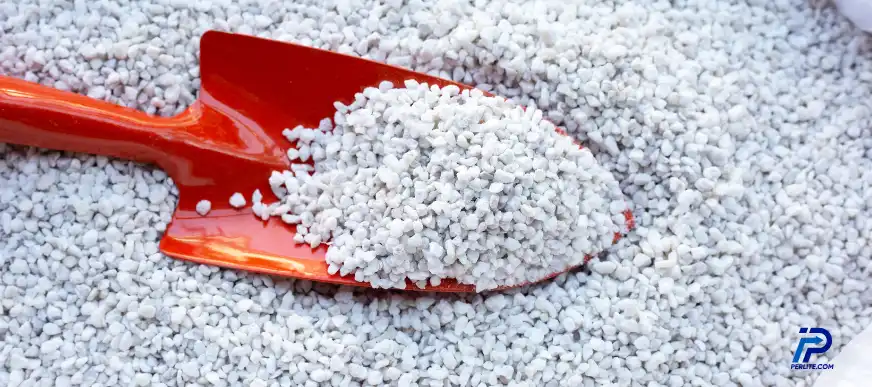
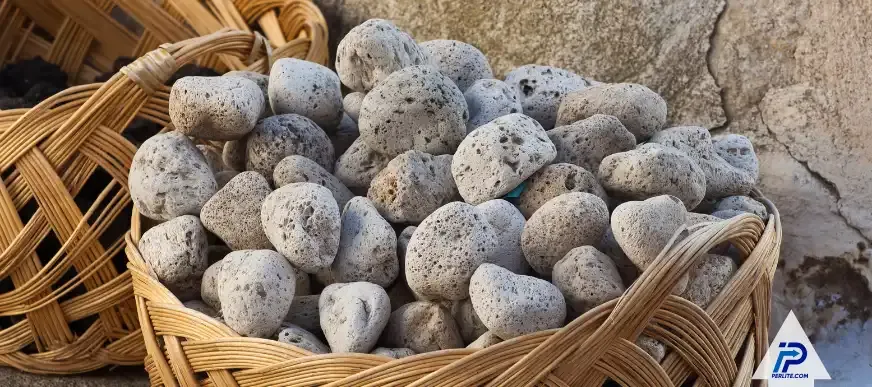
Perlite begins as volcanic glass formed from rapidly cooled lava. When heated to high temperatures, the trapped moisture inside it vaporizes, causing the mineral to expand—sometimes up to 20 times its original volume. This expansion transforms dense rock into a lightweight, porous, white granule packed with tiny air pockets.
This structure gives perlite three major advantages:
Very lightweight and easy to handle.
Porous, allowing air and water to move freely.
Chemically stable and pH-neutral, making it safe for plants and industrial applications.
These qualities are the reason perlite is found everywhere—from potting mixes to roofing materials.
Primary Uses of Perlite in Gardening & Horticulture
For many people, the first exposure to perlite happens in gardening, where those familiar white granules are mixed into potting soil. But their benefits go far beyond appearance.
1. Improves Drainage and Aeration
Dense soils retain too much water and restrict oxygen flow to plant roots. By adding perlite, you introduce air spaces, stop compaction and create a light, well-drained growing medium. This is especially important for container gardening, houseplants and raised beds.
2. Ideal for Seed Starting and Rooting Cuttings
Because perlite is sterile and free of pathogens, it creates a disease-free environment for propagation. It holds enough moisture to help roots form while preventing rot from excess wetness. Many nurseries use pure perlite or perlite-based blends for starting delicate seedlings.
3. Beneficial for Clay or Heavy Garden Soil
Soils rich in clay are often dense and difficult for roots to penetrate. Mixing in perlite helps break up compacted soil, allowing water and nutrients to reach plant roots more effectively.
4. Popular in Hydroponic and Soilless Systems
Perlite does not break down over time and remains chemically neutral, making it ideal for hydroponics. Plants receive physical support without chemical interference.
5. Supports Lawn and Landscape Establishment
Perlite works equally well outdoors. When worked into topsoil before planting grass or ornamentals, it ensures deeper root growth and reduces soil crusting—essential for long-term lawn health.
Construction & Industrial Uses of Perlite
Outside of horticulture, the uses of perlite extend to large-scale commercial and industrial projects.
1. Lightweight Concrete and Building Materials
Expanded perlite can be blended into concrete, plaster and masonry products to reduce weight without sacrificing strength. This is important for structures where load reduction and insulation are priorities.
2. Insulation and Fire-Resistant Applications
The air pockets inside perlite offer excellent thermal insulation. It is also non-combustible, making it a safe choice for:
Roof and floor insulation
Chimneys and fireproofing mixes
Acoustic sound-absorbing materials
Because of its resilience at extreme temperatures, perlite is even used in cryogenic insulation systems.
3. Filtration and Liquid Processing
Industries such as beverage production rely on perlite as a filtration medium. Its porous grains trap impurities while allowing liquids to pass freely. It is used in filtration of:
Drinking water
Beer and wine
Pharmaceuticals
Industrial liquids
4. Spill Absorbents and Environmental Uses
Perlite can absorb liquids without degrading, which makes it useful for environmental cleanup, soil remediation and industrial absorbent products.
Why Professionals Trust Perlite
Perlite is valued across industries because:
It does not decompose, rot or attract pests.
It does not alter soil chemistry or contaminate liquids.
It is durable while remaining lightweight.
It is widely available and cost-effective.
These features explain why homeowners, farmers, landscapers, builders and manufacturers all rely heavily on perlite.
Choosing the Right Perlite for Your Application
Perlite comes in multiple grades to serve different purposes:
Perlite Grade Best Uses Coarse Cacti, succulents, drainage improvement and heavy soils Medium Potting mixes and general gardening Fine Seed starting and plug trays Ultra-fine Industrial filtration
Using the correct grade makes a noticeable difference. For example:
. A cactus in dense soil needs more coarse perlite.
. A young seedling needs finer perlite to avoid drying out too quickly.
Where to Learn More and Source Perlite
For growers, landscapers, builders, and industrial users searching for product guidance or supply sources, Perlite.com offers valuable information. The website provides educational resources, technical data, application recommendations and insights into the best products for different industries. Whether someone is scaling up a commercial greenhouse or designing an insulation system, the knowledge available through Perlite.com helps ensure the right type of perlite is selected for maximum performance.
Final Thoughts
From supporting strong plant roots to improving energy efficiency in buildings, the uses of perlite are far more extensive than many people realize. Its lightweight, porous nature makes it adaptable, cost-effective and easy to apply in both home and commercial settings. Whether you’re an avid gardener, a landscaping professional or a contractor seeking eco-friendly building materials, perlite is a proven and reliable solution.
If you want to explore perlite further, compare product grades or understand industrial applications, Perlite.com is an excellent starting point. A deeper understanding of this versatile mineral opens the door to smarter gardening, stronger construction and more efficient industrial processes.




























Sign in to leave a comment.