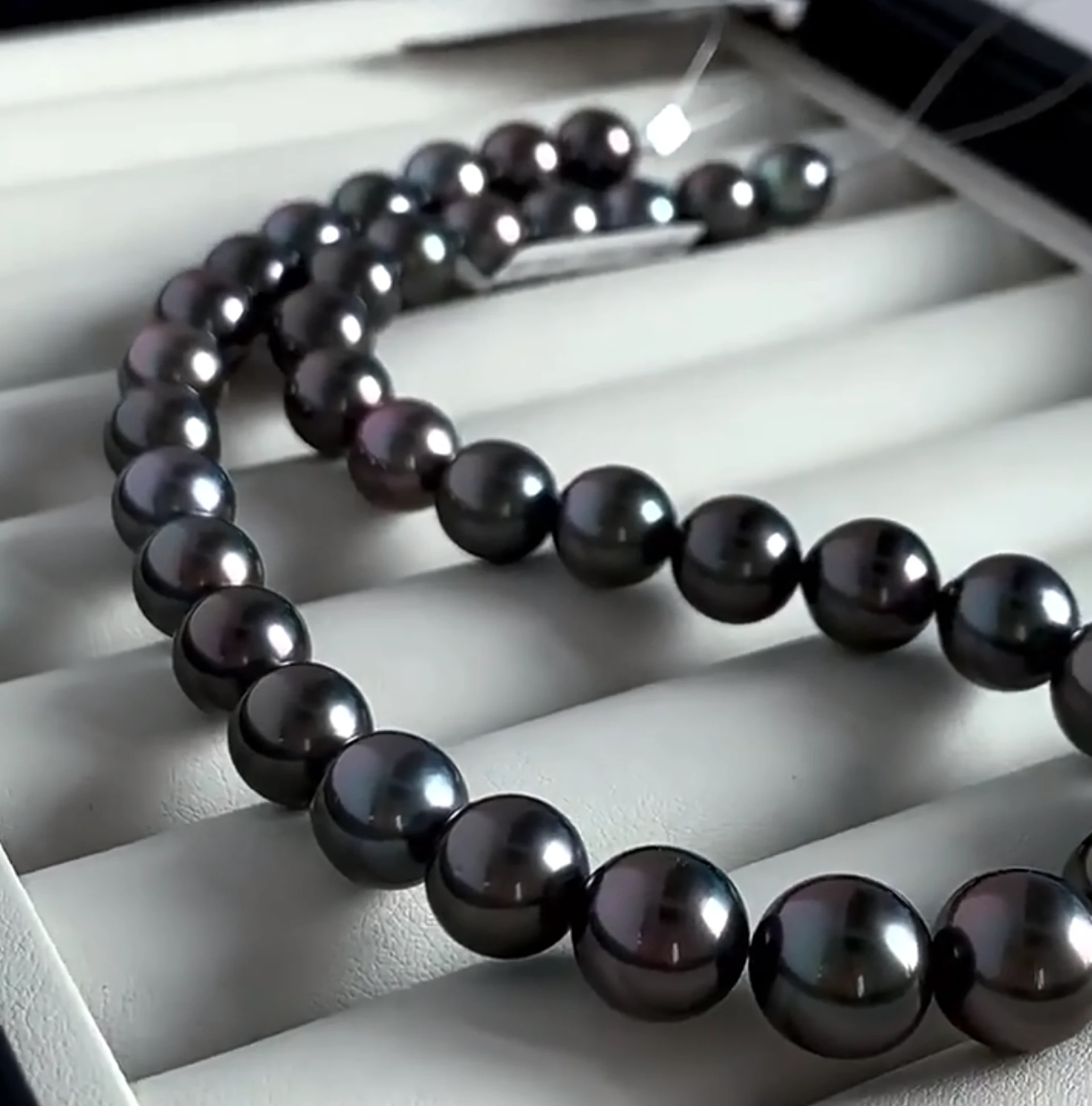
Tahitian pearls, often referred to as "black pearls," are among the most captivating and colorful gems in the world of fine jewelry. Despite their common nickname, these extraordinary pearls display a remarkable spectrum of colors that extends far beyond simple black. Cultivated from the black-lipped oyster (Pinctada margaritifera) in the pristine waters of French Polynesia, Tahitian pearls have captivated jewelry enthusiasts for generations with their unique and vibrant hues. This article explores the fascinating world of Tahitian pearl colors, from their formation to their valuation and the factors that make certain colors particularly prized.
The Science Behind Tahitian Pearl Colors
The distinctive colors of Tahitian pearls are a result of complex biological and environmental factors. Unlike white pearls that are produced by oysters with white or silver nacre, Tahitian pearls come from the black-lipped Pinctada margaritifera oyster, which secretes dark-colored nacre. This nacre contains organic pigments that create the characteristic dark body colors of Tahitian pearls.
The color of a Tahitian pearl is determined by two main components:
Body Color
The body color refers to the dominant, underlying color of the pearl. For Tahitian pearls, this typically ranges from light silver-gray to dark charcoal gray and, in rare cases, a deep, true black. Contrary to popular belief, truly jet-black Tahitian pearls are extremely rare and highly valued.
Common body colors include:
- Pale to medium dove gray
- Medium charcoal gray
- Dark charcoal gray
- Very dark gray (near-black)
- True black (rare)
Overtones
What truly sets Tahitian pearls apart is their remarkable overtones—the secondary colors that seem to float over the surface of the pearl, creating a shimmering, iridescent effect. These overtones result from the way light interacts with the crystalline structure of the nacre layers.
A single Tahitian pearl can display multiple overtones, which may shift and change depending on the viewing angle and lighting conditions. This dynamic play of color is one of the most enchanting characteristics of Tahitian pearls and contributes significantly to their value and appeal.
The Rainbow of Tahitian Pearl Colors
Tahitian pearls offer an astonishing variety of colors and overtones. Here are some of the most notable and sought-after varieties:
Peacock
Peacock is undoubtedly the most famous and coveted color variety among Tahitian pearls. As the name suggests, these pearls display colors reminiscent of peacock feathers—a mesmerizing blend of green, blue, rose, and gold overtones that swirl across the surface of the pearl.
True peacock Tahitian pearls are relatively rare, particularly those with intense, saturated colors. The most valuable peacock pearls display a dark body color with vivid, well-defined overtones that create a dramatic contrast. These exceptional gems can command prices 3-15 times higher than other Tahitian pearls of similar quality in terms of luster, shape, and surface.
Green to Blue-Green
Green overtones are among the most common in Tahitian pearls, ranging from subtle, pale mint to deep, rich emerald. Blue-green or teal overtones create a cool, oceanic effect that perfectly complements the pearl's marine origins.
The most prized green Tahitian pearl is the "green peacock," which displays a greenish-black color reminiscent of peacock feathers. These rare gems are considered among the most beautiful pearls in the world and are highly valued by collectors and connoisseurs.
Cherry/Aubergine
Cherry or aubergine Tahitian pearls display rich purple to reddish-purple overtones on a dark body color. The French term "aubergine" refers to eggplant, aptly describing the deep, saturated purple hue that characterizes these pearls. Cherry/aubergine is essentially an intensified rose overtone mixed with dark blue, creating a complex, multidimensional color.
These pearls are relatively rare and highly sought after by collectors. They typically occur over dark to very dark charcoal gray body colors, creating a dramatic, luxurious appearance that stands out even among other high-quality Tahitian pearls.
Pistachio
Pistachio Tahitian pearls display a distinctive yellowish-green or greenish-gray overtone that resembles the color of pistachio nuts. This unique color combination creates a warm, organic appearance that contrasts beautifully with the pearl's dark body color.
Pistachio is considered one of the more unusual and desirable overtones, particularly when it appears with high intensity and saturation. These pearls are especially popular for their ability to complement both warm and cool color palettes in jewelry design.
Rose
Rose overtones range from delicate, pale pink to more intense, saturated rose hues. This overtone can appear on the entire spectrum of body colors, from light dove gray to very dark charcoal gray, creating different effects depending on the underlying color.
Rose overtones add warmth and femininity to Tahitian pearls, making them particularly appealing for traditional pearl jewelry designs while still maintaining the distinctive character of Tahitian pearls.
Silver and Steel
Silver overtones create a cool, metallic sheen on the surface of Tahitian pearls. This overtone is particularly striking on lighter body colors, where it creates a luminous, moonlight-like glow. Steel overtones are similar but with a slightly darker, more industrial appearance.
Silver and steel overtones are valued for their clean, contemporary look that works well in modern jewelry designs. They're particularly effective at highlighting the pearl's luster and reflective qualities.
Champagne
Champagne Tahitian pearls display warm, golden-yellow overtones that resemble the color of the sparkling wine they're named after. This overtone typically appears on lighter gray body colors, creating a subtle, sophisticated effect.
The warm glow of champagne overtones makes these pearls particularly flattering against warm skin tones and complements yellow or rose gold settings beautifully.
Lavender
Lavender overtones create a soft, bluish-purple hue that floats over the pearl's surface. This delicate color is particularly appealing on medium to dark gray body colors, where it creates a subtle yet distinctive appearance.
Lavender Tahitian pearls offer a unique alternative to more common overtones, making them popular among collectors seeking something different yet still elegant and wearable.
Multi-Color
Some of the most spectacular Tahitian pearls display multiple overtones that shift and change depending on the viewing angle and lighting conditions. These "multi-color" pearls might show flashes of green, rose, gold, and blue all on the same pearl, creating a dynamic, ever-changing appearance.
Multi-color Tahitian pearls are highly prized for their complexity and visual interest. Each pearl becomes a miniature work of art with its own unique color palette and character.
Rarity and Value of Different Colors
The value of Tahitian pearl colors is determined by a combination of rarity, market demand, and aesthetic appeal. While professional pearl graders primarily evaluate factors like luster, roundness, surface quality, and size, color plays a significant role in the market value of Tahitian pearls.
The Most Valuable Colors
When all other quality factors are equal, certain colors command premium prices in the marketplace:
- Peacock: The most valuable color variety, particularly those with intense, well-defined green, blue, and rose overtones on a dark body color. True peacock Tahitian pearls can cost 3-15 times more than other high-quality Tahitian pearls.
- Cherry/Aubergine: These rare purple-black pearls are highly sought after by collectors and command premium prices, especially when the color is intense and evenly distributed.
- Pistachio: The distinctive yellowish-green overtone is relatively uncommon and highly desirable, particularly when it appears with high intensity.
- True Black: Contrary to their nickname, truly jet-black Tahitian pearls with no visible overtones are extremely rare and valuable. Their deep, mysterious appearance makes them particularly desirable for certain jewelry designs.
Commercial Color Classifications
In the pearl industry, specific commercial names are used to describe different color combinations:
- Cherry/Eggplant: Purple-black
- Champagne: Yellowish-gray
- Pistachio: Greenish-gray
- Lavender: Bluish-black
- Tahitian Gold: Goldish-black
- Pigeon Gray: Lilac-gray
- Silver: Gray
- Moon Gray: Pale-gray
- Gray Orient: Indicates an iridescent (Aurora) surface effect
These classifications help jewelers and consumers understand and communicate about the complex color characteristics of Tahitian pearls.
Factors Affecting Color Perception
The perception of color in Tahitian pearls can be influenced by several factors:
Lighting Conditions
The appearance of Tahitian pearl colors can change dramatically under different lighting conditions. Natural daylight typically reveals the full spectrum of colors and overtones, while artificial lighting may emphasize or diminish certain hues. Fluorescent lighting often flattens the appearance of overtones, while incandescent lighting tends to enhance warm tones like gold and rose.
Setting and Metal Choice
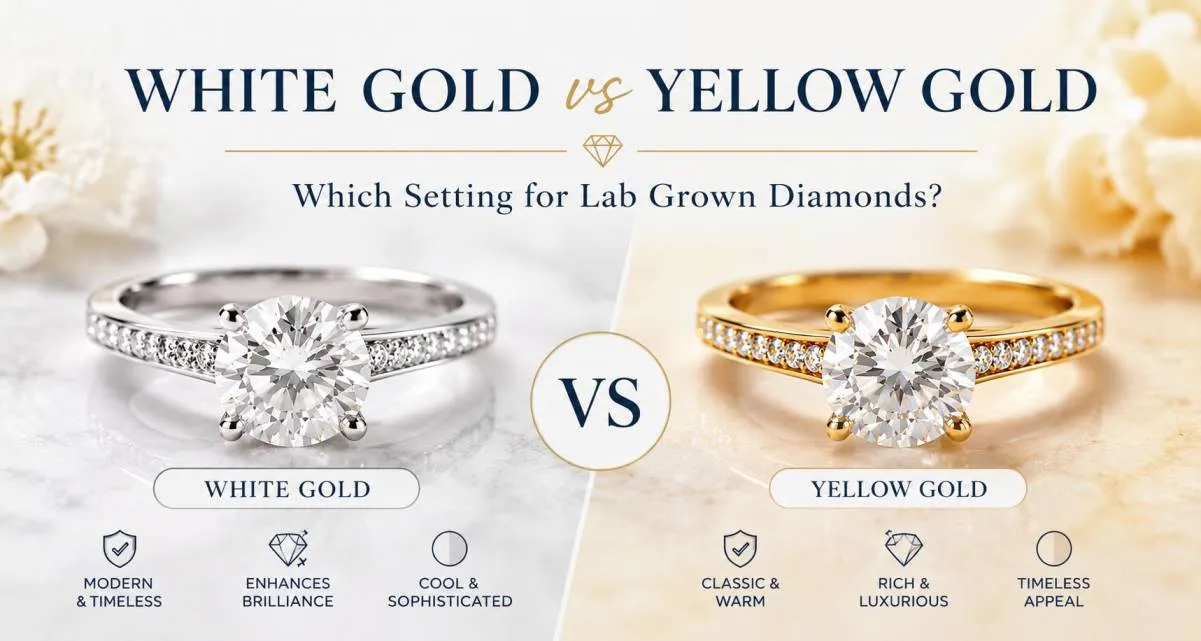
The metal used in jewelry settings can significantly impact how we perceive pearl colors. Yellow gold tends to enhance warm overtones like gold, champagne, and rose, while white gold or platinum highlights cooler tones like silver, blue, and green. The color of gemstones used alongside the pearls can also influence color perception through contrast or complementary effects.
Size and Shape
Interestingly, the size and shape of a pearl can affect how its color is perceived. Larger pearls typically display more pronounced and complex overtones due to the greater surface area for light interaction. Similarly, baroque (irregularly shaped) pearls often exhibit more intense and varied overtones than perfectly round pearls because of the uneven nacre deposition that creates areas of thicker nacre where colors can be more concentrated.
The Aurora Effect and Special Color Phenomena
Some Tahitian pearls display special optical effects that enhance their color appeal:
The Aurora Effect (Orient)
The aurora effect, also known as "orient," refers to the rainbow-like iridescence that seems to float over the surface of high-quality pearls. This phenomenon is particularly pronounced in Tahitian pearls with thick nacre and excellent luster. The effect resembles the shifting colors of the aurora borealis (northern lights), hence the name.
The Pearl Science Laboratory (PSL) in Japan has a special classification called "Aurora Lagoon" for the highest quality peacock green Tahitian pearls. This designation is reserved for pearls with exceptional green pigmentation that creates an effect reminiscent of a tropical lagoon.
Color Shifting
Some Tahitian pearls exhibit a fascinating color-shifting effect, appearing to change color depending on the viewing angle or lighting conditions. This chameleon-like quality adds another dimension to their appeal and makes them particularly interesting for jewelry that moves with the wearer.
Cultivating Specific Colors
While pearl farmers cannot completely control the colors their oysters will produce, they can influence the outcome through selective breeding and cultivation techniques:
Selective Breeding
Pearl farmers may selectively breed oysters that have produced pearls with desirable colors in the past, increasing the likelihood of similar colors in future harvests. This process is similar to how other agricultural products are developed for specific traits.
Environmental Factors
The water temperature, mineral content, and food sources available to the oysters can all influence pearl color. Some pearl farms have identified specific locations within their farming areas that tend to produce pearls with particular overtones, though the exact mechanisms behind these correlations are not fully understood.
Cultivation Period
The length of time a pearl remains in the oyster can affect its color. Generally, longer cultivation periods result in thicker nacre, which can lead to more pronounced and complex overtones. However, extending the cultivation period also increases the risk of surface imperfections and irregular shapes.
Collecting and Appreciating Tahitian Pearl Colors
For collectors and enthusiasts, the diverse color palette of Tahitian pearls offers endless possibilities:
Building a Color Collection
Some pearl enthusiasts focus on collecting Tahitian pearls in different color varieties, creating a personal "rainbow" of these magnificent gems. This approach allows collectors to appreciate the full spectrum of possibilities and compare subtle variations in overtones and body colors.
Matching and Contrasting
When creating Tahitian pearl jewelry, designers may choose to match pearls with similar colors for a harmonious effect or deliberately contrast different colors for a more dynamic appearance. A necklace might graduate from light to dark or incorporate complementary overtones that enhance each other.
Personal Color Preferences
The "best" Tahitian pearl color is ultimately a matter of personal preference and individual style. While peacock may be the most commercially valuable, other colors might be more flattering to certain skin tones or better suited to particular jewelry designs. The subjective nature of color appreciation is part of what makes collecting Tahitian pearls so rewarding.
Conclusion: Nature's Living Canvas
Tahitian pearl colors represent one of nature's most spectacular displays of organic artistry. From the mysterious depths of true black to the iridescent dance of peacock overtones, these pearls offer a color palette unmatched by any other gem. Each pearl is unique—a living canvas that captures the essence of its oceanic origins in layers of nacre that reflect and refract light in endlessly fascinating ways.
For jewelry lovers, collectors, and designers, the diverse colors of Tahitian pearls provide limitless inspiration and possibilities. Whether showcased in classic strand necklaces, contemporary designs, or one-of-a-kind art pieces, these extraordinary gems continue to captivate with their remarkable colors and overtones.
In a world increasingly dominated by synthetic materials and mass production, Tahitian pearls stand as a testament to the unparalleled beauty that can only be created through the patient collaboration of nature and human cultivation. Their colors—complex, mysterious, and ever-changing—remind us that true luxury lies not in uniformity but in the celebration of natural variation and the unique character of each individual gem.



















Sign in to leave a comment.