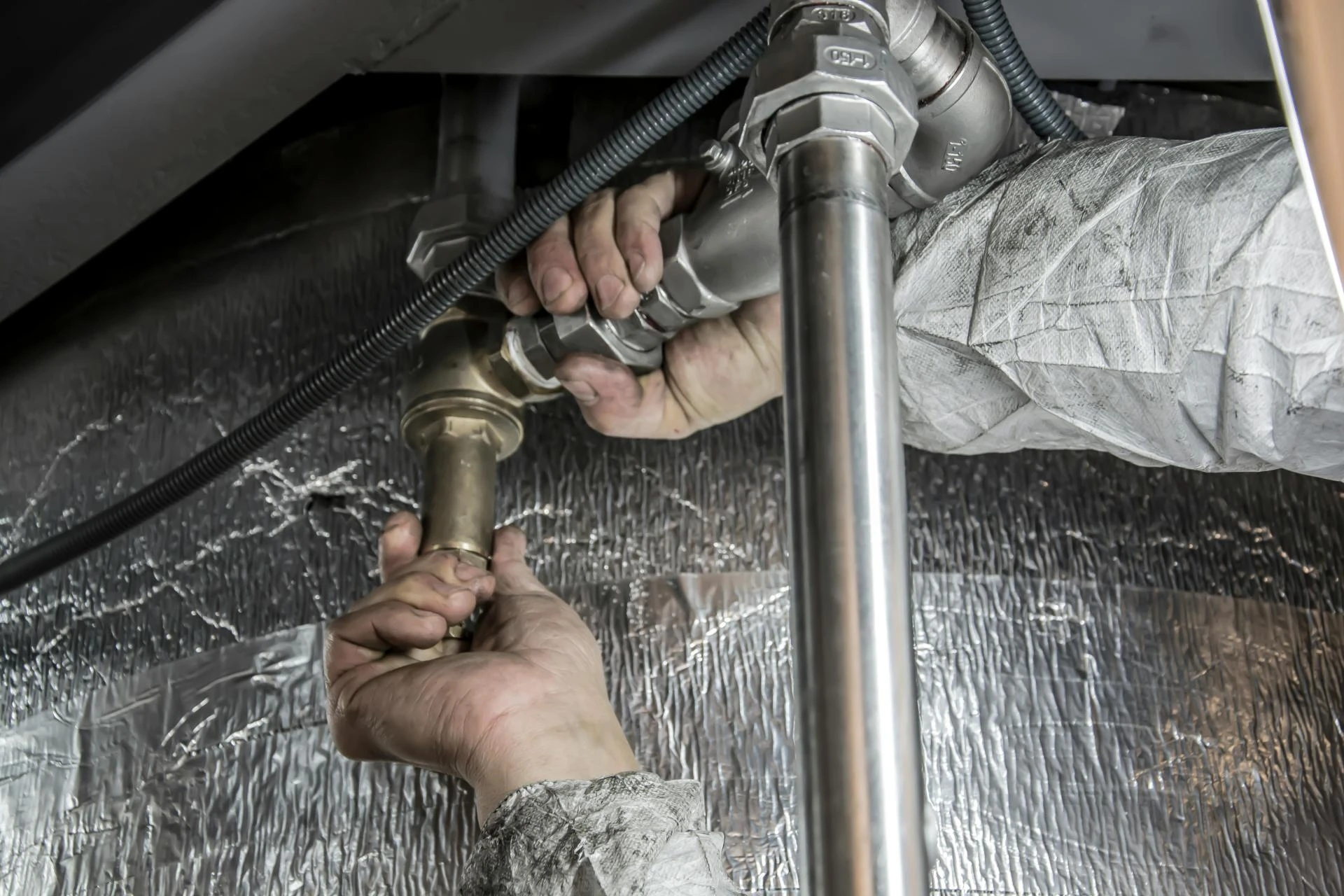
Water heaters are an essential part of every home, providing the hot water needed for daily activities like showering, washing dishes, and laundry. However, like any appliance, water heaters can experience problems over time. Understanding the most common causes of water heater failures can save you from costly repairs, inconvenient downtime, and the frustration of cold showers. Whether you own a tank or tankless water heater, knowing the warning signs and causes can help you prevent a major breakdown and decide when to call for professional water heater repair.
1. Sediment Buildup
One of the most frequent causes of water heater failure is sediment buildup inside the tank. Over time, minerals from hard water, like calcium and magnesium, settle at the bottom of the water heater tank. This layer of sediment can:
- Reduce heating efficiency by insulating the water from the heating element.
- Cause the tank to overheat, leading to premature wear.
- Increase energy bills because the heater must work harder to heat the water.
Regular flushing of your water heater can help prevent sediment accumulation. If you notice reduced hot water output or unusual noises coming from your tank, it may be time for professional water heater repair.
2. Corrosion and Rust
Water heaters are exposed to constant moisture, making them prone to corrosion and rust over time. Corrosion can occur both inside the tank and on the external components. When rust eats through the tank walls, it can cause leaks that require immediate attention. Signs of corrosion include:
- Rust-colored water from your faucets.
- Visible rust around the tank connections.
- Water pooling near the base of the heater.
Using a sacrificial anode rod inside the tank can slow corrosion. However, if the tank is already leaking or significantly rusted, professional water heater repair or replacement is necessary.
3. Faulty Heating Elements
Electric water heaters rely on heating elements to warm the water. Over time, these elements can fail due to normal wear, sediment buildup, or electrical issues. When a heating element malfunctions, you might notice:
- Water is not as hot as it used to be.
- Hot water runs out quickly.
- Tripping circuit breakers when the water heater is on.
Replacing a faulty heating element is a common form of water heater repair and should be done by a licensed technician to ensure safety.
4. Pressure and Temperature Issues
Water heaters operate under high pressure and at elevated temperatures. If the pressure relief valve malfunctions or the thermostat fails, it can lead to dangerous conditions, including:
- Excessive pressure inside the tank.
- Water temperature that is too high.
- Leaks or ruptures in extreme cases.
The temperature and pressure relief valve is a critical safety feature. If you notice water leaking from the valve or inconsistent water temperatures, schedule immediate water heater repair to prevent potential hazards.
5. Leaking Tanks
Leaking tanks are one of the most obvious signs that your water heater is failing. Causes of leaks include:
- Corrosion inside the tank.
- Loose or damaged plumbing connections.
- Cracks caused by excessive pressure or sudden temperature changes.
A leaking tank typically requires professional water heater repair or full replacement, as patching a tank is generally not safe or long-lasting.
6. Thermostat Failures
The thermostat controls the water temperature in your heater. If it fails, the water may become too hot, not hot enough, or fluctuate unpredictably. Signs of a failing thermostat include:
- Water is too hot or cold.
- Water temperature changes frequently.
- The heater cycles on and off irregularly.
A professional technician can test and replace a faulty thermostat as part of water heater repair, restoring consistent water temperature and efficiency.
7. Age and Wear
Like all appliances, water heaters have a lifespan. Tank water heaters generally last 8–12 years, while tankless units can last up to 20 years. As the unit ages, components such as the heating element, thermostat, and tank lining wear out. Older units are also more susceptible to:
- Sediment buildup
- Corrosion
- Leaks
If your water heater is reaching the end of its lifespan, consider discussing water heater repair or replacement options with a professional.
8. Improper Installation
Many water heater issues stem from improper installation. Incorrect pipe connections, inadequate venting, or wrong sizing can lead to:
- Poor heating efficiency
- Frequent leaks
- Premature component failure
Hiring a licensed professional for installation can prevent many common water heater problems and reduce the need for future water heater repair.
9. Water Quality
Water quality significantly affects the longevity of your heater. Hard water accelerates sediment buildup, while acidic water can corrode metal components. If you notice scaling, rust, or strange odors in your water, it may indicate that your water quality is affecting your heater’s performance. Solutions include:
- Installing a water softener
- Regular flushing and maintenance
- Routine inspections by a water heater repair expert
10. Lack of Maintenance
Perhaps the simplest but most overlooked cause of water heater failure is lack of maintenance. Routine maintenance, including flushing the tank, checking the anode rod, inspecting valves, and testing the thermostat, can prevent most major issues. Skipping maintenance often leads to:
- Reduced efficiency
- Shorter lifespan
- Unexpected breakdowns
Scheduling periodic inspections and water heater repair services ensures your system runs efficiently and safely.
Preventing Water Heater Failures
Prevention is always better than cure when it comes to water heaters. Here are some tips to extend your heater’s lifespan:
- Flush the Tank Regularly – Removes sediment and improves efficiency.
- Check the Anode Rod – Protects the tank from corrosion.
- Inspect Valves and Pipes – Prevents leaks before they become severe.
- Monitor Water Temperature – Keep it around 120°F to reduce stress on the system.
- Hire Professionals for Repairs – Avoid DIY fixes that can cause further damage.
Regular maintenance and prompt water heater repair can help you avoid emergencies, save money, and ensure a reliable supply of hot water.
When to Call a Professional
Even with proper care, water heaters can fail. Signs you should call for professional water heater repair include:
- Persistent leaks
- Strange noises or popping sounds
- Water that is too hot, too cold, or inconsistent
- Rusty water or visible corrosion
- Tank over 10 years old showing frequent issues
Professional technicians have the tools and expertise to diagnose problems accurately, replace parts safely, and ensure your water heater operates efficiently.
Conclusion
Water heaters are reliable, but they are not invincible. Understanding the most common causes of failure—from sediment buildup and corrosion to faulty heating elements and age—can help homeowners prevent unnecessary breakdowns. Routine maintenance, prompt repairs, and professional inspections are key to keeping your hot water flowing.
If you notice any warning signs or experience reduced water heater performance, don’t wait—contact a licensed expert for water heater repair to ensure safety and comfort in your home.

























Sign in to leave a comment.