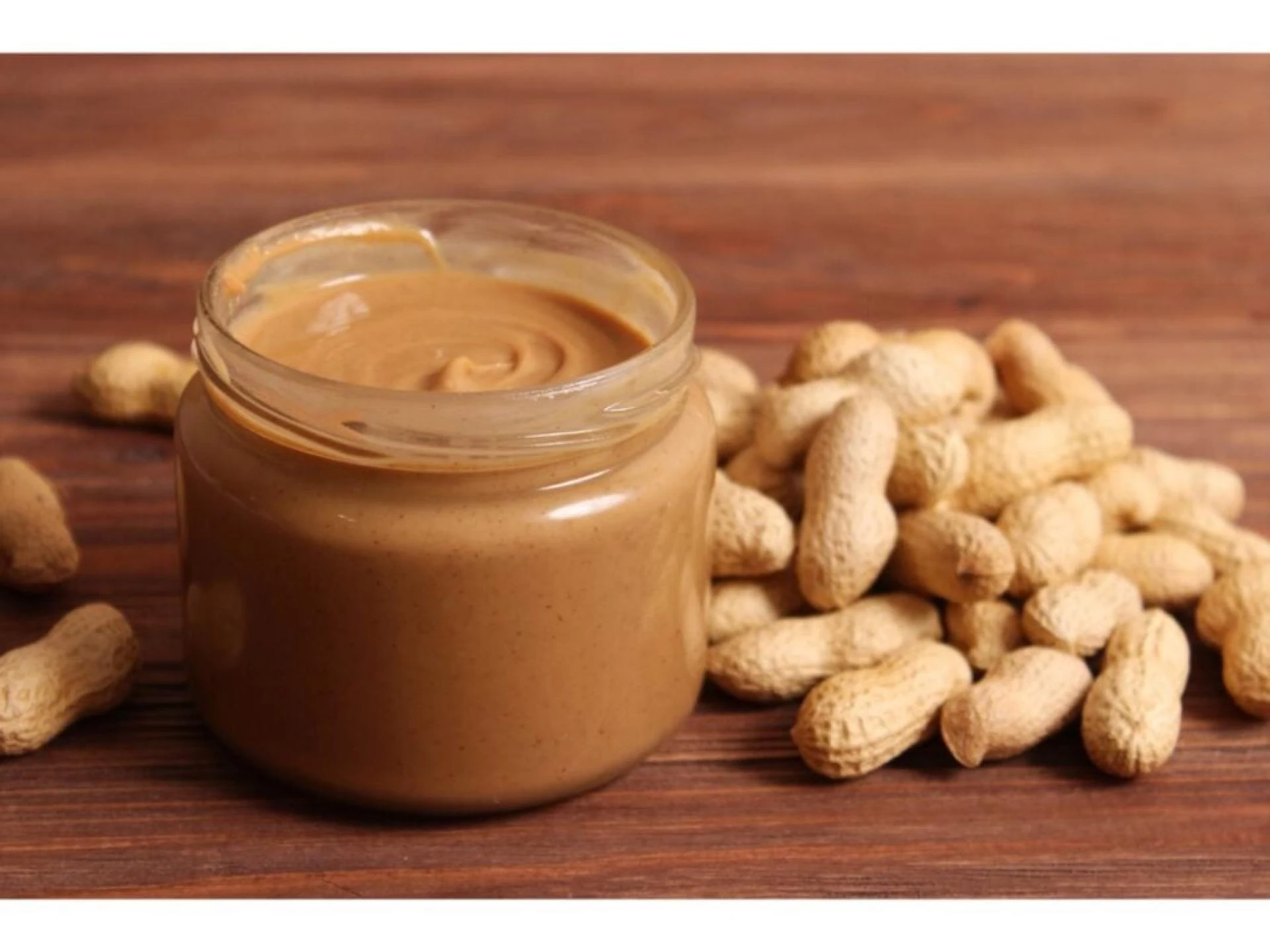

Peanut butter is a beloved spread that has earned its place as a staple in pantries worldwide. Not only is it a delicious addition to sandwiches and snacks, but it also boasts an impressive array of nutritional benefits of peanut butter that make it a star player in a balanced diet. In this blog, we'll dive into the many ways peanut butter can contribute to your overall health and well-being.
1. Rich Source of Healthy Fats:
Peanut butter is packed with heart-healthy monounsaturated and polyunsaturated fats. These fats have been shown to help lower bad cholesterol levels, reducing the risk of heart disease when consumed as part of a balanced diet.
2. High-Quality Protein:
Protein is essential for building and repairing tissues in your body. Peanut butter is an excellent source of plant-based protein, making it a valuable addition to vegetarian and vegan diets. A couple of tablespoons of peanut butter can provide around 8 grams of protein.
3. Abundance of Vitamins and Minerals:
Peanut butter is rich in essential vitamins and minerals, including:
Vitamin E: An antioxidant that helps protect cells from damage.Niacin (Vitamin B3): Important for metabolism and skin health.Magnesium: Supports muscle and nerve function.Phosphorus: Essential for strong bones and teeth.4. Fiber for Digestive Health:
Fiber promotes healthy digestion and helps prevent constipation. Peanut butter contains both soluble and insoluble fiber, which can contribute to better gut health and regular bowel movements.
5. Energy Booster:
The combination of healthy fats, protein, and fiber in peanut butter provides a sustained source of energy. It's an ideal choice for a pre- or post-workout snack to fuel your body and aid in muscle recovery.
6. Nutrient-Rich Snacking:
Enjoying peanut butter as a snack with whole-grain crackers, apple slices, or celery sticks can help curb hunger between meals. The combination of protein and healthy fats can keep you feeling satisfied and reduce unhealthy snacking.
7. Weight Management:
Despite its calorie density, studies suggest that including peanut butter in moderation may aid in weight management. The satiety it provides can help control overall calorie intake.
8. Heart-Protective Nutrients:
Peanut butter contains nutrients like resveratrol and folate, which may contribute to heart health. Resveratrol is associated with reduced risk factors for heart disease, while folate helps lower levels of homocysteine, a compound linked to cardiovascular issues.
9. Antioxidant Properties:
Peanut butter is a source of antioxidants, including p-coumaric acid, which can help neutralize harmful free radicals in the body. Antioxidants play a role in reducing the risk of chronic diseases.
10. Cognitive Health:
Peanuts are a good source of niacin and folate, which are essential for brain health and may play a role in preserving cognitive function as you age.
Conclusion:
Peanut butter is more than just a tasty spread; it's a nutritional powerhouse that offers a range of health benefits. When selecting peanut butter, opt for natural varieties with minimal added sugars and unhealthy fats. Incorporate it into your diet in moderation to reap the rewards of its heart-healthy fats, protein, vitamins, minerals, and antioxidant properties. Whether you're spreading it on toast, blending it into smoothies, or using it as a dip for fruits and vegetables, peanut butter can be a delicious and nutritious addition to your daily meals.




























Sign in to leave a comment.