From Atlantic Looms to Global Runways – The Quiet Revolution in Iberian Apparel

In the shadow of Europe’s fashion capitals, a quiet revolution is reshaping the global apparel landscape. Portuguese clothing manufacturers have emerged as the continent’s most agile, ethical, and innovative production partners, powering everything from fast-fashion giants to ultra-niche direct-to-consumer brands. With a €7.69 billion domestic market in 2025, a projected 2.4% annual growth rate, and exports topping $8 billion, Portugal has transformed from Europe’s best-kept secret into its most strategic manufacturing ally.
This isn’t hype—it’s heritage meeting hyper-efficiency, where 800-year-old textile traditions collide with AI-driven design and zero-waste engineering to produce garments that are as sustainable as they are stunning
The numbers tell only part of the story. Over 6,350 textile and apparel companies employ 123,000 skilled workers across a 360-degree supply chain that spans raw fiber to finished fashion. From the mist-shrouded valleys of Minho to the sunlit factories of Porto and Barcelos, Portuguese clothing manufacturers operate within a 50-kilometer “golden triangle” of production excellence. This geographic density isn’t coincidence—it’s competitive advantage. Fabric mills, dye houses, cut-and-sew facilities, and logistics hubs sit within minutes of one another, enabling lead times as short as 21 days from sketch to shipment. For brands burned by Asian delays and rising freight costs, this proximity is priceless
But speed is just the beginning. What truly elevates Portuguese clothing manufacturers is their fusion of artisanal soul with industrial precision. While Asian factories chase volume, and Italian ateliers court couture, Portugal has carved a third path: premium quality at scalable speed, with sustainability baked into every bolt of fabric. By 2025, 72% of Portuguese apparel production incorporates recycled or organic materials—up from 45% in 2020. GOTS, OEKO-TEX, GRS, and BCI certifications aren’t marketing stickers here; they’re minimum operating standards. Factories like Valérius 360 don’t just recycle textile waste—they spin it into yarns so fine they rival virgin cotton, complete with blockchain-tracked digital passports that let consumers scan a QR code and trace their hoodie from factory floor to ocean-bound plastic bottle.
This eco-evolution didn’t happen overnight. It’s the culmination of decades of deliberate investment. When Portugal joined the EU in 1986, textile subsidies modernized looms and trained a new generation of technicians. The 2008 financial crisis forced painful consolidation—weak players folded, survivors innovated. By 2015, “Texagility” had become the industry buzzword: the ability to pivot from 500-piece artisanal runs to 50,000-unit fast-fashion drops without breaking stride. Today, that flexibility powers brands from Stockholm startups to Los Angeles streetwear labels, all drawn to MOQs as low as 100 pieces and pricing that undercuts Italy by 25% while surpassing Bangladesh in quality and ethics.
The Human Thread: Craftsmanship in the Age of Automation
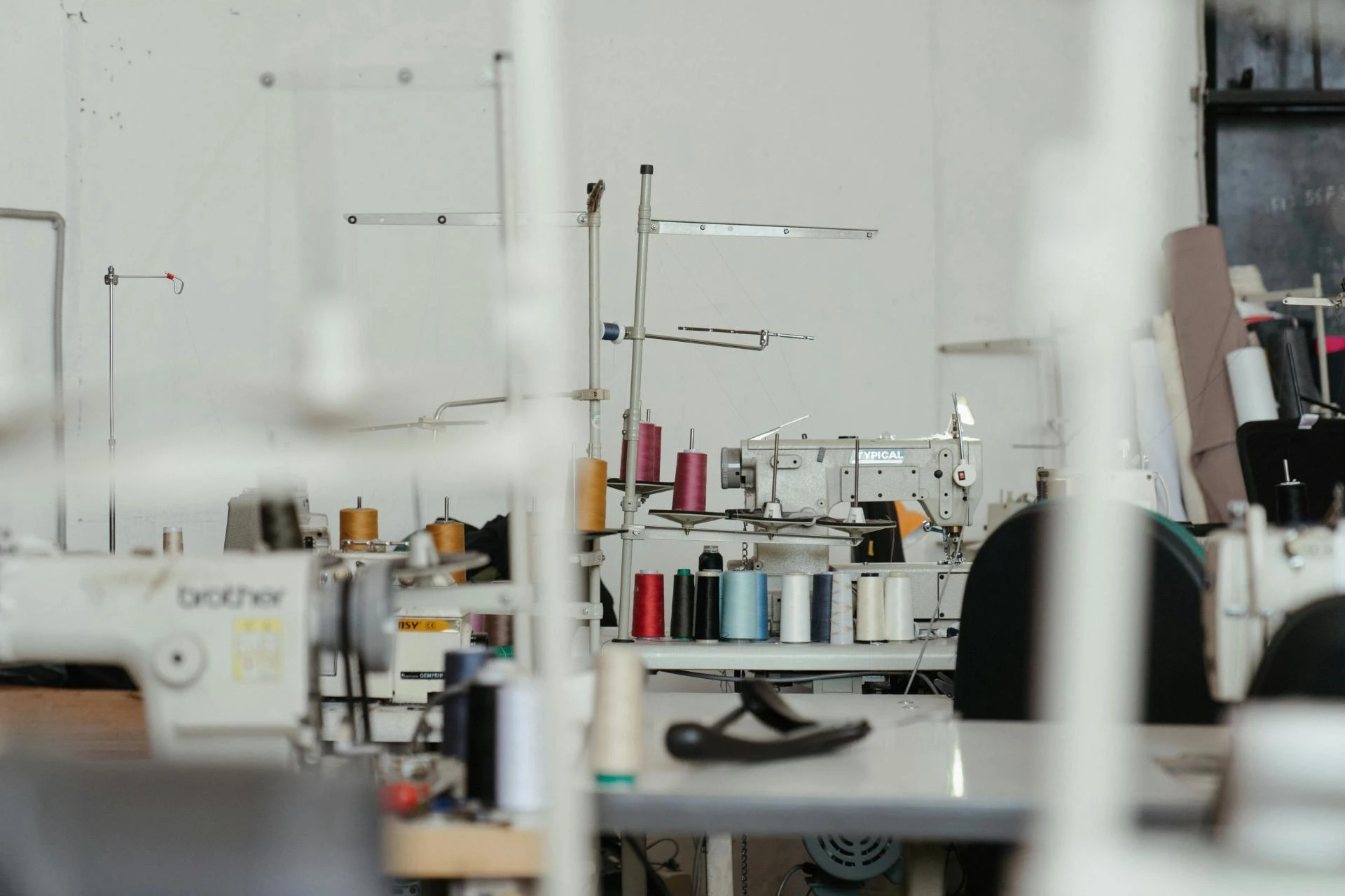
Walk into a Portuguese factory in 2025, and you’ll see something rare: humans and machines in perfect harmony. In one corner, a 68-year-old seamstress with 50 years of experience hand-finishes a linen blazer’s buttonholes with stitches so tiny they’re nearly invisible. Ten meters away, a 3D knitting machine from Shima Seiki weaves an entire seamless sweater in 47 minutes, using yarn spun from recycled fishing nets. This isn’t contradiction—it’s competitive edge.
Portuguese clothing manufacturers have mastered what economists call “high-tech craft.” While fully automated factories in Asia eliminate jobs, Portugal’s hybrid model preserves 40,000 artisanal roles while boosting productivity 300% through selective automation. The result? Garments with soul and scale. A €28 organic cotton tee from Create Fashion Brand isn’t just soft—it’s stitched with the kind of invisible seam only a master tailor can achieve, then quality-checked by AI vision systems that detect flaws at 0.1mm precision.
This human-centered approach extends to labor practices. Average factory wages hover at €1,450 monthly—triple Bangladesh levels—with full social security, 22 days of paid vacation, and zero tolerance for overtime beyond legal limits. BSCI and Sedex audits are annual rituals, not checkbox exercises. When a major U.S. retailer demanded 24/7 production in 2023, three Portuguese factories walked away rather than compromise worker rights. That integrity has become a selling point: 68% of Gen Z consumers say they’ll pay 10-15% more for apparel from ethically verified suppliers, per 2025 Nielsen data.
Factory Spotlight: Five Portuguese Powerhouses Redefining Production
The diversity of Portuguese clothing manufacturers is staggering. Here are five that embody the nation’s range—from startup incubators to circularity pioneers.
1. Create Fashion Brand (CFB) – The Startup Launchpad
Barcelos-based CFB has onboarded 600+ emerging labels since 2015, offering two pathways: premium blank personalization (MOQ 100) or full cut-and-sew development (MOQ 300). Their 45,000-unit monthly capacity spans streetwear, workwear, and kidswear, with sampling in 10-14 days. Waterless digital printing and GOTS-certified organic cotton are standard. “CFB didn’t just make our hoodies—they made our brand possible,” says a Berlin-based founder who launched with 200 units and scaled to 20,000 in 18 months.
2. ASBX – Jersey Mastery for the Urban Pulse
In Vila Nova de Famalicão, ASBX produces 80,000 jersey garments monthly for 3,200 brands across 58 countries. Specializing in recycled polyester blends, they achieve 96% material utilization through AI-optimized cutting. MOQ: 150 pieces. Lead time: 5 weeks. Their “Scrap-to-Yarn” program diverts 40 tons of factory waste annually into new fabric. A London streetwear label calls them “the only manufacturer who delivers Hypebeast quality with Patagonia ethics.”
3. Valérius 360 – Circularity at Scale
This Barcelos giant doesn’t just manufacture—it reincarnates. Their closed-loop system turns pre-consumer waste into yarn, fabric, and finished garments under one roof. Monthly output: 120,000 units. Certifications: GRS, RCS, OCS, FSC. Each garment ships with a digital sustainability passport. When a Scandinavian activewear brand needed 10,000 recycled nylon leggings in 6 weeks, Valérius delivered—using yarn spun from discarded fishing nets collected 200km away in Nazaré.
4. Somelos – The Fabric Alchemists
While most Portuguese clothing manufacturers focus on assembly, Somelos controls the source. This Guimarães mill produces 12 million meters of fabric annually—shirtings, denims, technical weaves—all from GOTS organic or BCI cotton. Their R&D lab develops “smart textiles” like moisture-wicking linens and UV-protective cottons. Brands design with Somelos yarn, then seamlessly transition to nearby cut-and-sew partners, creating a 360° Portuguese pipeline.
5. Ydra Studio – Bespoke for the Bold
For labels chasing couture-level detail at ready-to-wear scale, Ydra in Vila do Conde is unmatched. MOQ: 120 pieces. Specialties: hand-embroidered linens, laser-cut leathers, and made-to-measure outerwear. Their 35-person design team includes patternmakers who trained at Central Saint Martins. A Paris fashion week debut collection of 800 pieces—each with custom silk-screened linings—was produced in 29 days. “Ydra doesn’t manufacture clothes,” says the designer. “They manifest art.”
The Partnership Playbook: How to Engage Portuguese Producers
Success with Portuguese clothing manufacturers requires strategy, not serendipity. Here’s your roadmap:
- Research Ruthlessly – Use the ATP (Portuguese Textile Association) directory or platforms like Suplify to filter by capability (knits vs. wovens), certifications, and MOQ. Attend Modtissimo (April/October, Porto) for face-to-face intros.
- Tech Pack Precision – Portuguese factories expect detailed specs: graded patterns, stitch counts, fabric GSM, trim cards. Invest in a professional tech pack—€300-800 saves thousands in revisions.
- Sample Smart – Budget €80-250 per prototype. Request “production-ready” samples, not sales samples. Virtual fittings via 3D avatars are now standard.
- Negotiate MOQ Tiers – Many factories offer sliding scales: 100 pieces at €35/unit, 500 at €28, 2,000 at €22. Start small, scale fast.
- Visit if Possible – 70% of long-term partnerships begin with factory tours. Flights to Porto are €50 from most EU cities. Seeing the 82-year-old tailor who’ll finish your lapels is priceless.
- Leverage Agents Wisely – For complex projects, hire a Portugal-based sourcing agent (2-5% commission). They’ll navigate language nuances and secure priority production slots.
The 2030 Horizon: AI, Bio-Fabrics, and On-Demand Empires
By 2030, Portuguese clothing manufacturers will operate in a radically different world. Shima Seiki’s whole-garment machines will knit fully fashioned dresses in 35 minutes. AI design assistants will generate 100 variations from a single mood board. Micro-factories in Lisbon will produce 50-piece capsule collections in 48 hours for pop-up shops. Bio-engineered fibers—spider silk proteins grown in yeast, mycelium leather from mushrooms—will replace 30% of cotton and polyester.
The infrastructure is already in place. The Citeve technology center in Vila Nova de Caxarias tests fabrics for biodegradability and microplastic shedding. The University of Minho’s textile engineering program graduates 400 specialists annually. Government incentives offer 35% R&D tax credits for sustainable innovation. Portugal isn’t preparing for the future of fashion—it’s prototyping it.
Your Move: From Vision to Victory with Portuguese Partners
The age of choosing between quality, speed, and ethics is over. Portuguese clothing manufacturers have dissolved that triad into a single, seamless offering. Whether you’re launching a 200-piece streetwear drop or scaling a 200,000-unit basics line, Portugal delivers with the precision of a Swiss watch and the warmth of a family atelier.































Sign in to leave a comment.