

A common misconception is that vaccinations end once childhood is over. In reality, immunity from earlier shots wanes over time, and your exposure risks evolve as you age. Staying up to date on adult vaccinations is one of the simplest ways to prevent severe illness, avoid missed work, and protect high-risk family members.
Rather than navigating complex medical guidelines, this checklist breaks down the essential immunizations you need after age 30.
Core Immunization Checklist for Adults
1. Tdap (Tetanus, Diphtheria, Pertussis)
Tdap protects against tetanus (lockjaw), diphtheria, and pertussis (whooping cough). Whooping cough can be particularly severe for infants and vulnerable adults.
- Schedule: A Tdap booster is required every 10 years. Women should also receive a Tdap dose during each pregnancy to pass antibodies to the newborn.
2. Annual Influenza (Flu) Vaccine
Because flu viruses mutate each season, last year’s shot does not offer full protection for current strains.
- Schedule: One dose annually, ideally in the autumn months.
3. COVID-19 Updates
Updated formulas match circulating variants to lower the risk of severe illness, hospitalization, and long-term complications.
- Schedule: Administered periodically based on current health guidelines and provider recommendations.
4. Catch-Up HPV Vaccine (Up to Age 45)
Human Papillomavirus (HPV) is widespread and linked to cervical, throat, and other cancers.
- Schedule: Adults up to age 45 who were not fully vaccinated in their teens can receive catch-up doses after consulting with a provider.
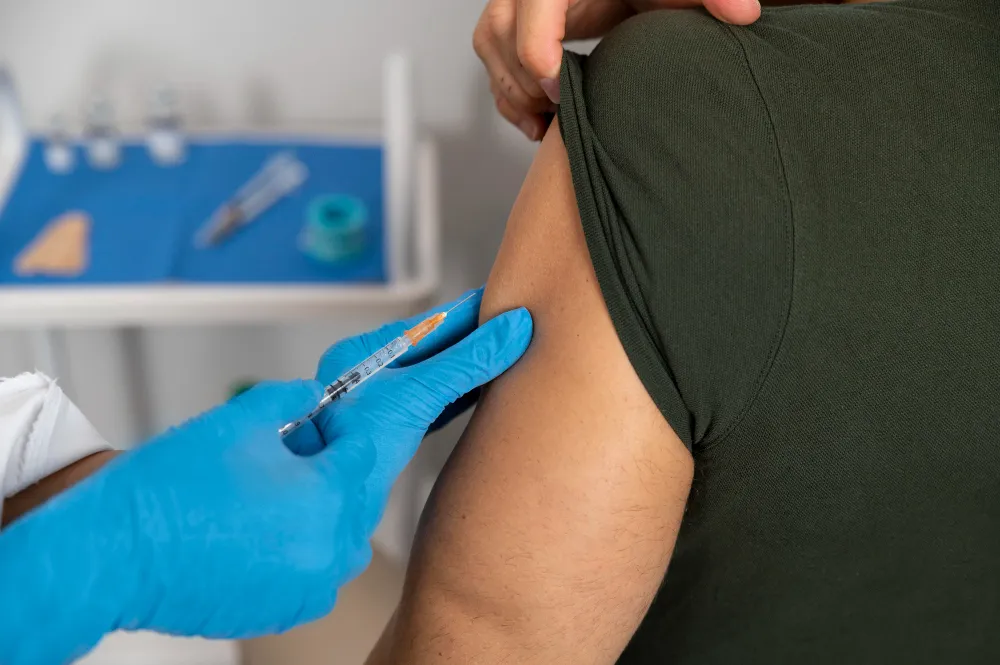
Expanded Protection After Age 50
As immune systems naturally change over time, certain targeted vaccines become critical:
- Shingles Vaccine (Shingrix): Recommending two doses for adults aged 50 and older to prevent the painful reactivation of the chickenpox virus and long-term nerve pain.
- Pneumococcal Vaccine: Protects against severe pneumococcal disease, including pneumonia and bloodstream infections. Recommended for adults 65+ or younger adults with conditions like asthma, diabetes, or heart disease.
How to Check Your Vaccination Status
- Gather Existing Records: Check state immunization registries, workplace health records, or past clinic portals.
- Assess Personal Risk Factors: Consider chronic health conditions, job-related exposures (such as healthcare or childcare), travel plans, or living with immunocompromised individuals.
- Consult a Pharmacist or Provider: Bring your records to a local pharmacy for a quick review. Missing records don’t mean starting over — a pharmacist can help determine if catch-up doses or titers are necessary.
For convenient, walk-in access to routine boosters, flu shots, and personalized schedule reviews, visit Citizen Pharmacy to ensure your adult immunization plan keeps you fully protected.



























Sign in to leave a comment.