
Introduction
Industries are embracing Data Science with open arms considering the benefits it offers. However, implementing data science can require significant technology, infrastructure, and talent investments. It's necessary to have a well-planned strategy and to consider the resources and skills needed to succeed carefully.
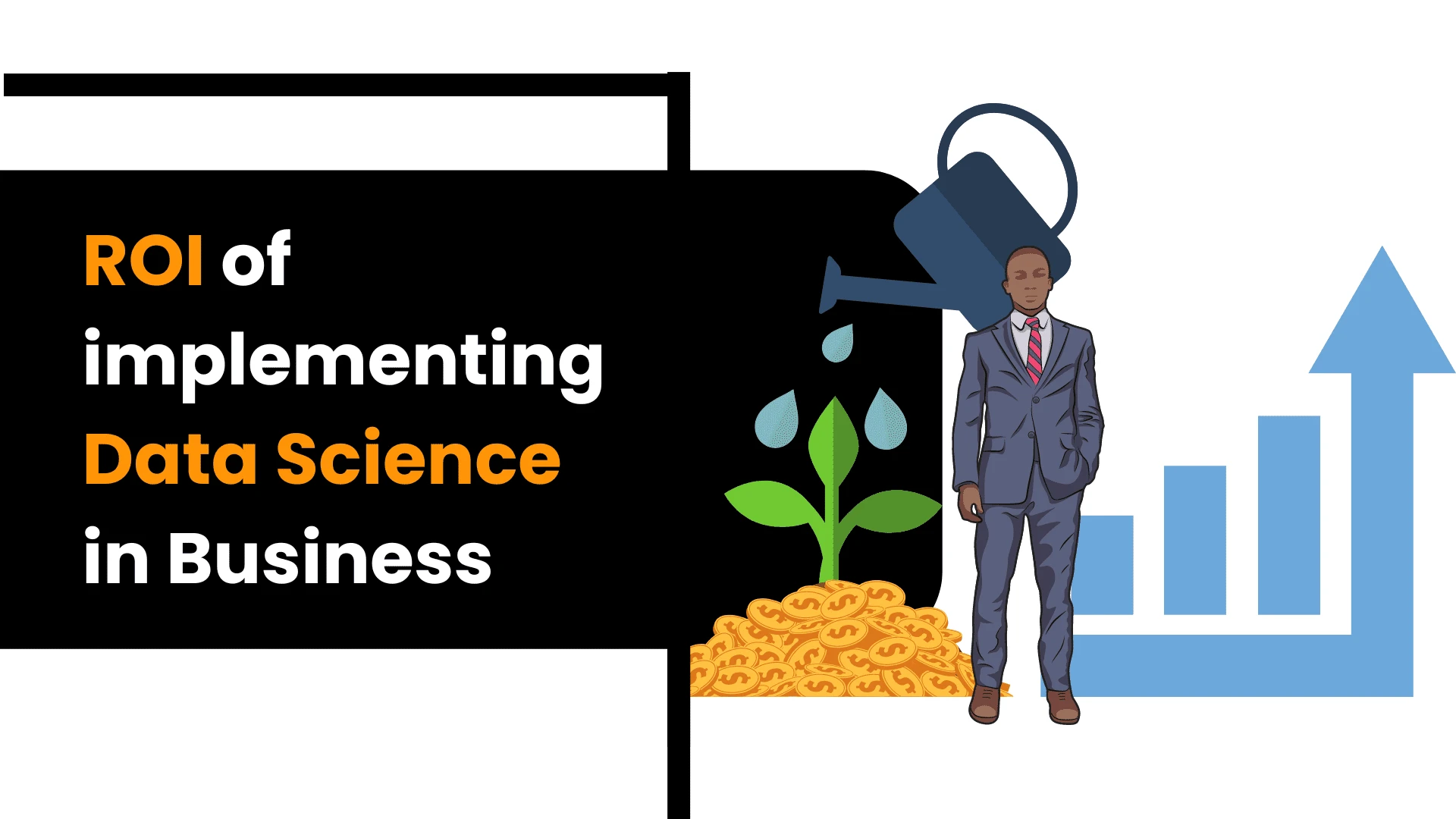
Adding data science to your business practices can make a marked difference in productivity, decision-making, and product development. It can help you minimize or eradicate the risk of fraud and error, increase efficiency, and provide better customer service. In this article, we will guide you through the potential ROI of Implementing Data Science in Business, the steps involved in implementing Data Science and the costs involved in implementing Data Science, and the list of companies that implemented Data Science successfully.
Potential ROI of implementing Data Science in business
The potential return on investment (ROI) of implementing Data Science in a business can vary widely depending on the specific use case and industry. However, some potential benefits of implementing data science in a business include the following:
Improved decision-making: Data science can help organizations make better decisions by providing insights and predictions based on data analysis.Increased efficiency: With the help of Data Science, organizations can automate processes, identify inefficiencies, and optimize workflows, leading to increased efficiency.Increased revenue: By using data to personalize offerings, optimize pricing, and improve marketing strategies, organizations can increase revenue.Better customer satisfaction: Data scientists can assist organizations in better understanding and serving their customers, leading to improved customer satisfaction and loyalty.Competitive advantage: By leveraging data science, organizations can gain a competitive advantage over others in their industry who are not using data science.ROI from data science implementations can take time to materialize and may require significant technological, infrastructure, and talent investments.
Costs involved in implementing Data Science
The cost of implementing data science can vary widely depending on the size and complexity of the project. Implementing data science can range from a few thousand dollars for a small project to hundreds of thousands for a large, complex project. However, some of the critical factors that affect the cost include
Data collection and preparation: This includes acquiring, cleaning, and preprocessing the data, which can consist of paying for data sources and software.
Hardware and infrastructure: Depending on the size of the data, you may need powerful computing resources and storage, which can be expensive.
Tools and software: The cost of software and tools used for data analysis, modeling, and visualization can add up.
Talent: Hiring data scientists, machine learning engineers, and data analysts can be expensive, particularly in areas with high demand for these skills. For your reference, hire a data scientist from an outsourcing company who can help you with machine learning, data engineering, and data analysis.
Training and support: The cost of training and support for data science projects, such as workshops, training programs, and support for data scientists and data teams, can be a significant expense.
Steps of Implementing Data Science In Business
Implementing Data Science in a business can involve several steps, including
Defining the problem: Identifying the business problems or challenges that data science can help solve.Data collection: Gathering and cleaning the necessary data to address the issue.Modeling: Developing and testing mathematical and statistical models to analyze the data and make predictions or decisions.Deployment: Integrating the models into the business processes and systems.Monitoring: Regularly monitoring the performance of the models and updating them as needed.Collaboration: Collaborating with stakeholders, such as business leaders, IT, and data experts, ensures that data science is aligned with business goals and objectives.Companies That Implemented Data Science successfully
Several companies implemented Data Science successfully. These companies have demonstrated the tremendous potential of data science to drive business growth and success. By leveraging the power of data, these companies have gained a competitive advantage and transformed their operations. Here are some notable mentions:
Amazon: Uses data science to personalize shopping experiences, optimize pricing and delivery, and improve its supply chain.
Netflix: Utilizes data science to make customized recommendations to its users and to optimize content acquisition and distribution.
Google: Uses data science for many applications, including search algorithms, online advertising, and self-driving cars.
Walmart: Has integrated data science into many aspects of its operations, from supply chain management to personalized marketing.
Facebook: Uses data science to personalize the news feed, target advertisements, and improve security.
Airbnb: Relies on data science to match guests with suitable properties, optimize pricing, and improve the overall user experience.
Uber: Uses data science for route optimization, driver matching, and pricing algorithms.
Salesforce: Utilizes data science for sales forecasting, customer relationship management, and marketing automation.
Waze: Employs data science to provide users with real-time traffic and navigation information.
Spotify: Uses data science to personalize music recommendations and optimize the overall user experience.
Conclusion
Implementing data science in business has become increasingly important in recent years. It has the potential to drive significant returns on investment. With the ability to extract valuable insights from vast amounts of data, data science consultant can lead to improved decision-making, increased efficiency, and reduced costs. Additionally, as technology and data science evolve, the potential for further ROI will only grow, making it a wise investment for businesses of all sizes. However, it is essential to approach data science implementation carefully and understand the costs and potential returns. With careful planning and execution, businesses can reap the benefits of this powerful tool and position themselves for success in the ever-changing landscape of the future.






























Sign in to leave a comment.