
In the digital world, content is more than just words on a screen—it's a way to connect, build trust, and grow your online presence. One powerful yet often underutilized method of doing this is through a guest post. Whether you're a blogger, business owner, marketer, or someone building a personal brand, guest posting offers incredible benefits when done right.
Let’s break down what a guest post really is, why it’s important, how to approach it strategically, and how it can help you stand out in an increasingly noisy digital space.
What Is a Guest Post?
A guest post is a piece of content written by someone who is not a regular contributor to a website or blog. Typically, guest posts are created by individuals or businesses looking to share their expertise with a new audience, build backlinks, increase their credibility, or simply offer value to a different community.
Instead of publishing on your own site, you share your knowledge on someone else’s platform—reaching a wider audience and, ideally, providing helpful insights.
Why Guest Posting Still Matters in 2025
Guest posting has been around for years, and some marketers have questioned whether it's still relevant. The short answer? Yes, absolutely.
Here’s why guest posting continues to be a strong digital marketing tool:
1. Expands Your Audience
When you write a guest post for a site with an established readership, you automatically gain exposure to new people who might never have come across your brand otherwise.
2. Builds Authority
Publishing high-quality content on reputable sites positions you as an expert in your field. It shows that you’re serious, knowledgeable, and trustworthy.
3. Improves SEO
Search engines reward sites that have strong backlinks. A guest post typically includes one or two links back to your own website—these backlinks help improve your domain authority and search engine rankings over time.
4. Drives Traffic
A well-written guest post with useful information will naturally encourage readers to click through to your site, increasing traffic and potentially converting readers into subscribers or customers.
5. Strengthens Relationships in Your Niche
Guest posting isn't just about self-promotion. It’s also a way to build relationships with other creators and businesses. Collaboration opens doors to future opportunities and partnerships.
How to Find the Right Guest Posting Opportunities
Not all guest post opportunities are created equal. You want to target websites that align with your niche, have a solid readership, and are reputable in your industry. Here’s how to find the right places:
1. Start With a Google Search
Use search queries like:
- “Your niche” + “write for us”
- “Your industry” + “guest post guidelines”
- “Submit a guest post” + “Your topic”
This simple search will bring up a list of websites actively accepting guest contributions.
2. Look at Competitor Backlinks
Tools like Ahrefs, Moz, or SEMrush can show you where your competitors are getting their backlinks. If they’ve written a guest post somewhere, you might be able to do the same.
3. Social Media and LinkedIn
Check what thought leaders in your space are posting. If they’ve shared a guest post they wrote, that could be a lead for you.
4. Use Guest Posting Platforms
Sites like MyBlogGuest, Blogger LinkUp, and GuestPost.com help connect writers with blog owners looking for content.
Crafting the Perfect Guest Post Pitch
Getting your foot in the door often depends on how you approach your pitch. A good pitch should be brief, personalized, and show that you've done your homework.
Tips for a Strong Pitch:
- Personalize your message: Use the editor or site owner’s name.
- Mention a recent post: Show that you’re familiar with their content.
- Provide a few title ideas: Suggest 2–3 relevant post titles that would resonate with their readers.
- Highlight your expertise: Briefly explain who you are and why you're a good fit.
- Link to writing samples: Make it easy for them to evaluate your work.
Example:
*Hi Sarah,
I really enjoyed your recent article on “Email Marketing Trends for 2025.” I’m a content strategist with 5 years of experience in digital marketing, and I’d love to contribute a guest post to your blog. Here are a few topic ideas I think your readers would find valuable:
- “How to Create Content That Converts in a Post-SEO World”
- “The Future of Guest Posting and Thought Leadership”
- “Simple Strategies to Grow Organic Traffic in 2025”
- You can find samples of my writing here and here. Let me know if any of these topics interest you!
- Best,
- Jordan*
Writing a High-Quality Guest Post
Once your pitch is accepted, it’s time to deliver. The quality of your content can determine whether you’re invited back—or whether your post even gets published.
Here’s what to keep in mind:
1. Stick to the Guidelines
Most websites have specific guest post guidelines. Follow them to the letter—word count, formatting, tone, and link policy all matter.
2. Write for the Audience
Tailor your content to match the interests, experience level, and expectations of the site’s audience.
3. Be Valuable, Not Promotional
Focus on providing genuine value. Avoid turning your article into an ad for your business. Subtle mentions and links are fine, but don’t overdo it.
4. Include Practical Takeaways
People love actionable advice. End with tips, steps, or resources that readers can use immediately.
5. Edit and Proofread
Great content isn’t just about ideas—it’s about clarity, grammar, and flow. Don’t skip the editing process.
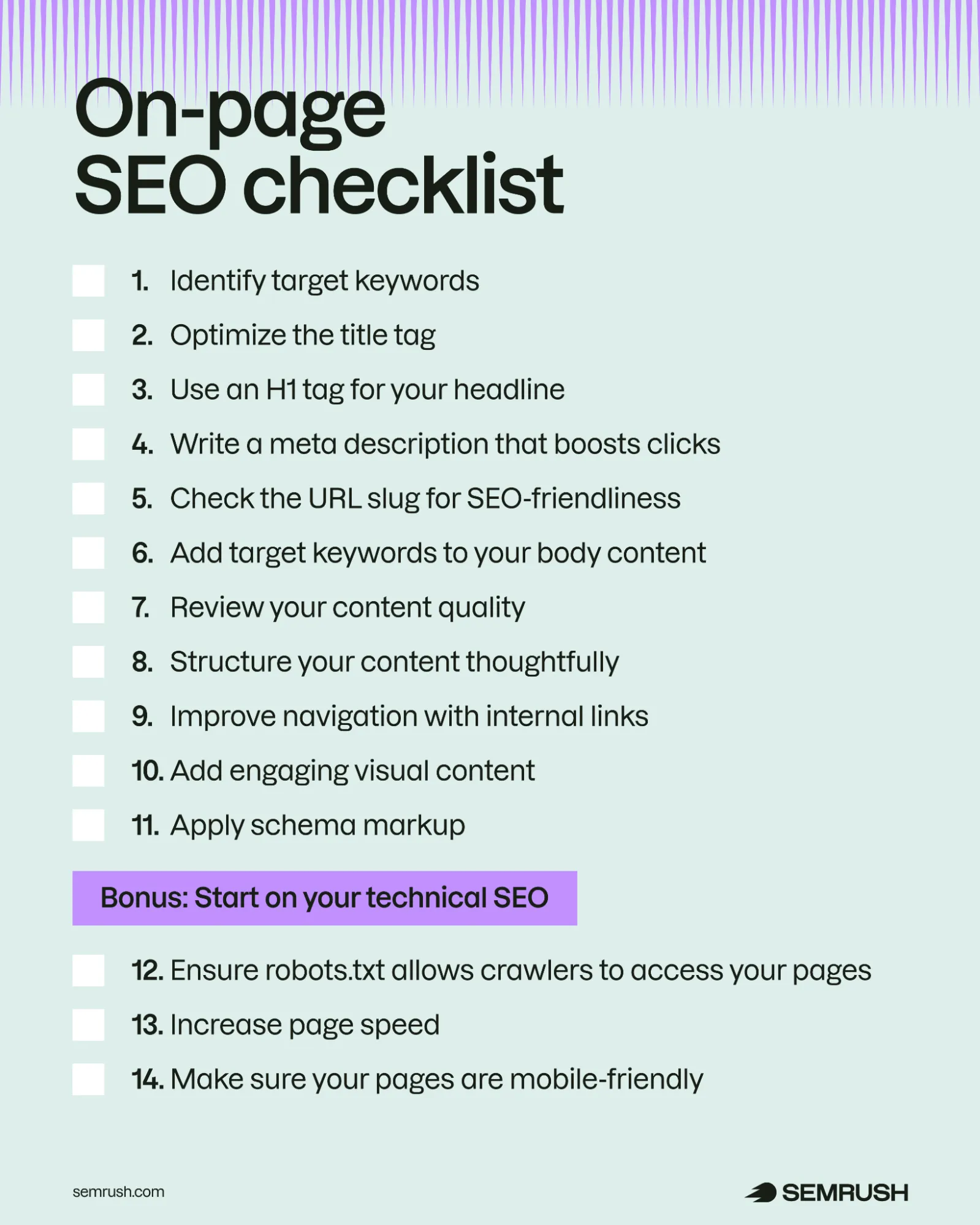
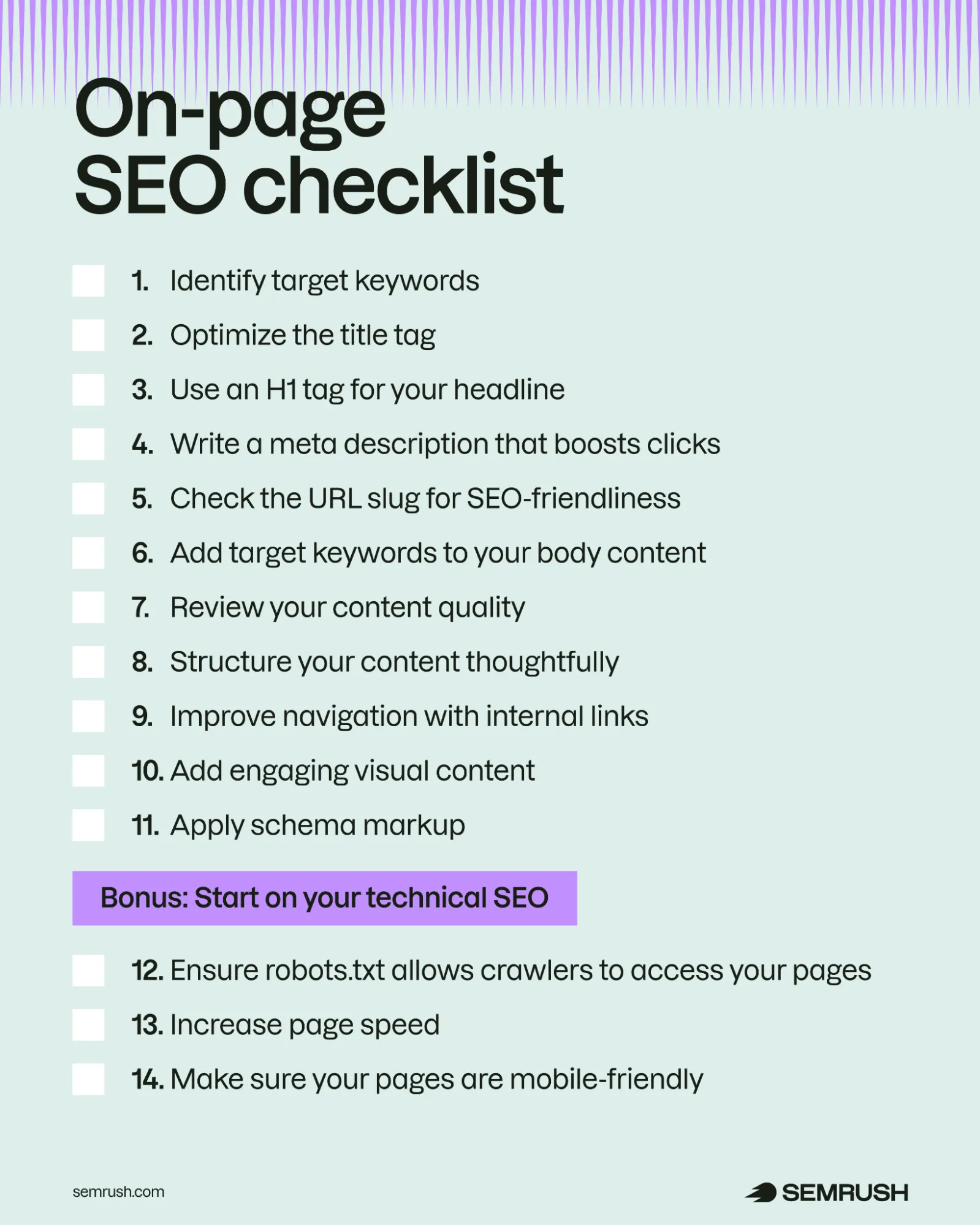
SEO Tips for Guest Posts
While guest posts should be written for humans first, SEO still plays a crucial role in making your content discoverable. Here’s how to keep it optimized:
- Use natural keyword variations throughout your post—don’t force them in.
- Optimize your title and subheadings with keywords your audience might search.
- Add internal links (if allowed) to other content on the host blog.
- Include a strong meta description if you're submitting it along with the article.
- Use proper formatting: Short paragraphs, bullet points, and images improve readability.
Remember, the guest post itself may not rank in search engines overnight, but the link back to your site adds long-term value to your SEO strategy.
How to Leverage Your Guest Post After It’s Published
Once your guest post goes live, don’t just forget about it—use it to your advantage.
1. Promote It on Social Media
Share the post with your audience. Tag the blog owner and thank them publicly. This builds rapport and shows you’re serious about the collaboration.
2. Add It to Your Portfolio
Guest posts can be powerful proof of your expertise. Add links to your website, LinkedIn, or content portfolio.
3. Engage With Comments
If the post allows for comments, respond to readers. It shows professionalism and may drive more engagement.
4. Repurpose the Content
Turn your guest post into a podcast episode, LinkedIn article, or YouTube video. Stretch the content further while giving proper credit to the original host site.
Common Mistakes to Avoid
Even seasoned writers slip up sometimes. Here are a few pitfalls to watch out for:
- Submitting low-quality content
- Ignoring the site's target audience
- Stuffing keywords unnaturally
- Over-promoting your business
- Failing to follow up or share the post
Avoid these, and you’ll not only improve your chances of being published—you’ll be more likely to be invited back.
Final Thoughts: A Guest Post Is More Than Just a Link
At its core, a guest post is about value. It’s about creating something that benefits readers, helps a blog owner fill their content calendar, and builds your reputation at the same time.
If you approach guest posting with the mindset of “how can I help?” rather than “how can I gain?”, you’ll build lasting connections, boost your SEO, and expand your reach in meaningful ways.
So the next time you think about growing your brand or increasing your visibility, don’t underestimate the power of a well-crafted guest post. It might just be your ticket to new audiences, better rankings, and real relationships in your industry.
Read More At:

























Sign in to leave a comment.