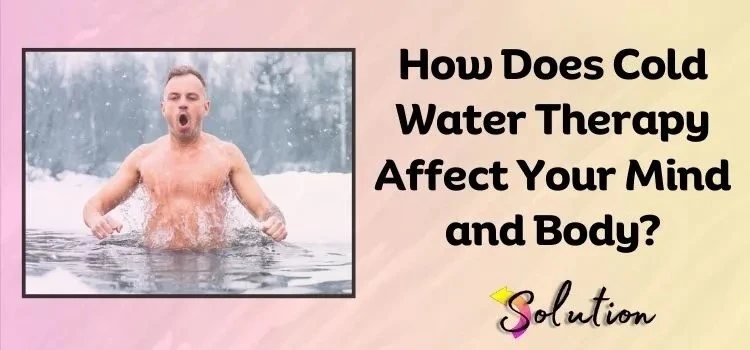

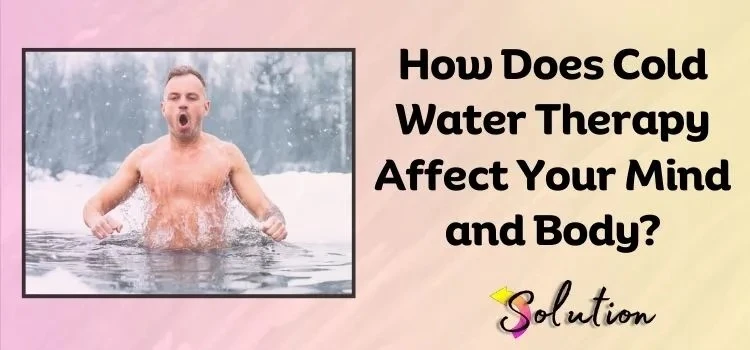
Cold water therapy has gained immense popularity in recent years, with athletes, wellness enthusiasts, and even medical professionals advocating for its numerous benefits. Whether you are looking to boost recovery, enhance mental clarity, or improve overall well-being, cold water therapy offers a natural and effective solution. In this blog, we will explore the science behind cold water therapy, its benefits, different methods, and essential precautions to ensure safe practice.
What is Cold Water Therapy?
Cold water therapy, also known as cold immersion therapy or hydrotherapy, involves exposing the body to cold water (typically below 15°C or 59°F) for a set period. This practice has been used for centuries in various cultures, from Nordic ice baths to Japanese Misogi rituals, as a method to rejuvenate the body and mind.
The Science Behind Cold Water Therapy
When the body is exposed to cold water, it undergoes vasoconstriction, where blood vessels tighten to preserve core body temperature. Upon exiting the cold, vasodilation occurs, increasing blood flow and helping to flush out toxins. Additionally, cold exposure stimulates the release of endorphins, norepinephrine, and dopamine, leading to improved mood, reduced inflammation, and enhanced alertness.
Key Benefits of Cold Water Therapy
1. Accelerated Muscle Recovery
Cold immersion reduces muscle soreness and inflammation, making it a go-to recovery method for athletes. Studies show that cold water therapy can reduce delayed onset muscle soreness (DOMS) and improve overall muscle recovery after intense physical activity.
2. Enhanced Circulation and Immune System
The alternating process of vasoconstriction and vasodilation promotes healthy blood circulation, reducing the risk of cardiovascular diseases. Additionally, exposure to cold water has been linked to an increase in white blood cells, strengthening the immune system.
3. Mental Resilience and Stress Reduction
Cold water therapy challenges the body's stress response, training the nervous system to handle stress more efficiently. It triggers the release of endorphins and dopamine, improving mood, reducing anxiety, and enhancing overall mental clarity.
4. Increased Metabolism and Fat Loss
Cold exposure activates brown adipose tissue (BAT), which burns calories to generate heat. This process can lead to increased metabolism and fat loss over time, making cold water therapy a natural weight management tool.
5. Improved Sleep Quality
Regular cold exposure lowers cortisol levels and increases melatonin production, contributing to deeper, more restful sleep. Many individuals practicing cold water therapy report better sleep patterns and reduced nighttime restlessness.
Different Methods of Cold Water Therapy
1. Cold Showers
A simple and effective way to introduce cold water therapy into your routine is by gradually reducing the temperature of your daily shower. Start with lukewarm water and decrease the temperature for 30-60 seconds towards the end.
2. Ice Baths (Cold Immersion)
Ice baths involve submerging the body in cold water between 50-59°F (10-15°C) for 5-15 minutes. This method is widely used by athletes for post-workout recovery.
3. Outdoor Cold Water Swimming
Swimming in natural cold bodies of water such as lakes, rivers, or the ocean offers an exhilarating experience while enhancing endurance and mental toughness.
4. Cryotherapy
A more advanced method, cryotherapy involves exposure to extremely cold temperatures (-110°C to -160°C) for a few minutes in specialized chambers. This is popular among professional athletes and wellness seekers.
Precautions and Safety Tips
While cold water therapy has numerous benefits, it is essential to practice it safely:
- Start Gradually: If you are new to cold exposure, begin with short durations and gradually increase the time as your body adapts.
- Listen to Your Body: Avoid overexposure, as prolonged cold exposure can lead to hypothermia or cold shock.
- Consult a Doctor: If you have underlying health conditions such as heart disease, hypertension, or respiratory issues, seek medical advice before practicing cold therapy.
- Warm Up After: Always gradually warm up after a cold session with warm clothes, blankets, or light exercise.
Final Thoughts
Cold water therapy is a powerful natural practice that enhances physical and mental well-being. Whether you are looking to recover faster, boost resilience, or simply challenge yourself, incorporating cold exposure into your routine can lead to transformative results. As with any wellness practice, consistency and safety are key.
Read also : Onelane Solution



























Sign in to leave a comment.