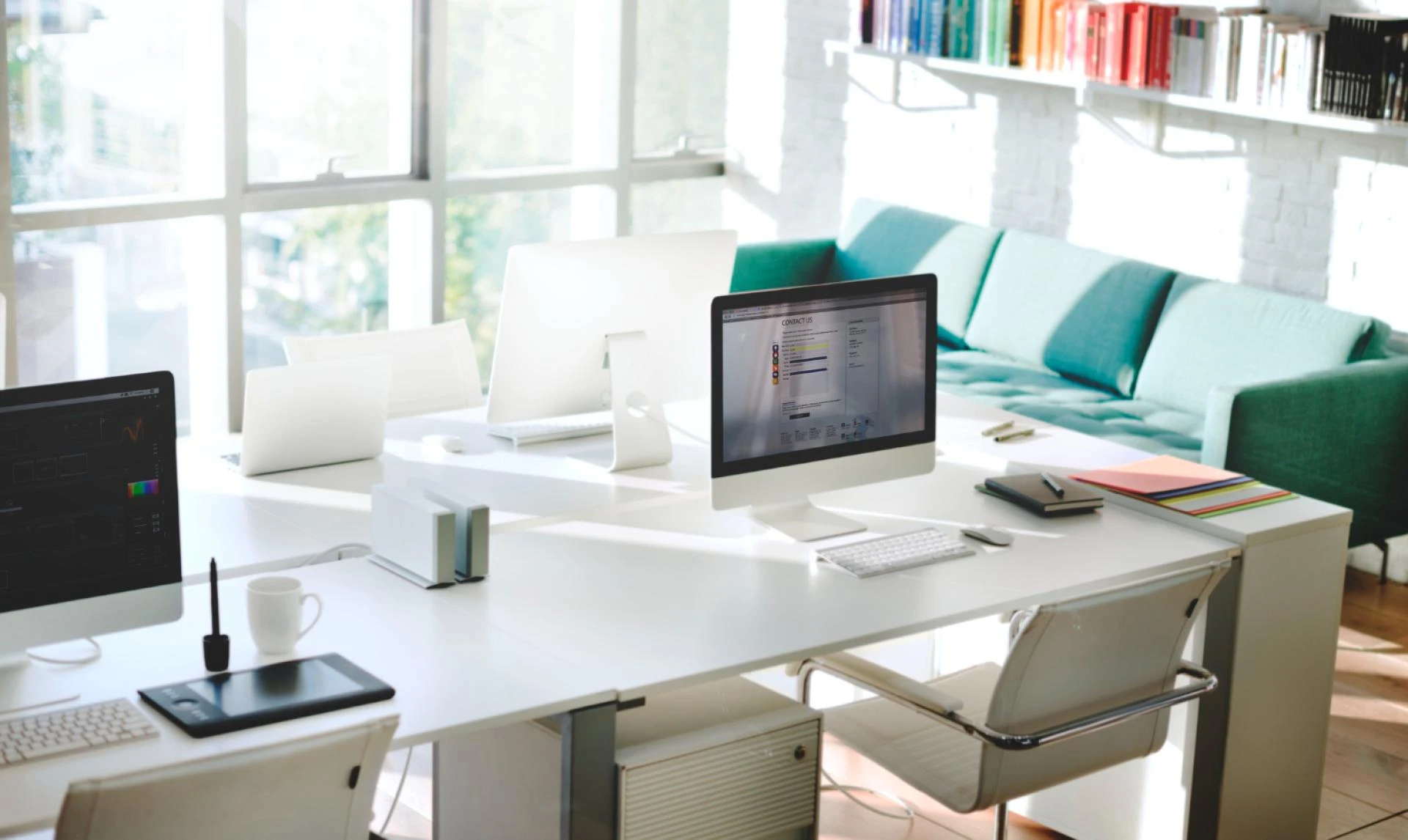

Modern businesses are rapidly evolving, and so are their workspace needs. The traditional static office layout is giving way to more dynamic, flexible solutions. Modular office furniture is at the forefront of this transformation, offering adaptability, cost efficiency, and sustainability. By utilizing modular furniture systems, businesses can seamlessly adjust their workspace without the need for expensive renovations or new purchases.
In this article, we explore the benefits of modular office furniture, its impact on modern work environments, and how businesses can leverage it to create a productive and inspiring workplace.
What is Modular Office Furniture?
Modular office furniture consists of individual components such as tables, shelves, and room dividers that can be rearranged or replaced to suit evolving needs. Unlike traditional furniture, which is fixed in design and placement, modular solutions provide an opportunity for businesses to reinvent their office space continuously.
With modular furniture, organizations can quickly adapt to workplace trends like hot-desking, collaborative spaces, and activity-based working. This ensures efficiency, enhances team interactions, and promotes a dynamic work culture.
Advantages of Modular Office Furniture
1. Adaptability to Changing Needs
Businesses grow, teams expand, and priorities shift. Modular office furniture allows companies to keep up with these changes effortlessly. Whether scaling up or downsizing, modular systems can be adjusted without replacing entire setups, ensuring a smooth transition.
2. Cost-Effective Solution
Investing in modular office furniture reduces long-term costs. Since individual components can be reconfigured or replaced, companies save money on purchasing entirely new setups. This also eliminates the need for frequent office renovations, lowering operational expenses.
3. Enhanced Collaboration and Productivity
Open-plan offices and collaborative workspaces are becoming the norm. Modular office furniture facilitates this by enabling easy configuration of workstations, meeting areas, and brainstorming zones. Employees can work in spaces tailored to their tasks, enhancing engagement and productivity.
4. Sustainability and Eco-Friendliness
Sustainability is a growing concern for businesses today. Modular furniture minimizes waste by reducing the need for frequent replacements. Many modular systems use sustainable materials, making them an eco-friendly choice that aligns with corporate social responsibility initiatives.
5. Customization for Unique Work Environments
Every company has its own work culture and requirements. Modular office furniture offers customization options to reflect a brand’s identity. From ergonomic chairs to adjustable desks and movable partitions, businesses can create personalized environments that boost employee satisfaction.
Key Modular Office Furniture Pieces for a Flexible Workspace
1. Modular Desks and Workstations
Modular desks can be rearranged to form collaborative clusters or individual workspaces. They come with adjustable height settings, built-in storage, and customizable layouts, making them ideal for hybrid workplaces.
2. Shelving and Storage Units
Modular shelving systems help maintain organization while maximizing space utilization. These units can be reconfigured to fit changing storage needs, ensuring a clutter-free environment.
3. Mobile Room Dividers
Room dividers are essential for creating distinct work zones without constructing permanent walls. Modular dividers can be moved or restructured based on evolving workspace requirements, fostering both privacy and collaboration.
4. Ergonomic Seating Solutions
Ergonomics play a crucial role in employee well-being. Modular seating options, including adjustable chairs and modular sofas, provide comfort while complementing the office’s overall aesthetic.
5. Multi-Purpose Meeting Spaces
Conference rooms no longer need to be fixed in one location. Modular tables and chairs allow for quick transformation of a space from a formal meeting room to a casual brainstorming area.
Modular Office Furniture and Workplace Trends
1. Hot-Desking and Hybrid Workspaces
With remote work becoming increasingly common, many businesses are adopting hot-desking policies. Modular office furniture makes it easy to create shared workstations that accommodate different employees on different days.
2. Activity-Based Working (ABW)
Activity-based working is a concept that allows employees to choose their workspace based on their tasks. Modular office furniture supports ABW by providing flexible setups for focused work, collaboration, relaxation, and meetings.
3. Technology-Integrated Workstations
Modern offices rely heavily on technology. Modular office furniture incorporates features such as built-in charging ports, cable management solutions, and adjustable lighting to support a tech-friendly work environment.
How to Choose the Right Modular Office Furniture
1. Assess Workplace Needs
Before investing in modular office furniture, businesses must evaluate their workspace needs. Consider factors such as team size, workflow, and the nature of daily operations.
2. Focus on Quality and Durability
Not all modular furniture is created equal. Choose high-quality materials that ensure durability and longevity. Investing in well-constructed furniture prevents frequent replacements and maintenance costs.
3. Prioritize Flexibility and Scalability
Select furniture that can easily adapt to future changes. Modular systems should be expandable and adjustable to accommodate business growth and evolving work dynamics.
4. Incorporate Ergonomic Design
Employee well-being is crucial for productivity. Ergonomic furniture solutions reduce strain and discomfort, leading to better focus and overall work performance.
5. Maintain Aesthetic Appeal
An office should be both functional and visually appealing. Choose modular pieces that complement the company’s branding and create a welcoming atmosphere for employees and clients.
Conclusion
The workplace is no longer confined to rigid layouts and fixed furniture. Modular office furniture is revolutionizing how businesses design their spaces, offering unmatched flexibility, cost-effectiveness, and sustainability. As organizations continue to embrace hybrid work models, collaborative environments, and ergonomic solutions, modular office furniture will remain a vital component of the modern workspace.
By investing in adaptable and high-quality modular solutions, businesses can create a dynamic and inspiring environment that supports both employee well-being and operational efficiency. Whether it’s a startup looking for scalable solutions or an established company optimizing its workspace, modular office furniture is the key to a smarter, more agile office setup.






























Sign in to leave a comment.