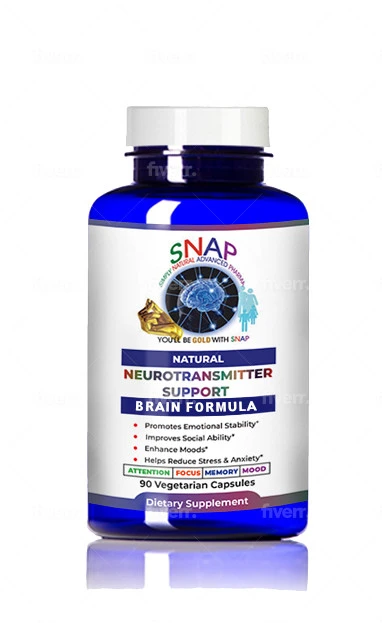

Vitamin B-6, also called pyridoxine, is like a superhero nutrient involved in many essential functions in our body, like making neurotransmitters, supporting our immune system, and helping with metabolism. When we don't get enough of it, there can be various health issues. Interestingly, recent studies are hinting at a connection between not having enough Vitamin B-6 and some neurodevelopmental disorders like ADHD and ODD, which stands for Oppositional Defiant Disorder.
play a significant role, and among them, Vitamin B-6 is a crucial player in the production of neurotransmitters, the brain's messengers controlling mood, attention, and impulse control. An imbalance in these neurotransmitters leads to challenges like impulsivity, hyperactivity, and difficulty focusing. This analysis explores the intricate relationship between Vitamin B-6 deficiency and the manifestation of ADD and ODD, shedding light on the role of vitamins in these disorders and how they influence thinking and behavior.
The Impact of Vitamin B-6 Deficiency on ADD
ADHD is a condition of neurodevelopment marked by enduring patterns of inattention, hyperactivity, and impulsiveness. Recent studies have explored the connection between Vitamin B-6 deficiency and the severity of ADHD symptoms. These particular vitamins are essential for the conversion of tryptophan into serotonin, a neurotransmitter implicated in mood regulation. Insufficient vitamin levels may compromise this conversion, potentially contributing to the emotional dysregulation observed in individuals with ADD.
Moreover, B complex vitamins are involved in dopamine synthesis, a neurotransmitter crucial for attention and focus. Deficient levels of Vitamin B-6 may impact dopamine production, exacerbating the cognitive deficits associated with ADD. Addressing this deficiency through supplementation or dietary modifications may offer a novel approach to managing ADHD symptoms, potentially complementing conventional treatments.
The Nexus between Vitamin B-6 Deficiency and ODD
Oppositional Defiant Disorder is identified by an enduring pattern of behavior marked by irritability, defiance, and disobedience directed toward authority figures. While the exact etiology of ODD remains multifaceted, research suggests a potential connection between the deficiency and the behavioral manifestations of this disorder.
Vitamin B6 is integral in the synthesis of GABA, an inhibitory neurotransmitter that modulates anxiety and aggression. Individuals with ODD often exhibit heightened levels of aggression and defiance, which may be linked to imbalances in GABA levels. By addressing the deficiency, there is a possibility of positively influencing GABA synthesis, potentially mitigating the aggressive behaviors associated with ODD.
Impact on Cognitive Function and Academic Performance
Both ADHD and ODD can significantly impact cognitive function and academic performance. Vitamin B-6 deficiency, by exacerbating the symptoms of these disorders, may further contribute to academic challenges. Cognitive processes such as attention, memory, and executive functions are intricately linked to neurotransmitter balance, making Vitamin B-6 crucial for optimal cognitive performance.
Addressing Vitamin B-6 Deficiency: Dietary and Supplemental Approaches
To mitigate the impact of Vitamin B-6 deficiency on ADD and ODD, addressing nutritional gaps is paramount. A balanced diet rich in vitamin B6 sources such as poultry, fish, potatoes, and fortified cereals can contribute to maintaining adequate levels. However, in cases of deficiency or difficulty in meeting nutritional requirements, supplementation may be considered under the guidance of healthcare professionals.
The link between the deficiency and neurodevelopmental disorders like ADD and ODD is promising for therapeutic interventions. Recognizing Vitamin B-6's role in neurotransmitter synthesis and its impact on cognitive and behavioral functions emphasizes the importance of nutritional strategies in managing these disorders. Vitamins for ADHD and ODD are gaining attention as contributors to holistic approaches. Further research is required to understand the intricate mechanisms and efficacy of interventions targeting the deficiency in the context of ADD and ODD.




























Sign in to leave a comment.