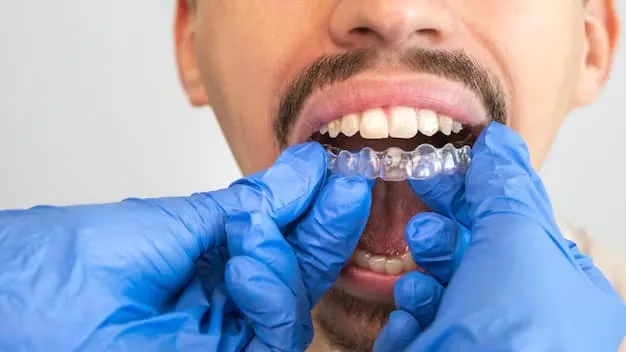

Many people think about straightening their teeth for a long time before actually starting. The idea stays in the back of their mind, something to do “later.”
One of the biggest reasons behind this delay is the perceived Invisalign cost. It’s not always just about affordability. Often, it’s about how people think about the cost.
Understanding the psychology behind this hesitation can help explain why treatment gets postponed for years, and what can change that.
The “I’ll Do It Later” Mindset
For many adults, orthodontic treatment feels optional rather than urgent.
Even when someone is aware of alignment issues, they may not feel immediate pressure to act. The Invisalign cost becomes something they plan to deal with “someday,” rather than now.
This delay isn’t always logical. It’s often driven by competing priorities, work, family, or other expenses that feel more immediate.
Cost vs. Perceived Value
One key factor is how people view the value of treatment.
If the Invisalign cost is seen as purely cosmetic, it’s easier to postpone. People may think, “My teeth are fine,” even if there are underlying concerns.
But orthodontic care can also improve:
- Bite alignment
- Oral hygiene
- Long-term dental health
When the value is not fully understood, the cost feels harder to justify.
The Fear of a Large Upfront Expense
Even when payment plans are available, many people focus on the total number.
The Invisalign cost can feel like a big commitment, especially when compared to smaller, routine expenses. This creates hesitation.
Instead of breaking the cost into manageable parts, the mind often sees it as one large decision, making it easier to delay.
Overestimating the Cost
Another common issue is assumption.
Some people delay treatment because they believe the Invisalign cost is higher than it actually is. Without a consultation, they rely on general estimates or outdated information.
This uncertainty can stop them from even exploring their options.
In many cases, simply getting accurate information changes how the cost is perceived.
Decision Fatigue and Avoidance
Orthodontic treatment involves several decisions: choosing a provider, understanding the plan, and committing to a timeline.
For some, this process feels overwhelming. The Invisalign cost becomes one more factor in an already complex decision.
Instead of working through it, people often choose to delay the decision altogether.
This kind of avoidance is common in situations that involve both time and money.
The “Future Self” Problem
People often believe they’ll be more ready in the future, financially or mentally.
They think:
- “I’ll start after this year.”
- “I’ll wait until things settle down.”
- “I’ll do it when I have more savings.”
But this future point keeps shifting. The Invisalign cost remains the same concern, just pushed further down the timeline.
Meanwhile, the benefits of starting earlier are delayed.
Social and Emotional Factors
Confidence plays a role in this decision.
Some people feel self-conscious about their teeth but have learned to live with them. Over time, the issue becomes normalized.
The Invisalign cost then feels like a step outside their comfort zone, even if they would benefit from treatment.
This emotional factor is often stronger than the financial one.
What Changes the Decision
Despite years of delay, many people eventually move forward. What shifts?
1. A Specific Trigger
A job change, event, or personal milestone can create urgency. Suddenly, the Invisalign cost feels more manageable compared to the opportunity.
2. Better Understanding
When people learn what’s included and how treatment works, the cost feels more reasonable.
3. Flexible Payment Options
Breaking the Invisalign cost into smaller payments can make it easier to commit.
4. Long-Term Thinking
Instead of focusing on the immediate expense, some begin to consider the long-term benefits.
Why Delaying Can Cost More
Waiting doesn’t just delay results; it can sometimes increase complexity.
Teeth can shift further over time, which may require more aligners or longer treatment. This can affect the overall Invisalign cost.
Starting earlier can simplify the process in some cases.
Making a More Informed Decision
Understanding the psychology behind hesitation can help people move forward more confidently.
Instead of focusing only on the Invisalign cost, it helps to ask:
- What am I gaining from treatment?
- What happens if I keep delaying?
- Do I have accurate information about pricing?
These questions shift the focus from fear to clarity.
Final Thoughts
The hesitation around Invisalign cost is rarely just about money. It’s a mix of perception, timing, and decision-making habits.
For many, the delay comes from uncertainty rather than true financial limitation.
Once the cost is understood in context, and broken down into manageable steps, it often feels less overwhelming.
In the end, moving forward is less about waiting for the “perfect time” and more about having the right information to make a confident choice.





























Sign in to leave a comment.