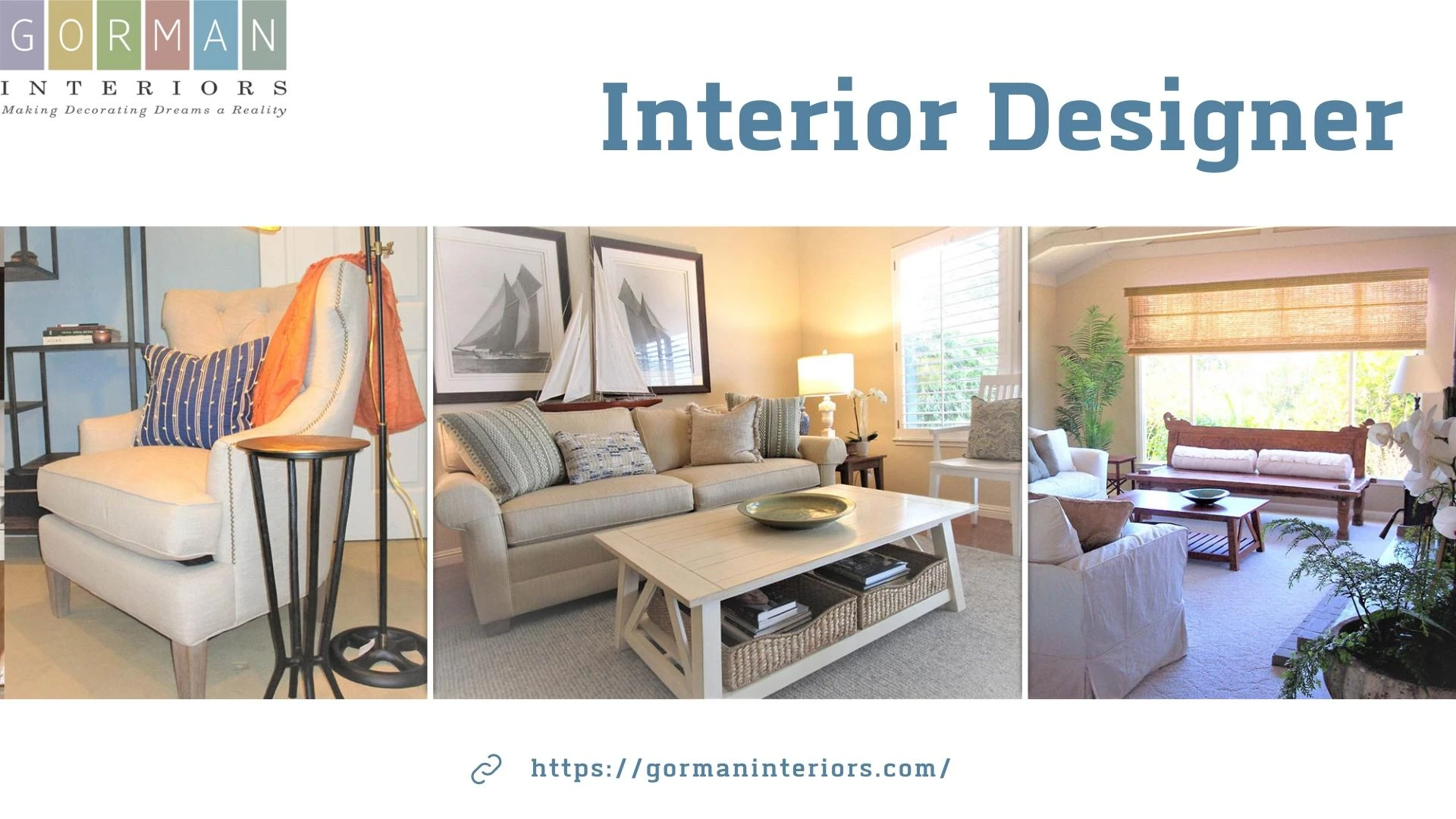

The intimate relationship between our environments and our mental well-being cannot be overstated. Interior design, once perceived merely as an aesthetic pursuit, is now being recognised for its profound impact on our psychological state and productivity levels. This burgeoning field, where artistry meets science, demonstrates that the colours, textures, and layout of our spaces deeply influence how we feel, think, and perform.
The Science of Colour
Colour psychology is a pivotal aspect of interior design in San Jose, and elsewhere that can evoke a spectrum of emotions. Studies have shown that different hues can have specific effects on our mood and energy levels. For instance, blue, often associated with calmness and serenity, can lower heart rate and reduce stress, making it an excellent choice for bedrooms or offices. In contrast, yellow, reminiscent of sunshine, can evoke feelings of happiness and creativity, but, in overabundance, may lead to feelings of irritation.
Understanding the psychological implications of colour enables interior designers to craft spaces tailored to the desired emotional response, whether it's a calming retreat or a vibrant space that stimulates creativity.
Texture and Materiality: Beyond the Surface
The textures and materials we surround ourselves with can significantly affect our comfort and mood. Natural materials like wood and stone can bring a sense of groundedness and warmth into a space, promoting relaxation and reducing anxiety. Meanwhile, the inclusion of soft textures, through elements such as plush rugs or velvet cushions, can create a comforting and secure atmosphere that nurtures well-being.
Incorporating a variety of textures not only adds depth and interest to a space but also subconsciously conveys a sense of harmony and balance, enhancing both mental comfort and aesthetic appeal.
Space Layout: The Blueprint of Interaction
The arrangement of furniture and the layout of a room can greatly influence our behaviour and emotional state. Open floor plans, for example, encourage interaction and collaboration, making them ideal for family living areas or collaborative workspaces. Conversely, more defined spaces can provide a sense of security and privacy, essential for concentration and introspection.
Proper utilization of space can also affect our productivity. A well-organised and clutter-free environment is pivotal in reducing distractions and fostering focus, while strategically placed furniture can enhance workflow and ease of movement.
Lighting: Illuminating Well-Being
Lighting plays a crucial role in shaping the atmosphere of a space, affecting not only visual perceptions but also our circadian rhythms. Natural light, celebrated for its ability to boost mood and energy levels, is a prized element in interior design. Exposure to daylight has been linked to increased productivity and overall happiness.
When natural lighting is scarce, the selection of artificial lighting becomes paramount. Warmer tones can create a cosy and relaxing environment, while cooler tones mimic daylight, enhancing concentration and alertness.
Personalization: Reflecting the Self
One of the most poignant aspects of interior design lies in its capacity for personalization. Spaces that reflect an individual’s personality, interests, and values not only foster a sense of identity but also contribute to a feeling of belonging and security. Personal touches, whether through artwork, photographs, or cherished mementoes, turn a space into a sanctuary that resonates on a deeply personal level.
Designing for Productivity and Wellness
Integrating principles of psychology into interior design not only elevates the aesthetic of a space but also optimizes it for mental health and productivity. A well-designed workspace can diminish stress, energize the mind, and enhance focus, leading to greater efficiency and job satisfaction. Similarly, a home thoughtfully curated to support relaxation and rejuvenation becomes a haven that replenishes energy and nurtures well-being.
Final Thoughts:
The psychology of spaces underscores the transformative power of interior design. It’s a reminder that our environments are not passive backdrops to our lives but active participants in our daily experience. By mindfully crafting our spaces to support our emotional and psychological needs, we unlock the potential for deeper satisfaction, better health, and enhanced productivity.
In a world where the lines between work and home are increasingly blurred, understanding and applying the principles of psychological well-being through well-thought-out interior design services in San Jose becomes not just a luxury but a necessity. It's an investment in our mental health, our work, and, ultimately, our happiness.
































Sign in to leave a comment.