
There is a specific kind of guilt that comes with certain purchases. Not the obvious regret of buying something completely wrong, but the quieter discomfort that follows buying something that almost worked. It fit well enough. It looked fine in the mirror. It made sense at the moment. And yet, once it entered the closet, something felt unresolved.
This kind of guilt is subtle. It does not announce itself loudly. Instead, it lingers in the background, surfacing every time the item is passed over in favor of something else. The problem is not that the item is bad. The problem is that it never quite becomes part of you.
Often, these purchases are made during moments of uncertainty. A sale rack, a rushed decision, a desire to feel updated or corrected. The item promises alignment, or at least proximity to it. It suggests that with one more piece, something about the wardrobe or even the self will finally click into place. But that click rarely happens.
What makes this guilt complicated is that it is hard to justify. From the outside, the purchase seems reasonable. There is no dramatic mistake to point to. No clear reason to return it. And so the responsibility quietly shifts inward. Instead of questioning the system that encourages constant buying, the individual questions their own judgment.
Over time, these “almost right” items accumulate. They take up space, both physical and mental. Each one represents a small compromise, a moment where intuition was overridden by expectation. The result is not a wardrobe full of disasters, but one filled with hesitation.
This hesitation often has less to do with taste and more to do with permission. Many people learn to shop by external cues rather than internal ones. Trends, influencers, social validation, and even imagined versions of future selves all play a role. In that environment, it becomes easy to mistake approval for alignment.
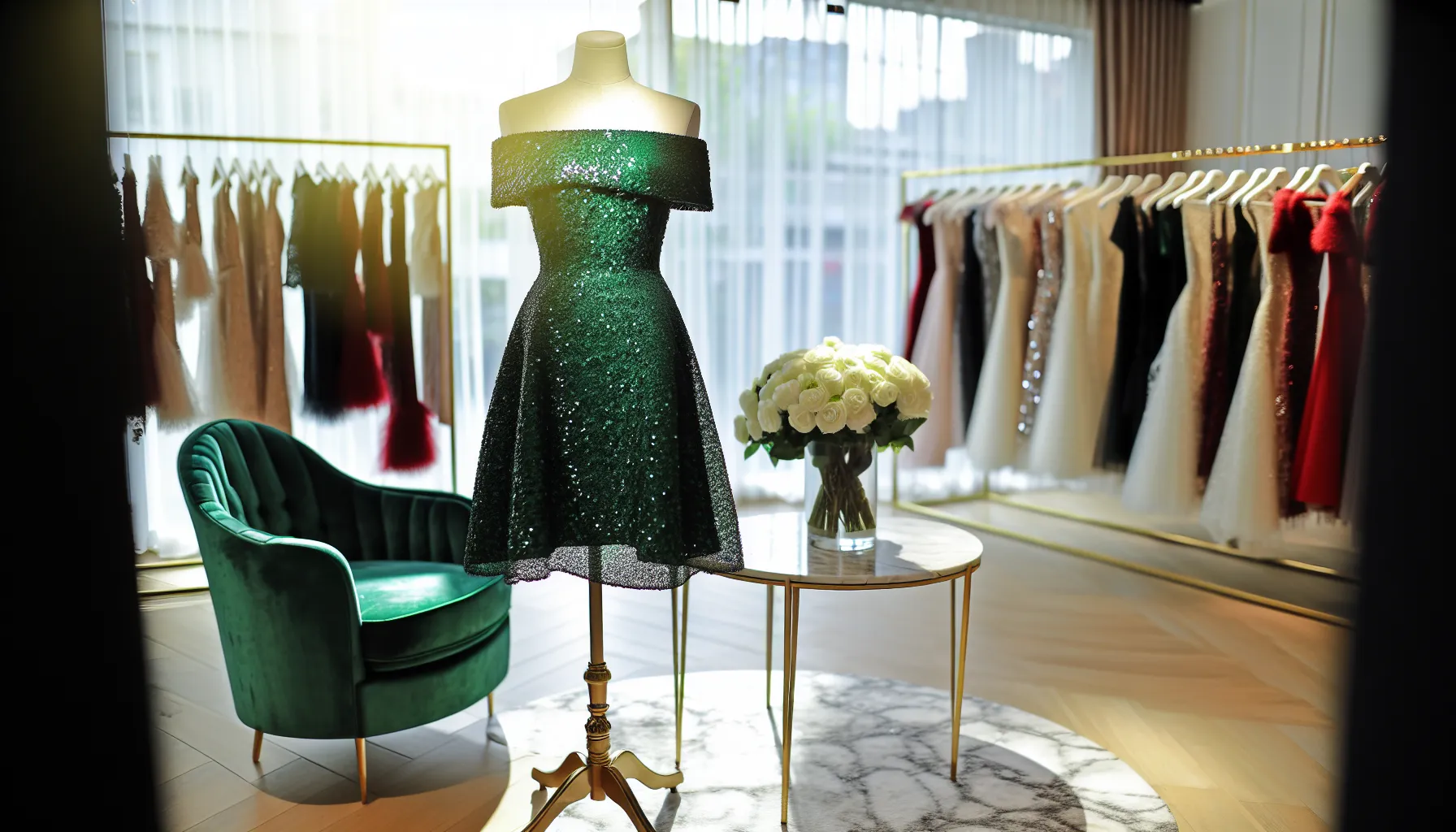
The guilt intensifies when the item carries symbolic weight. A jacket bought to feel more confident. Shoes purchased to signal professionalism. A dress chosen because it seemed like the kind of thing someone “should” own. When these items fall short emotionally, the disappointment feels personal.
What is rarely discussed is how common this experience is. The language around fashion often centers on extremes. Either something is perfect or it is a mistake. But most purchases live in the middle. They are fine. Acceptable. Almost convincing. And yet, they quietly teach us something important about how we relate to choice.
That lesson often emerges slowly. After enough near misses, some people begin to pause. They shop less impulsively. They stop trying to correct themselves through clothing. Instead of asking whether something looks right, they ask whether it feels right. This shift does not lead to perfection, but it does reduce friction.
Understanding personal style is less about defining a fixed aesthetic and more about recognizing patterns of comfort and resistance. It is about noticing which items are worn repeatedly without effort and which ones require justification. Reflections like these are explored in broader discussions on identity and clothing, such as How to Find Your Unique Style, where the focus moves away from rules and toward self-recognition.
When guilt fades from the buying process, something else takes its place. Clarity. Or at least honesty. Fewer items enter the closet, but those that do arrive with less expectation attached to them. They are allowed to simply exist, rather than perform.
The quiet guilt of buying something that almost felt right is not a failure. It is a signal. A reminder that alignment cannot be outsourced, and that intuition deserves more trust than trends. Over time, listening to that signal can transform not only how people dress, but how they choose in general.
In the end, style becomes less about correction and more about acceptance. And the closet, once crowded with compromise, begins to reflect something simpler and more stable. Not perfection, but coherence.




























Sign in to leave a comment.