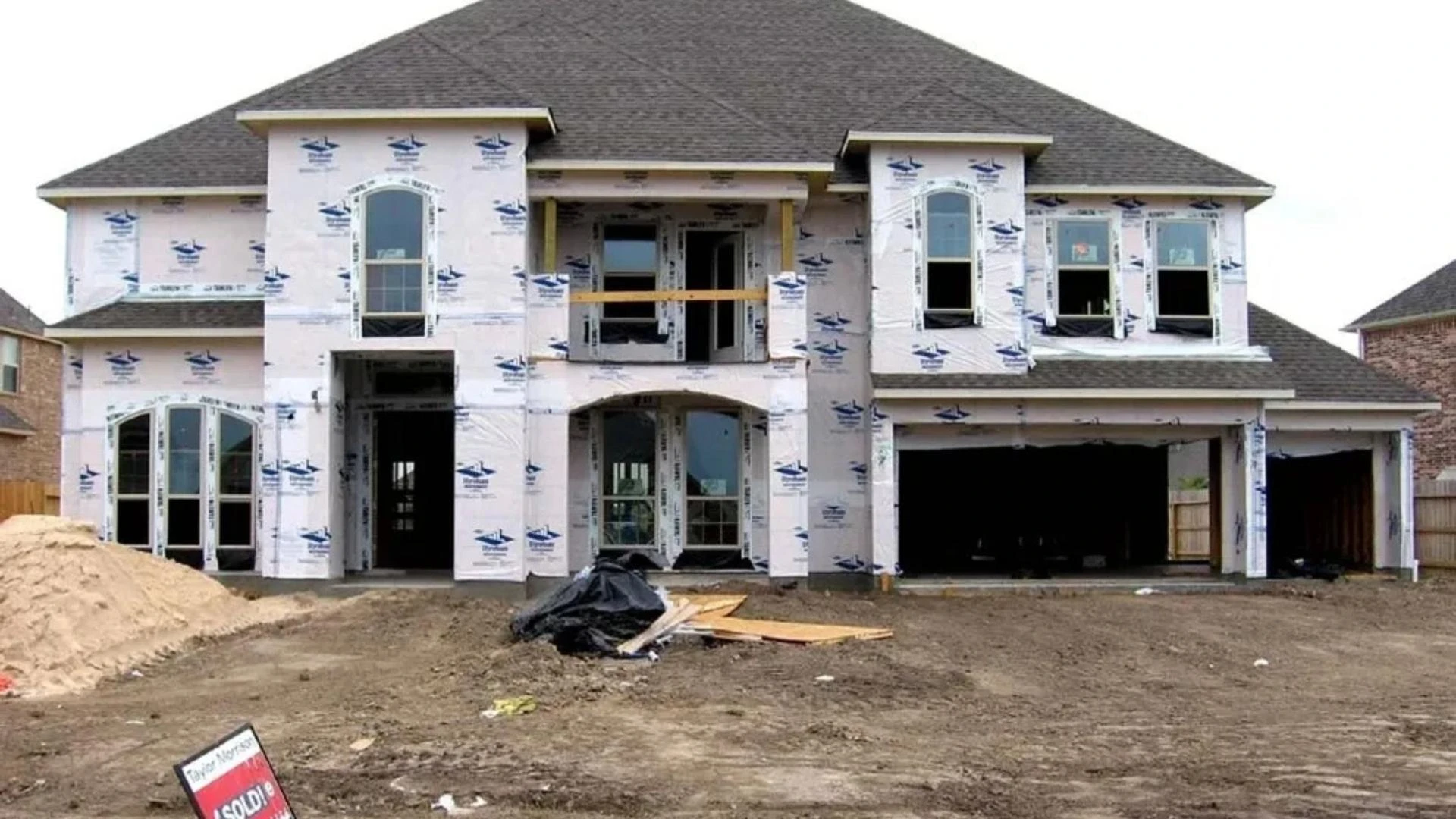

The House That Thinks Back
Imagine a house as a long-lived machine, quietly collecting data long before smart sensors were fashionable. Floors remember pressure, walls remember weather, foundations remember the soil they were born into. Nothing here is dramatic, but everything is recorded. In an era obsessed with speed and visibility, the most important signals are often the slow ones. This is where structural home inspection and structural inspection step in, not as panic buttons, but as instruments of interpretation, helping us read what buildings already know about themselves.
The Slow Intelligence of Buildings
We tend to think of structures as static, fixed, finished. In reality, buildings behave more like living systems. They respond to moisture, temperature, gravity, time. They adapt, settle, resist, and sometimes quietly protest.
A hairline crack in drywall is not a scream. It is closer to a whisper. On its own, it means very little. In context, it can mean everything. This is the fundamental difference between casual observation and a true structural inspection. One reacts to what looks wrong. The other asks why something looks the way it does.
In today’s housing market, that distinction matters more than ever. Homes are changing hands faster, renovations are more aggressive, and climates are less predictable. The question is no longer whether structures move, they always have. The question is whether that movement tells a story of normal behaviour or emerging risk.
Why Visual Assurance Is No Longer Enough
Modern consumers are visually sophisticated. We read reviews, compare finishes, spot cosmetic flaws quickly. But buildings do not fail where they are prettiest. They fail where forces accumulate quietly.
A structural home inspection does not reward surface-level confidence. It prioritizes load paths, foundation interaction, framing continuity, and long-term performance. It looks at how a house holds itself together when no one is watching.
This matters because many of today’s most expensive mistakes come from overconfidence. A flipped home with flawless finishes may hide unresolved movement. A well-kept property may carry decades of deferred structural decisions. Without a deeper inspection lens, buyers and owners are often rewarded for optimism rather than understanding.
Inspection as Translation, Not Alarm
There is a misconception that structural inspections exist to deliver bad news. In reality, their most valuable function is translation.
A crack is data. A slope in the floor is information. An old repair is a historical record. The role of a structural inspection is to interpret that data in sequence and scale. Is the behaviour active or historic? Progressive or seasonal? Cosmetic or structural?
This approach mirrors how modern medicine has evolved. We no longer assume every symptom is a catastrophe. We analyse patterns. We monitor change. We understand baseline behaviour before recommending intervention.
Good inspection thinking does the same for buildings. It replaces fear with context and replaces assumptions with evidence.
Culture, Real Estate, and the Cost of Not Knowing
There is something deeply cultural about how we treat buildings. In fast-growth cities and hot markets, houses are often reduced to assets and timelines. How quickly can it sell? How much can it appreciate?
But structures do not respond to speculation. They respond to physics.
As remote work reshapes where people live and extreme weather reshapes how buildings age, the margin for structural ignorance continues to shrink. A structural home inspection becomes less of a transactional step and more of a strategic one.
It informs renovation plans. It sets realistic budgets. It determines whether a home should be adapted, reinforced, or left alone. Most importantly, it aligns expectations with reality, something the housing world does not always do well.
The Future Feels Quieter, Not Louder
The future of inspection is not about more noise, bigger reports, or scarier language. It is about precision. Fewer assumptions. Better baseline data. Clearer explanations.
As technology accelerates, the role of professional judgment becomes more valuable, not less. Sensors can measure movement, but they cannot explain intent. Software can calculate loads, but it cannot contextualize history.
The human element in structural inspection remains irreplaceable because buildings exist in human environments. They carry design choices, construction shortcuts, climate exposure, and maintenance habits that no algorithm fully understands yet.
In that sense, structural inspections feel quietly futuristic. They are about listening rather than reacting. Reading rather than guessing.
What the Building Is Already Telling You
Every structure is already in conversation with time. The question is whether anyone is listening closely enough. A thoughtful structural home inspection does not interrupt that dialogue, it joins it. It acknowledges that stability is not about perfection, but about awareness and response. In a world that rewards speed, choosing to slow down and understand how a building truly behaves is a rare advantage. Not dramatic. Not flashy. Just deeply intelligent. And sometimes, that quiet intelligence is what protects everything else built on top of it.
Sign in to leave a comment.