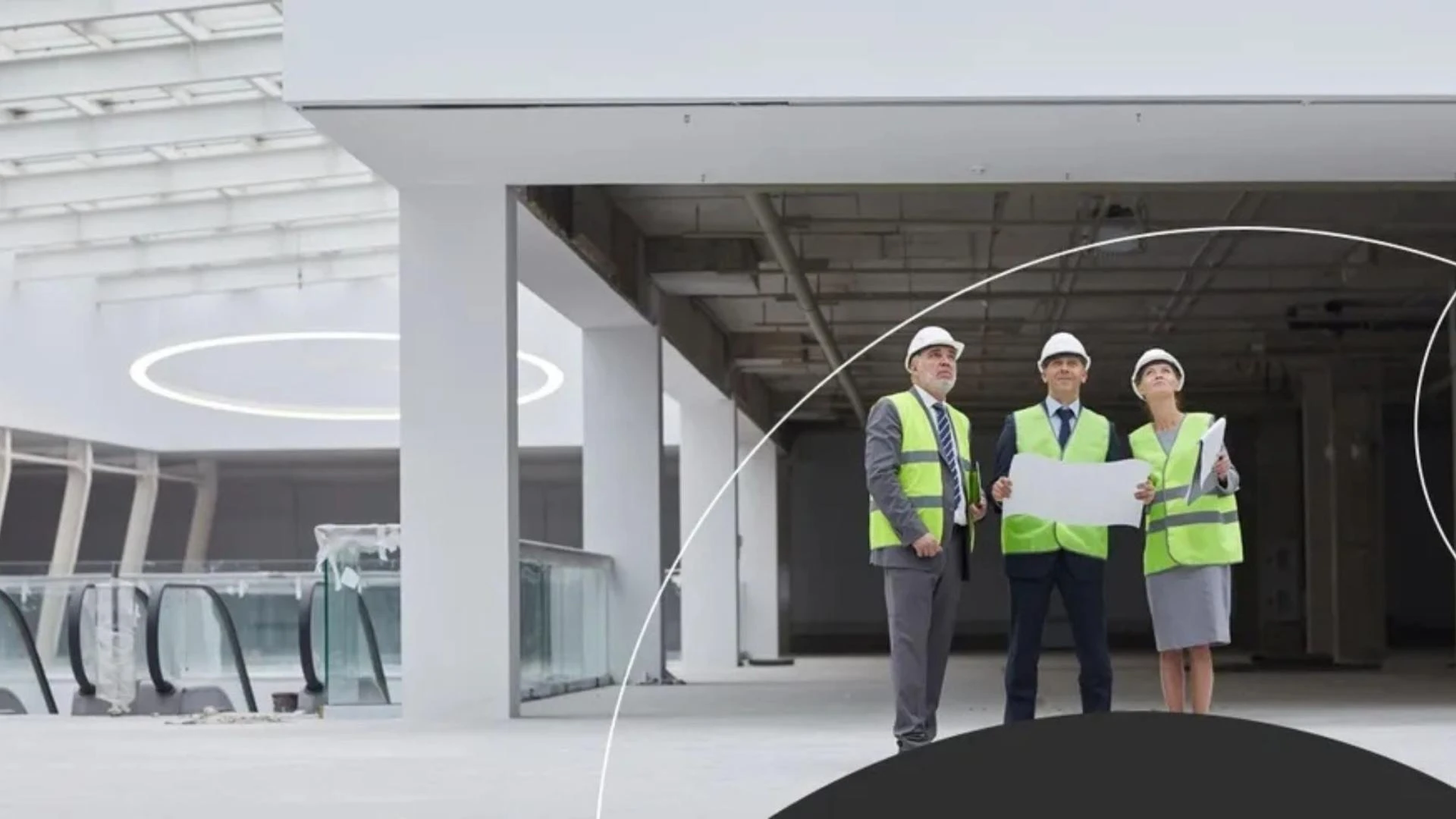

When Steel and Stone Tell Their Stories
In a near-future city, skyscrapers whisper to those who know how to listen. Sensors embedded in concrete relay data to neural algorithms that can predict structural fatigue before the human eye can detect a crack. It might sound like science fiction — yet this is exactly where forensic structural engineering is headed.
In a world that rebuilds faster than it reflects, forensic structural engineers are the quiet custodians of truth — uncovering how and why structures fail, and how they can stand stronger in the years ahead.
Reconstructing the Past to Protect the Future
Every structure carries a story. Some tell tales of endurance; others reveal the quiet miscalculations or material fatigue that precede collapse. A forensic structural engineer reads these stories through data, materials, and geometry — tracing cause and effect with the precision of a surgeon and the curiosity of a detective.
When a bridge buckles or a high-rise wall gives way, the first step isn’t demolition — it’s investigation. What combination of design decisions, environmental pressures, and human oversight led to failure? These aren’t just academic questions. They’re the foundation for safer design standards, smarter materials, and urban environments that age gracefully instead of dangerously.
The Rise of Intelligent Forensics
In 2025, the field is transforming. Artificial intelligence, drone-based inspections, and 3D-printed modeling are rewriting how investigations unfold. A decade ago, a forensic structural engineering report might take months of manual surveys and data reconstruction. Today, it can be done in days — with LIDAR scans, sensor data, and predictive analytics all feeding into the same digital twin.
But the human touch still matters. Technology accelerates answers, but only experience provides judgment. A seasoned forensic structural engineer interprets data in context — understanding when numbers reveal a pattern or merely an anomaly. It’s the synthesis of art and analytics that separates a good report from a transformative one.
Beyond the Rubble: Where Insight Meets Prevention
Forensic investigation isn’t about blame — it’s about learning. Each project becomes a living classroom for architects, builders, and policymakers. From hurricane-ravaged coastal buildings to aging civic bridges, every post-incident analysis pushes construction science forward.
The real magic lies in translation. When engineers can turn technical findings into actionable insight for city planners, insurers, and safety regulators, the ripple effect is profound. Policies evolve. Building codes improve. Future lives are saved before a single brick is laid.
That’s the essence of modern forensic structural engineering — not just solving yesterday’s problems, but forecasting tomorrow’s risks.
A New Era of Accountability and Innovation
Today’s consumers and corporations alike demand transparency. After every public collapse or infrastructure failure, the question is no longer “who built it?” but “who evaluated it?” The role of a forensic structural engineer now extends beyond crisis response. It’s becoming a pillar of sustainable design and ethical construction — ensuring that safety, not speed, drives progress.
As cities grow denser and weather patterns more unpredictable, engineers are also collaborating with environmental scientists and data analysts to predict stress points long before they appear. It’s a shift from reaction to anticipation — from reconstruction to resilience.
How Businesses Benefit from Engineering Foresight
For real estate developers, insurers, and even municipalities, investing in forensic structural engineering isn’t a cost — it’s a safeguard. It reduces liability, supports litigation when necessary, and guides proactive maintenance. The insights derived from one structural audit can prevent millions in future damages.
Think of it as the “wellness check” for the built environment. You wouldn’t wait for symptoms to see a doctor — and forward-thinking companies no longer wait for visible damage to consult a forensic expert.
The Takeaway: The Future Listens to the Past
Every beam, joint, and foundation holds a record of its making. The future of our infrastructure depends on how well we interpret those records. Forensic structural engineers are not merely responders to disaster — they are the translators between material memory and human responsibility.
Their work ensures that the next skyline isn’t just taller, but wiser.
In a century defined by reconstruction — of cities, systems, and values — that might be the most essential profession of all.



























Sign in to leave a comment.