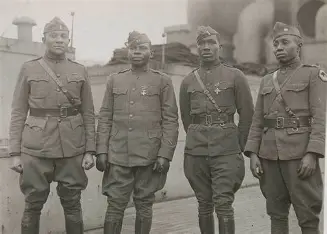
Photo Courtesy Thomas Bradley
We often read about history happening in famous places. For the story told in Thomas Bradley's powerful book Marching Without Applause, that place is Fort Des Moines. Most people know it only as the camp where the first Black officers in United States history trained for World War I. But the fort itself, and the city that surrounded it, held a deeper history. This history shaped the very experience of those pioneering men. To truly understand their journey, we must look beyond the parade grounds and barracks.
A Fort with a Past
Long before 1917, Fort Des Moines already held stories of service and change. The army established the post in 1901 on land just south of the growing city. Its original purpose was to serve as a cavalry post. For years, the sounds were of horses and the soldiers who tended them. The fort was a fixture, a piece of the Iowa landscape.
It also housed the all Black regiments of the 10th Cavalry, the famous "Buffalo Soldiers," for a time. This means that years before the officer training camp opened, the sight of Black soldiers in uniform was not completely new to the area. The fort itself was a silent witness to the nation's complex military history. This history included the service of Black men long before the country was willing to accept them as leaders. When the War Department needed a site for a radical new experiment, they chose a location with this existing, if complicated, connection to Black military service.
Des Moines in 1917: A City of Contrast
What was the city like outside the fort gates in that pivotal year of 1917? Des Moines was a growing capital city, a place of industry and state government. The Great Migration was bringing new residents, including African Americans seeking opportunity away from the harsh segregation of the South. By 1915, over 4,000 Black citizens called Des Moines home. They built communities, churches, and businesses.
Iowa had a reputation for progressive ideas. The state had voted to remove the word "white" from its constitution's voting requirements back in 1880. Yet, reality was more complex. Racial barriers still existed in quiet but powerful ways. Black residents often faced discrimination in finding housing and good jobs. Some theaters and restaurants practiced segregation. The city was a place of potential, but also of unspoken rules and limits. This was the environment that surrounded Fort Des Moines. The city was a microcosm of America itself, struggling to live up to its own ideals.
The Unseen Battle for Acceptance
This is the crucial context for the story in Marching Without Applause. The men training to become officers were not just learning military tactics. They were stepping into a nation and a community deeply conflicted about their role. Their presence at Fort Des Moines was a national event, but their daily reality was local.
The army, under pressure, issued orders that businesses serving the camp could not discriminate. This forced a change in some policies in Des Moines, however temporary or reluctant. The famous "White Sparrow" concert, where the cadets performed for the public, was a direct effort to bridge the gap between the camp and a wary citizenry. It was a performance of discipline designed to win respect. The fort was not an isolated bubble. It was a stage where the drama of race, citizenship, and courage played out for the entire city to see.
Thomas Bradley's book masterfully uses this setting. He shows us that the fight was not just against a distant enemy in Europe. It was a daily struggle for dignity in the streets and establishments of Des Moines. The fort's history and the city's climate made the officers' achievements even more remarkable. They were making history in a place that reflected the very country they sought to defend and change.
Walking the Ground Where History Happened
The next time you hear the name Fort Des Moines, remember it is more than a location in a history book. It was a cavalry post, a home to Buffalo Soldiers, and finally, the crucible where a new idea of American leadership was forged. The quiet streets of Des Moines and the rolling fields of Iowa formed the backdrop for a quiet revolution. The men of the 17th Provisional Training Regiment did not just train there. They changed the meaning of the place forever.
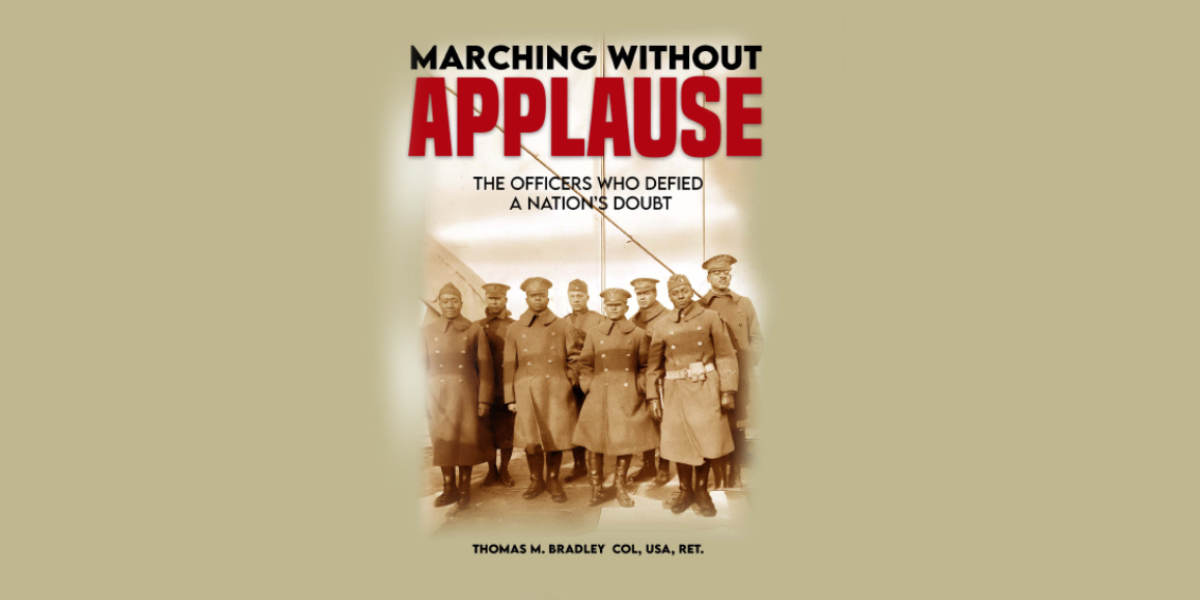
To follow their profound journey from this specific ground onto the field of history, one must turn to the definitive account. Discover the full story of resilience and duty in Thomas Bradley's essential novel, Marching Without Applause.

































Sign in to leave a comment.