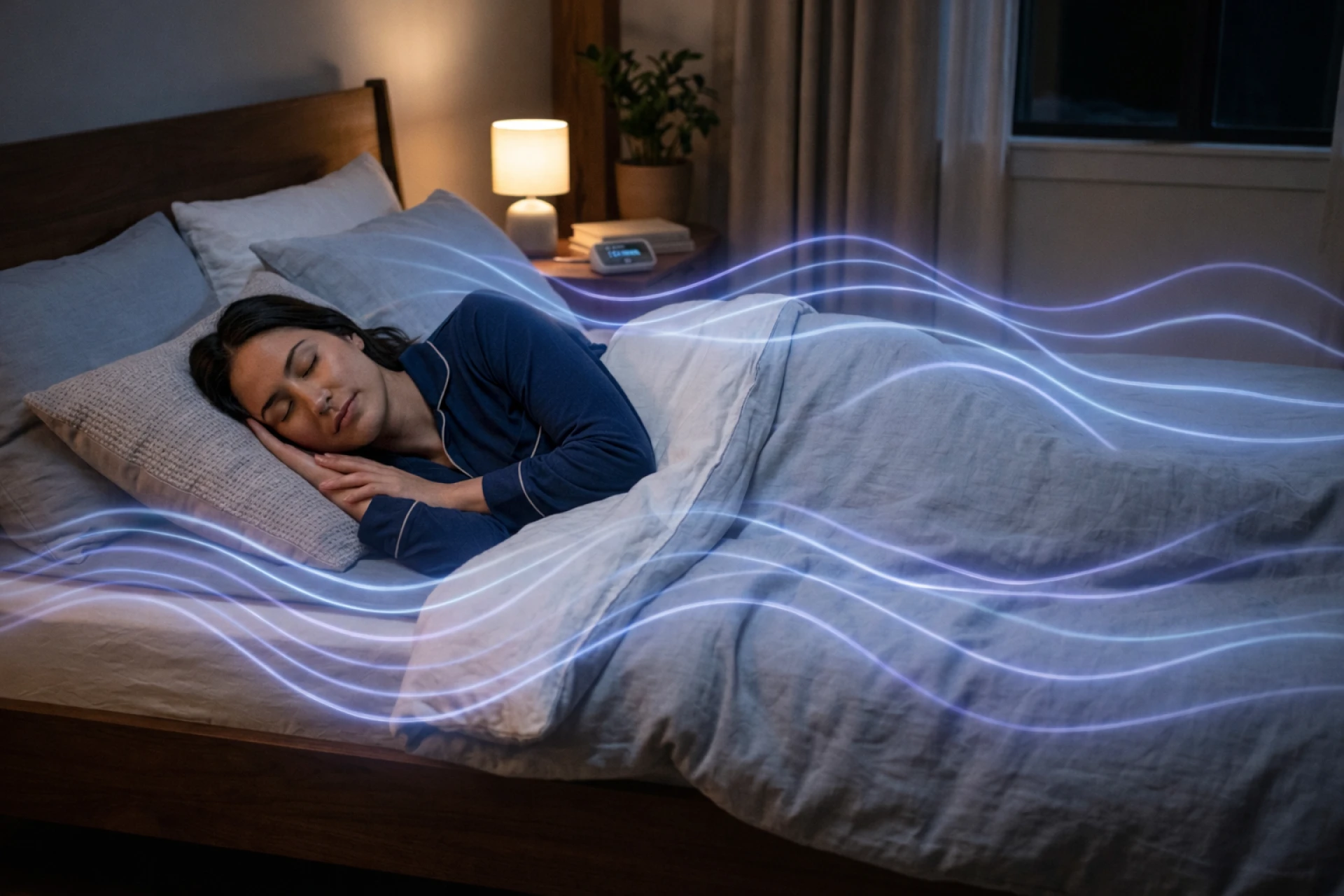

I’ve spent a lot of time looking at how technology can interface with the human body. Not to override it, but to nudge it back toward its natural state. When it comes to sleep, we are currently living through a silent crisis. We are over-caffeinated, over-lit by blue screens, and our nervous systems are stuck in a state of high-frequency alertness long after the sun goes down.
This is where I discovered PEMF for sleep. And tried and tested it. But here’s something many people misunderstood: more power or higher frequencies aren't better. If you’re in the wellness industry, we all know that recovery happens while we sleep. And you need the lowest possible frequency to support your sleep.
Specifically, the 1–3 Hz range.
But why too low? Let’s get into it!
Understanding the Brain-Sync Concept
To understand why 1–3 Hz works, we first have to talk about Brainwave Entrainment. Our brains are electrochemical organs. Every thought, movement, and dream is represented by a specific frequency of electrical activity, measured in Hertz (Hz), or cycles per second.
- Gamma (30–100+ Hz): Peak mental focus and high-level information processing.
- Beta (12–30 Hz): Standard waking consciousness and logic.
- Alpha (8–12 Hz): Deep relaxation and light meditation.
- Theta (4–8 Hz): The gateway to sleep and dreaming.
- Delta (0.5–4 Hz): Deep, dreamless, restorative sleep.
The principle of entrainment suggests that if you expose the brain to a consistent external frequency, the brain’s internal rhythm will eventually sync up with it. When you use a PEMF device set to 1–3 Hz, you are simply commanding your brain to sleep.
Why 1–3 Hz? The Science of Delta Waves
The 1–3 Hz range sits right in the heart of the Delta wave spectrum. You can consider it as the physiological basis of your consciousness. It is the most restorative stage of sleep, and it’s where the most critical biological maintenance occurs.
1. The Glymphatic Power Wash
One of the most significant discoveries in neuroscience in the last decade is the Glymphatic System. Think of it as the brain's waste clearance system. While you are in deep Delta sleep (1–4 Hz), your brain cells actually shrink slightly, allowing cerebrospinal fluid to rush in and wash away metabolic waste products, such as beta-amyloid plaques (the proteins associated with Alzheimer’s).
If you don't spend enough time in the 1–3 Hz zone, your brain essentially misses its cleaning cycle. This is why you feel foggy after a night of tossing and turning, your brain is literally physically dirty with metabolic byproducts.
2. Hormonal Optimization and GH Release
Deep sleep is the primary trigger for the release of Growth Hormone (GH). In adults, GH is involved in tissue repair, muscle recovery, and fat metabolism. Data shows that roughly 70% of daily growth hormone secretion in men occurs during the first period of deep NREM (Non-Rapid Eye Movement) sleep, which is dominated by those 1–3 Hz slow waves.
3. Down-Regulating the Sympathetic Nervous System
Most of us live in a state of Sympathetic Dominance, which is the fight-or-flight mode. To fall asleep, we must transition into the Parasympathetic state, which is the rest-and-digest state.
High-frequency EMFs (like those from Wi-Fi or cell towers) can interfere with this transition. Low-frequency PEMF at 1–3 Hz acts as a magnetic anchor, pulling the nervous system away from stress and into smooth recovery.
The Data: What the Research Says
Several studies have highlighted why these ultra-low frequencies are superior for sleep induction.
Research indicates that low-frequency PEMF can significantly reduce sleep onset latency (the time it takes to go from fully awake to stage 1 sleep). By mimicking the earth's natural geomagnetic frequencies (often referred to as the Schumann Resonances, though the primary resonance is 7.83 Hz, its sub-harmonics reach down into the Delta range), PEMF encourages the body to bypass the initial sleep disturbance phase.
One of the most cited double-blind, placebo-controlled studies on PEMF and sleep found that over 90% of the active group reported significant improvement in sleep quality compared to only 2% in the placebo group. The frequencies used were predominantly in the low range (under 10 Hz), focusing on the Delta/Theta transition.
Clinical observations indicate that 1–3 Hz stimulation is the best PEMF frequency for sleep. It helps suppress nocturnal cortisol levels. Cortisol is the stress hormone that should be low at night. If it spikes at 2:00 AM, you wake up. PEMF helps keep that lid closed.
Low Frequency vs. High Intensity: A Critical Distinction
A common misconception is that stronger PEMF is better. In the world of sleep, the opposite is true. We are looking for Biological Resonance, not zapping the cells.
The human body is incredibly sensitive. If you use a high-frequency or high-intensity PEMF signal at night, you might actually inadvertently stimulate the cells, increasing ATP production and cellular activity. This is exactly what you don’t want when you’re trying to shut down.
By staying within the 1–3 Hz range at a low intensity (measured in Gauss), you are providing a signal that matches the body's natural quiet state.
Practical Application: How to Use 1–3 Hz PEMF
If you’re looking to integrate this into your routine, here is how I recommend approaching it:
- The Pre-Sleep Wind Down: Start your PEMF session about 30 minutes before bed. Set your device to a Theta-to-Delta sweep (starting at 7–8 Hz and moving down to 3 Hz).
- All-Night Support: Some advanced PEMF mats allow for an all-night program. For this, a consistent 1–2 Hz signal is ideal. It acts as a safety net, helping catch your brain if it tries to wake up during a sleep cycle transition.
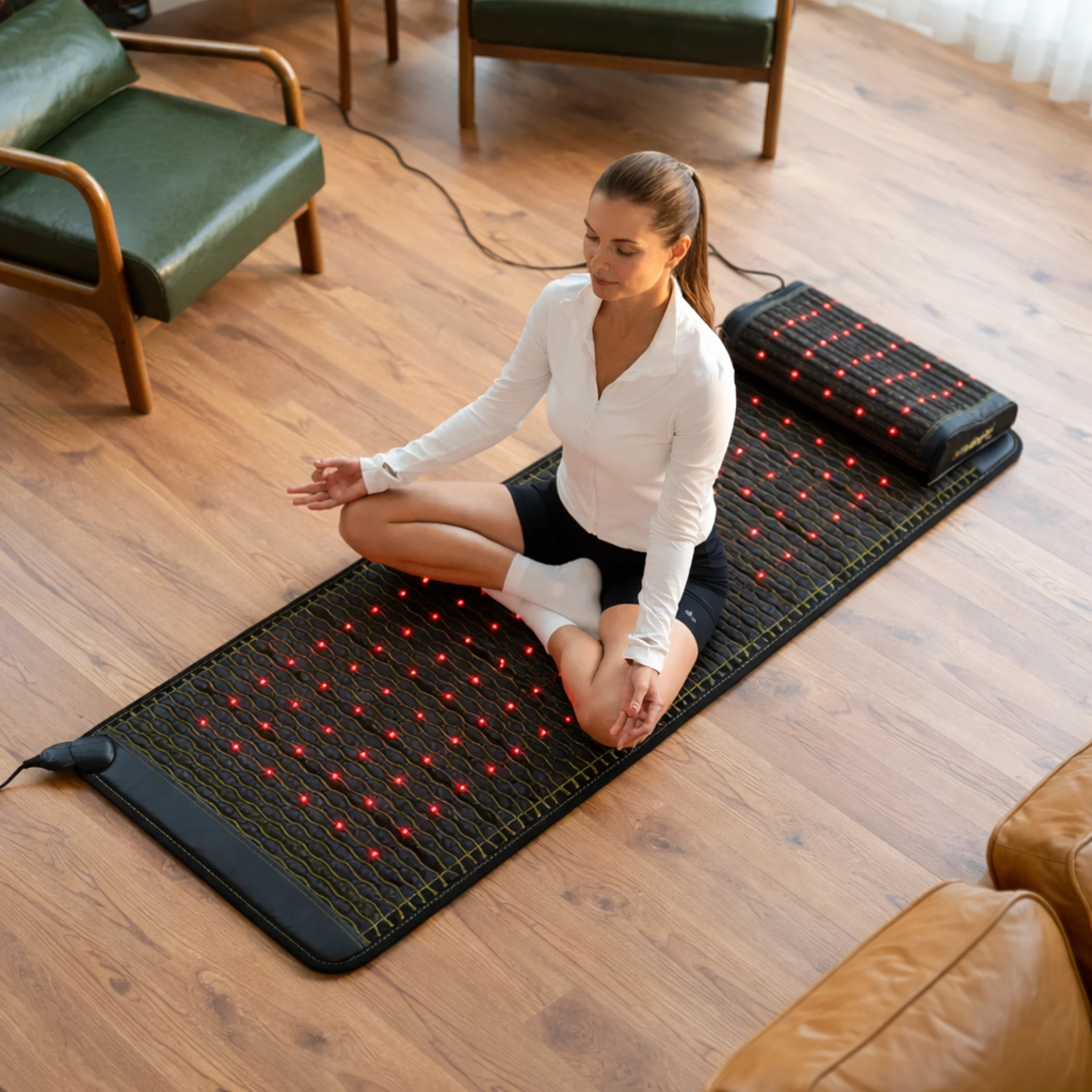
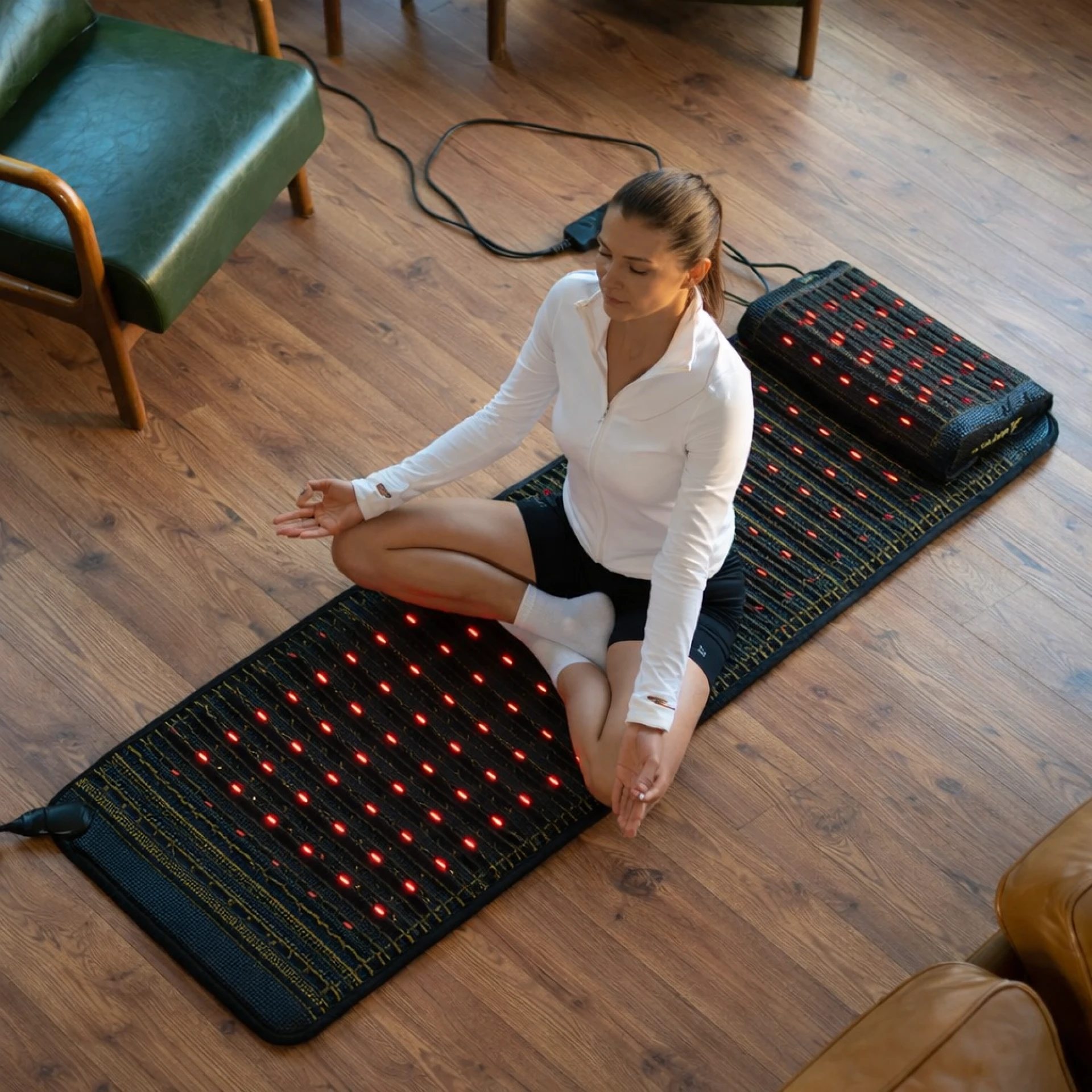
- Placement Matters: For sleep, you want the magnetic field to interact with the central nervous system. Using a full-body mat or placing a local applicator (like a PEMF pillow) near the base of the skull/upper spine is most effective for brainwave entrainment.
The Bottom Line
Sleep is the ultimate biohack. You can have the best diet and the perfect workout plan, but if you aren't hitting those deep Delta waves, you are building your health on a shaky foundation.
The 1–3 Hz PEMF range isn't just a random number. It is the frequency of deep healing. It is the frequency of cellular cleaning and hormonal rebirth. By using technology to mimic these natural, low-frequency pulses, we are giving our bodies the rhythmic map they need for restorative rest.
Need the right PEMF device for sleep? Check out this review.










Sign in to leave a comment.