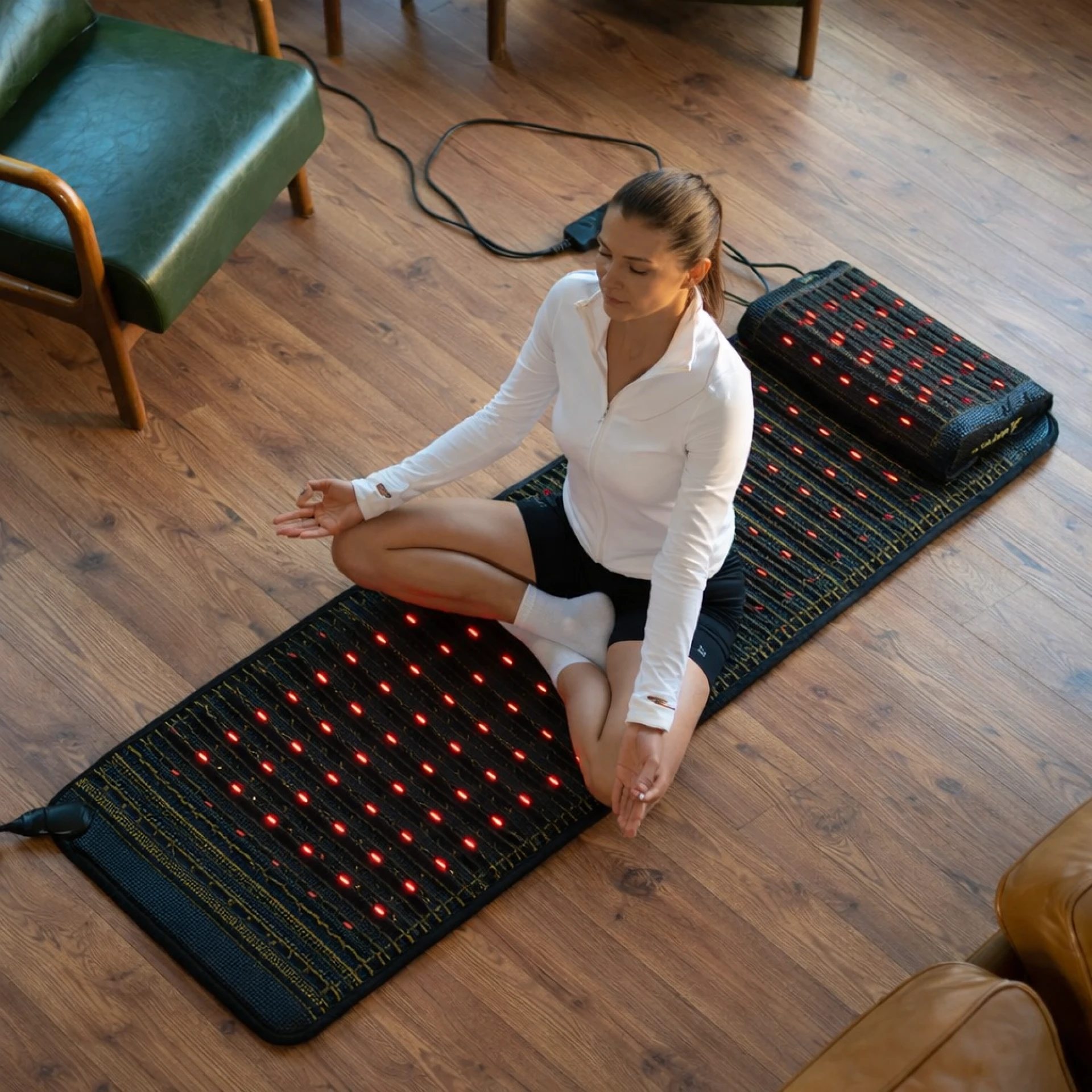

Back pain is one of the most common issues I see, whether someone is 25 or 75. Long hours sitting, poor posture, stress, injuries, and aging all add up. And for many people, the usual options feel limited: pain medication, injections, or, in more serious cases, surgery.
That’s exactly why non-invasive solutions are getting so much attention. One of the therapies I’m asked about more and more is PEMF. If you’re curious about the science, practical use, and device recommendations, I go deeper into all of that in this detailed guide on PEMF for back pain.
Let’s talk more about it!
The Problem With Traditional Back Pain Approaches
There’s nothing wrong with medical treatment when it’s necessary. But many people are searching for something gentler. They need something that supports the body rather than suppressing symptoms.
Painkillers can reduce discomfort temporarily, but they don’t address underlying inflammation or tissue stress. Physical therapy helps, but progress can be slow. Surgery is sometimes essential, but it’s invasive and requires recovery time. And PEMF therapy is the best solution.
What Is PEMF and How Does It Work?
PEMF stands for Pulsed Electromagnetic Field therapy. It uses low-frequency electromagnetic pulses to interact with your body at the cellular level.
Now, that might sound technical, but here’s the simple version.
Your body runs on electrical signals. Every cell communicates using tiny electrical charges. PEMF gently stimulates these natural processes. The goal is to support it. When applied to areas like the lower back, PEMF may help:
- Encourage healthy circulation
- Support cellular repair processes
- Reduce inflammatory responses
- Relax tight muscles
And it does all of this without needles, medication, or incisions.
Why People Are Turning to PEMF for Back Pain?
1. It’s Non-Invasive
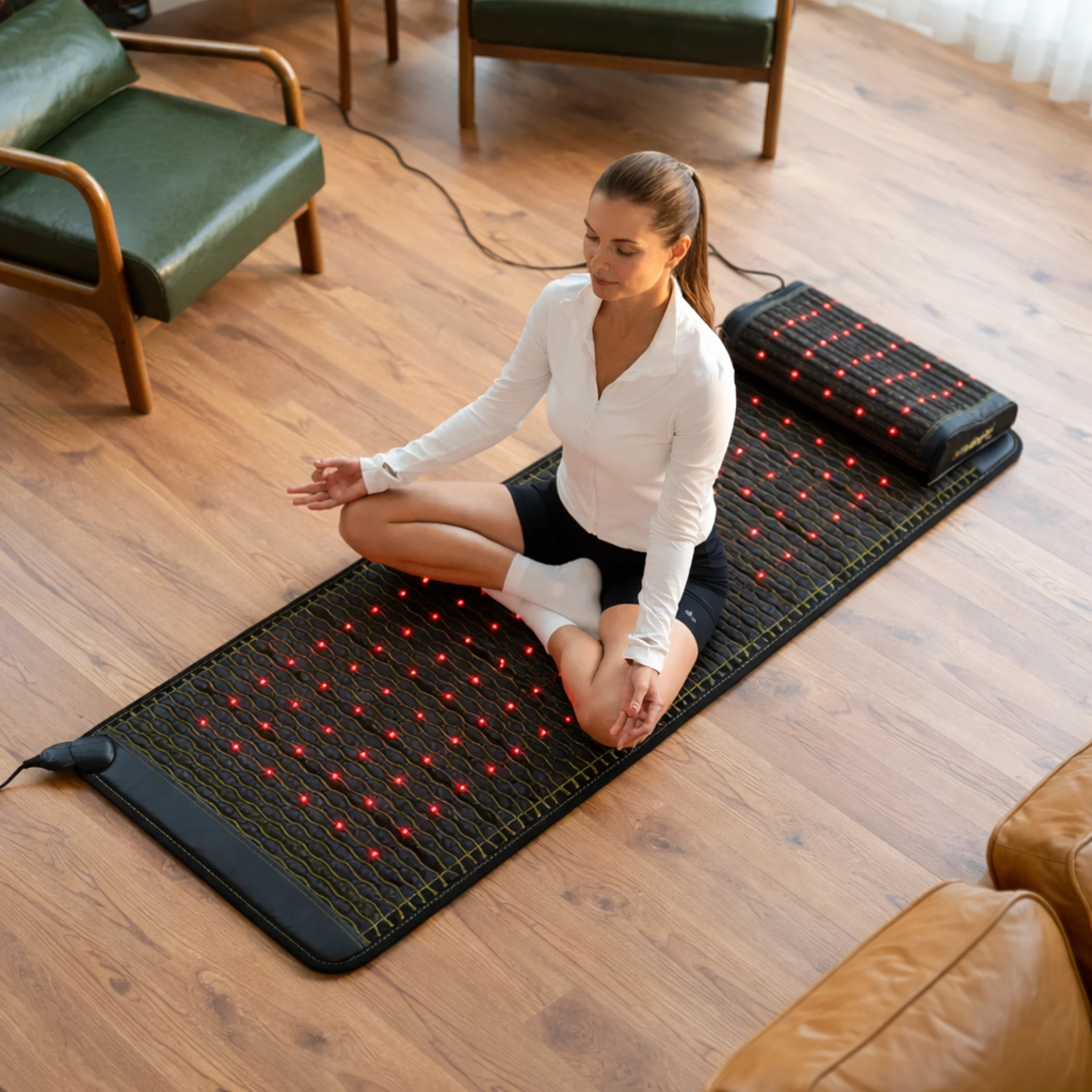
There’s no downtime. No recovery period. No anesthesia. You simply lie on a PEMF mat or use a targeted applicator while relaxing.
For people who want to avoid invasive procedures, this is a big advantage.
2. It Supports Recovery
Back pain often involves inflammation, muscle tension, disc stress, or nerve irritation. While PEMF is not a cure and not a replacement for medical care, many users report gradual improvements in stiffness, flexibility, and overall comfort with consistent use.
It works best as part of a broader wellness strategy, including maintaining movement, proper posture, and strength training.
3. It Can Be Used at Home
Convenience plays a huge role. Many PEMF devices are designed for home use, which means people can incorporate sessions into their daily routine.
Instead of scheduling appointments multiple times per week, you can support your back while reading, meditating, or winding down at night.
4. It Aligns With Preventive Wellness
More people today are thinking long-term. They want better recovery, better sleep, and healthier aging. PEMF fits into that philosophy. It’s about supporting your body consistently rather than reacting only when pain becomes severe.
Closing Thoughts
I always tell people this: PEMF is a supportive tool, not a replacement for professional medical care. If you have severe back pain, nerve compression, fractures, or serious structural issues, you need proper diagnosis and treatment.
But for many individuals dealing with chronic tension, inflammation, or mild to moderate discomfort, PEMF offers a gentle, non-invasive way to support the body’s natural healing processes.




























Sign in to leave a comment.