

In recent years, the concept of homegrown events has gained significant traction, as communities and individuals increasingly seek to celebrate local talent, culture, and creativity. These events are an embodiment of what makes a particular region unique—whether it’s music, art, food, or fashion. They foster a sense of belonging and pride while promoting the flourishing of local businesses and talent. Homegrown events serve as a platform for creators to showcase their work and connect with like-minded individuals, all within the context of their own cultural and regional identity.
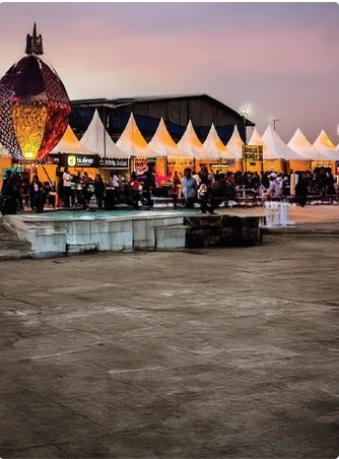
What sets homegrown events apart from larger, global festivals is their deeply personal and community-driven nature. These events are often crafted by local organizers who have a direct connection to the area they are based in. Whether it’s a small local craft fair or a large-scale cultural festival, the focus is always on celebrating the unique aspects of the local culture. They offer a space where attendees can experience something new yet familiar, making them feel closer to their roots.

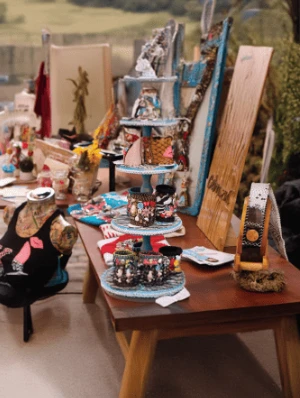
One of the greatest advantages of homegrown events is the opportunity they provide for small businesses and local artists to thrive. These events often act as a launching pad for emerging creators and entrepreneurs who might not yet have access to the resources or visibility offered by larger, more mainstream platforms. For instance, local designers, craftsmen, and food vendors can attract a loyal customer base while simultaneously growing their brand within the community. This, in turn, boosts the local economy and strengthens the bonds between creators and their audiences.
Homegrown events are also an excellent opportunity for people to engage with new forms of art and entertainment. Many of these events feature local music acts, art installations, and performances that reflect the diversity and richness of the community. Attendees have the chance to immerse themselves in the work of local performers and creators, experiencing firsthand the innovation and creativity that is often nurtured in their own neighborhoods. These events can also provide a more intimate setting for artists and audience members to connect, creating lasting memories and a shared sense of experience.
In addition to supporting local artists and businesses, homegrown events are also pivotal in fostering a sense of community and cultural pride. By coming together to celebrate what makes their city or town special, participants strengthen the cultural fabric of their region. These events help preserve traditions, introduce new cultural trends, and promote inclusivity, making them essential in maintaining the vibrancy of local communities.
Moreover, homegrown events often have a sustainable focus, as many of them prioritize eco-friendly practices, including the use of locally sourced materials, sustainable packaging, and waste reduction initiatives. This aligns with the growing demand for more responsible and sustainable event management practices, which is essential in today’s environmentally conscious world.
In conclusion, homegrown events are much more than just gatherings—they are celebrations of culture, talent, and creativity. They empower local creators, promote community bonding, and contribute to the growth of local economies. Whether it’s a food festival, a craft market, or an art exhibition, these events offer something special that larger, global festivals cannot replicate. As the trend continues to grow, homegrown events will play an increasingly vital role in shaping local communities and celebrating the best that each region has to offer.

























Sign in to leave a comment.