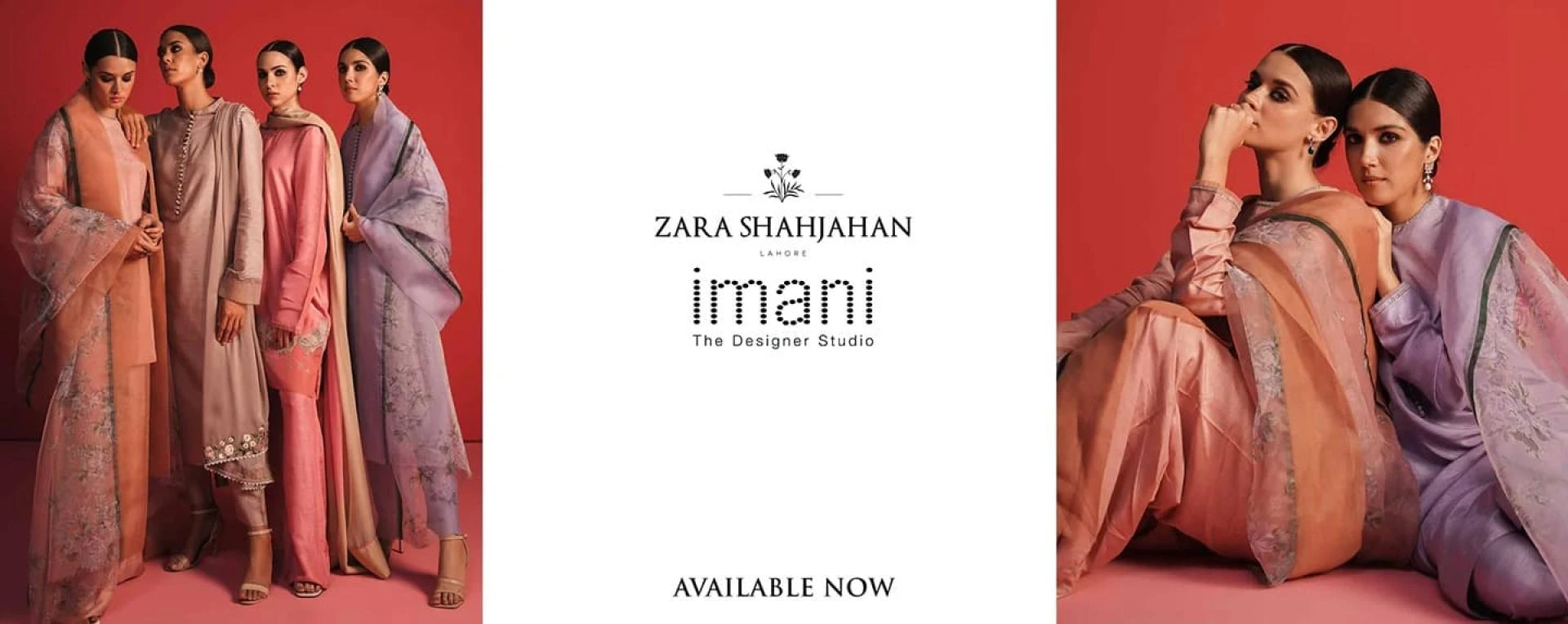
The UK has seen a significant rise in the popularity of Pakistani clothing brands over the past decade. With a growing South Asian diaspora and an increasing interest in ethnic fashion, Pakistani designers and brands have found a thriving market in the UK. This article explores the factors behind the success of Pakistani clothing brands in the UK, the challenges they face, and their future potential.
Why Pakistani Clothing Brands Are Gaining Popularity
1. High-Quality Craftsmanship
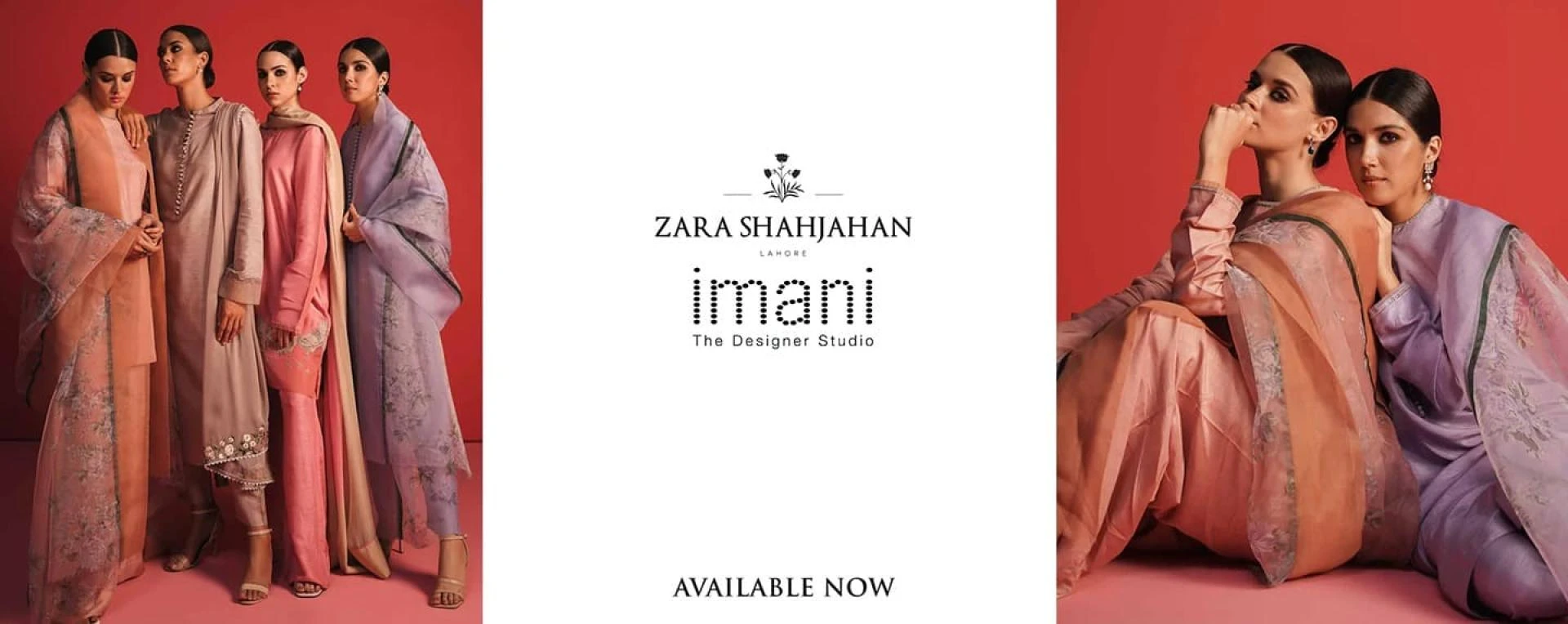
Pakistani clothing brands are known for their intricate embroidery, handwoven fabrics, and attention to detail. The combination of traditional craftsmanship with contemporary designs has attracted a diverse audience, including both South Asians and non-South Asians who appreciate the artistry and elegance of these garments. The unique blend of eastern aesthetics with modern cuts makes Pakistani fashion stand out in the UK’s competitive market.
2. Cultural Connection
With a significant Pakistani community in the UK, there is a high demand for traditional and fusion wear that reflects cultural heritage while also being suitable for modern settings. Weddings, festivals, and special occasions drive sales, as many individuals prefer to wear traditional attire that represents their roots. Additionally, Pakistani brands offer a range of fusion fashion pieces that allow younger generations to blend their heritage with contemporary fashion trends.
3. Celebrity and Influencer Endorsements
Many Pakistani celebrities and influencers promote clothing brands on social media, increasing visibility and demand among UK consumers. These endorsements help bridge the gap between South Asian communities living abroad and the fashion trends emerging from Pakistan. Social media platforms like Instagram and TikTok have played a crucial role in promoting Pakistani brands internationally, with UK-based influencers showcasing the latest collections to a global audience.
4. Online Retail and Accessibility
The rise of e-commerce has made it easier for UK customers to purchase Pakistani clothing. Many brands offer international shipping, and some have even opened physical stores in major UK cities such as London, Birmingham, and Manchester. This accessibility ensures that consumers can explore and purchase high-quality Pakistani outfits with just a few clicks, making the shopping experience more convenient than ever.
Leading Pakistani Clothing Brands in the UK
Several Pakistani clothing brands have successfully expanded their reach into the UK market. Among them are:
- Khaadi: Known for its vibrant prints and ready-to-wear collections, Khaadi has established itself as a household name in the UK for casual and formal attire.
- Sana Safinaz: Offers high-end designer wear and bridal collections, making it a preferred choice for weddings and luxury occasions.
- Maria B: Popular for its pret, bridal, and unstitched collections, Maria B has become synonymous with Pakistani elegance.
- Gul Ahmed: A well-respected brand for high-quality fabrics and stylish apparel, catering to a broad audience.
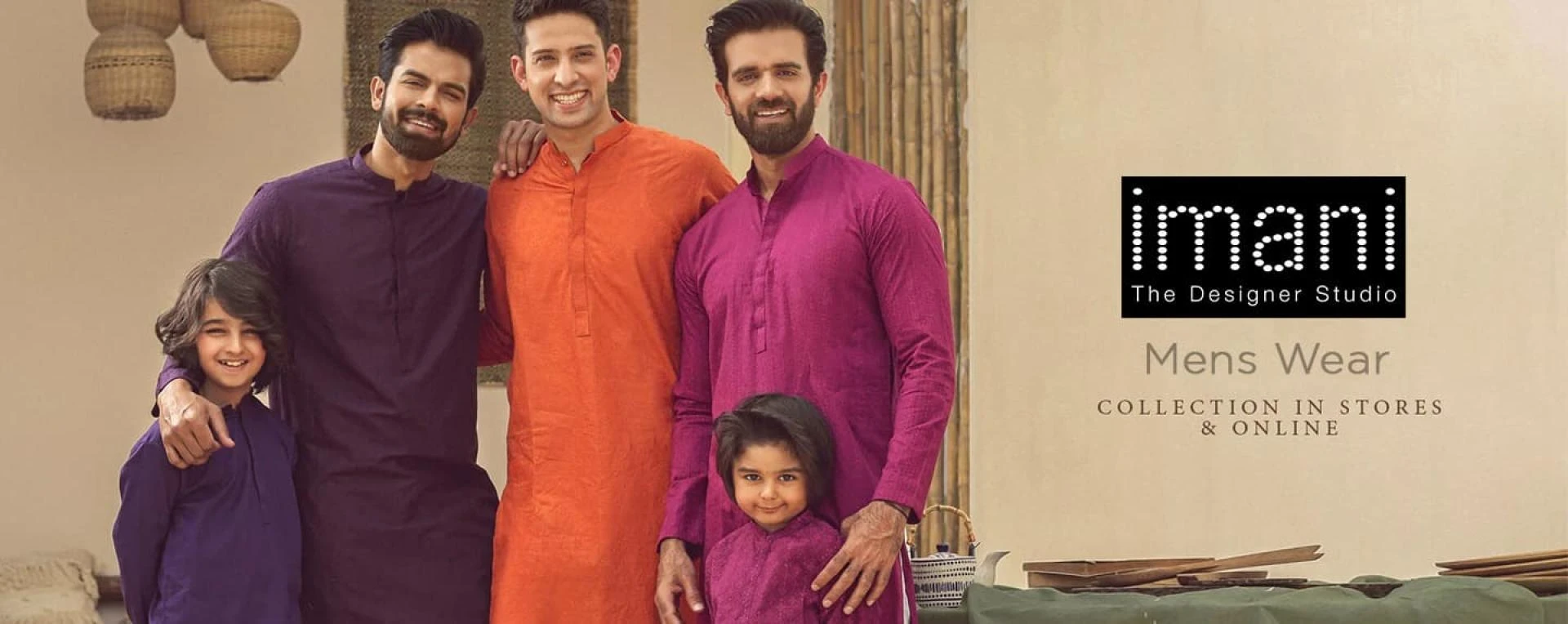
- Imani Studio: A prominent brand offering luxury Pakistani clothing in the UK, known for its exquisite designs and premium quality.
- Junaid Jamshed (J.): Specializes in modest wear, catering to customers who prefer traditional yet trendy attire.
- Zellbury: Offers affordable and fashionable clothing, making Pakistani fashion accessible to a wider audience.
Challenges Faced by Pakistani Clothing Brands in the UK
Despite their success, Pakistani brands face several challenges, including:
1. High Import Costs
The cost of shipping and customs duties can increase the final price of products, making Pakistani clothing more expensive than local or Western alternatives. This pricing challenge forces brands to find innovative solutions, such as localized production or strategic partnerships with UK-based retailers.
2. Competition from Local and International Brands
Pakistani brands compete with both Western and Indian ethnic wear brands, making it essential to differentiate their offerings through quality, unique designs, and superior customer service. UK-based brands that cater to South Asian fashion preferences also pose a challenge to Pakistani brands trying to establish a foothold.
3. Cultural Adaptation
Some designs may need modifications to appeal to a broader audience in the UK. While Pakistani brands traditionally design for local markets, adjusting hemlines, fabric choices, and color palettes can make their products more versatile for international customers.
4. Counterfeiting and Duplication
The presence of counterfeit products can affect brand reputation and sales. Fake replicas of designer outfits sold at lower prices can reduce consumer trust in authentic brands, making it necessary for Pakistani fashion houses to implement strict quality control and brand authentication measures.
The Future of Pakistani Clothing Brands in the UK
The future looks promising for Pakistani clothing brands in the UK. With increasing demand, brands are likely to expand their presence through:
1. More Physical Stores
Opening flagship stores in major UK cities will help cater to local customers who prefer to experience the quality and texture of garments before purchasing.
2. Collaborations with UK Retailers
Partnering with department stores and boutiques can enhance brand visibility and provide customers with easier access to Pakistani fashion.
3. Sustainable Fashion Initiatives
With the fashion industry moving towards sustainability, Pakistani brands can leverage eco-friendly fabrics and ethical production methods to appeal to conscious consumers. By focusing on sustainability, brands can attract a wider audience and contribute to global environmental efforts.
4. Enhanced Digital Marketing Strategies
Leveraging social media, influencer collaborations, and targeted digital ads will allow brands to reach a broader audience. Engaging with customers through storytelling and interactive content can help build brand loyalty and increase online sales.
5. Expansion of Product Offerings
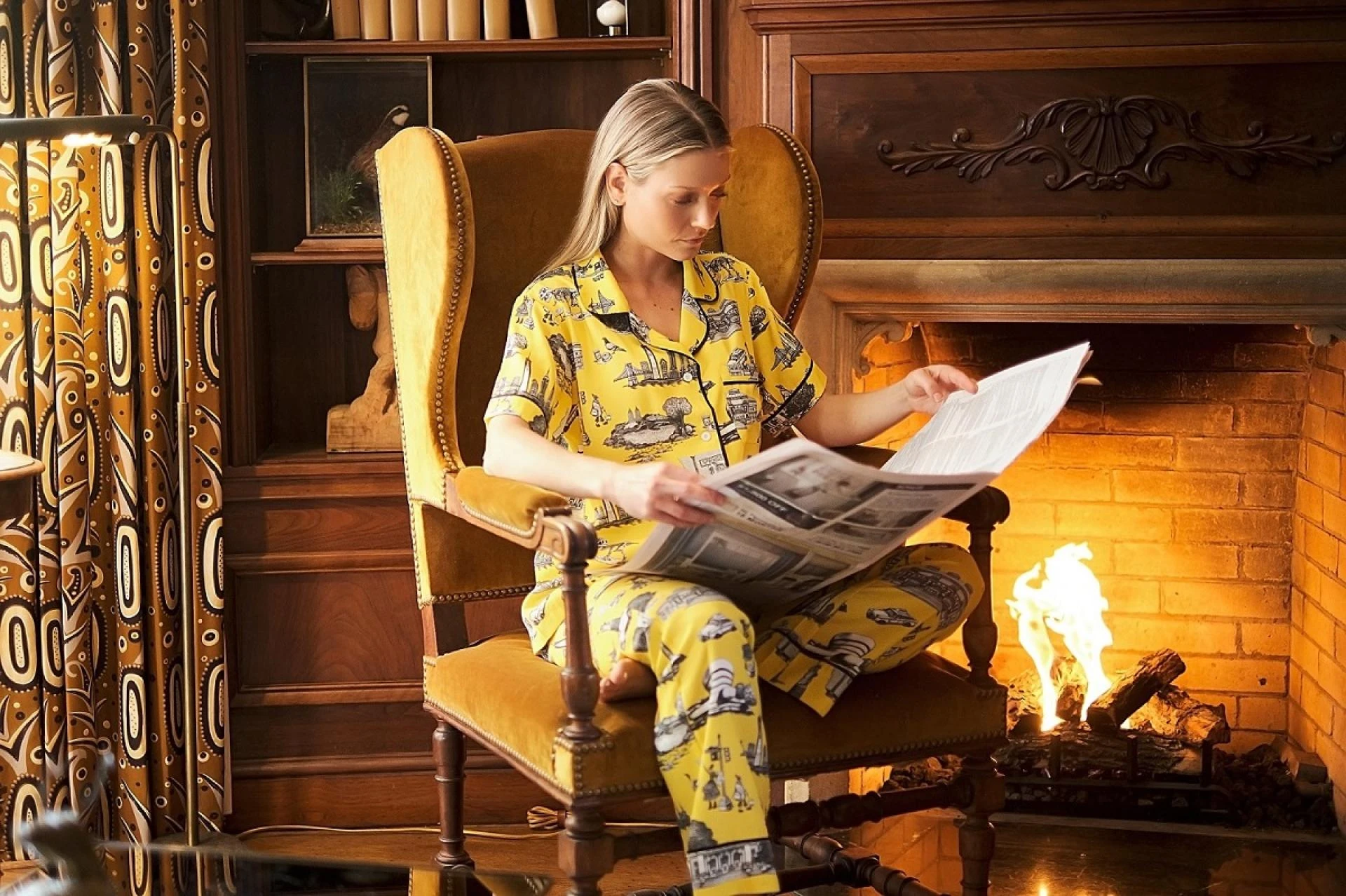
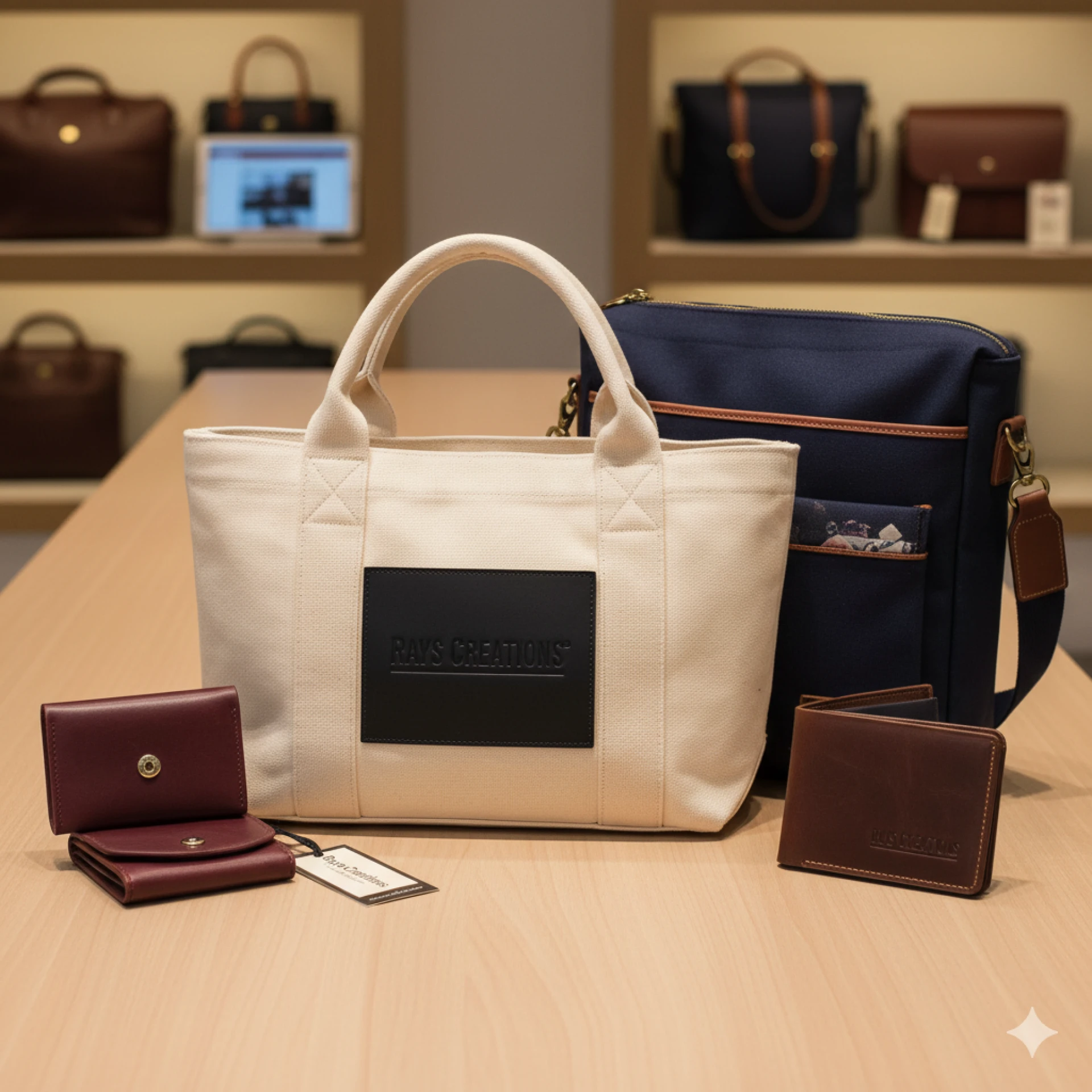
Many Pakistani brands are expanding beyond traditional wear to include contemporary fashion, loungewear, and even accessories. This diversification allows brands to cater to a wider demographic, increasing their market share.
Conclusion
The rise of Pakistani clothing brands in the UK is a testament to the global appeal of South Asian fashion. With brands like Imani Studio, Khaadi, and Maria B leading the way, the market for Pakistani apparel continues to grow. The combination of high-quality craftsmanship, cultural significance, and modern adaptability has made Pakistani fashion an integral part of the UK fashion scene.
As these brands navigate challenges and embrace new opportunities, they are set to make an even bigger impact on the UK fashion industry in the coming years. Whether through innovative digital strategies, expanded physical stores, or sustainable initiatives, Pakistani brands are poised for long-term success. With the continuous evolution of consumer preferences and the increasing global interest in ethnic fashion, Pakistani clothing brands are well-positioned to thrive in the competitive UK market.


















Sign in to leave a comment.