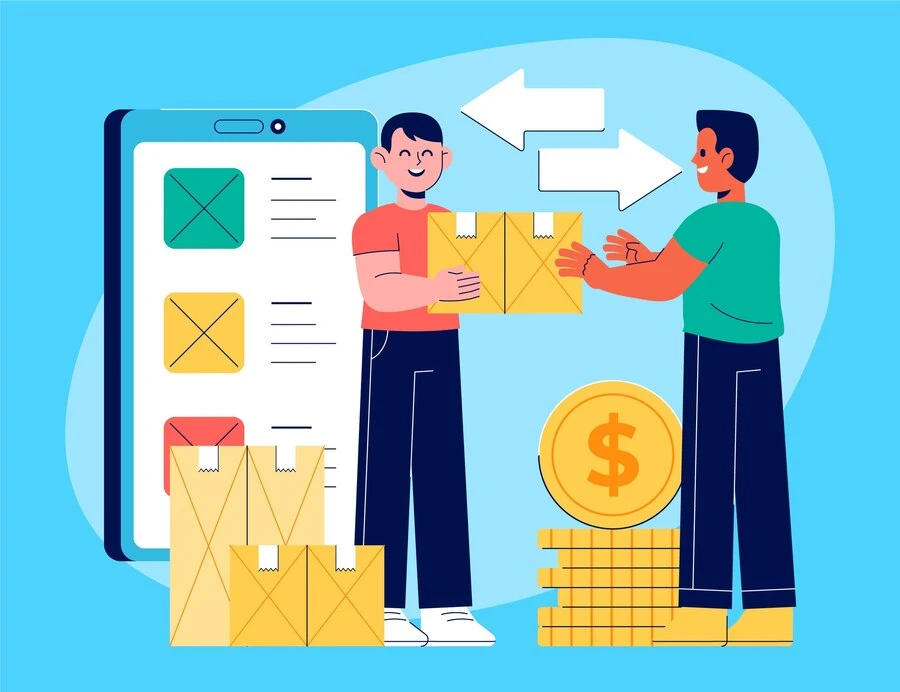

P2P marketplaces are not a wholly novel idea. eBay and other similar platforms laid the foundation, but P2P marketplaces today cover a wider range of uses. Airbnb transformed the hospitality sector by enabling people to rent out their premises, and Etsy enabled craftspeople to sell their creations to a worldwide audience. The popularity of these platforms opened the door for a variety of specialist marketplaces, such as Depop for fashion and Uber for transportation, among others.
Advantages for Sellers
P2P marketplaces provide sellers with unmatched accessibility and reach. Anyone can become a vendor if they have something to offer, such as a skill, a service, or an underused item. The removal of middlemen lowers overhead, allowing sellers to maximize profits while setting competitive rates. Furthermore, these platforms frequently include strong analytics and tools, enabling merchants to improve their listings, recognize market trends, and hone their product offerings.
Empowering Consumers
From a buyer’s perspective, P2P marketplaces present a treasure trove of options. Consumers gain access to a wide array of products and services that might not be available through traditional retail channels. The peer-to-peer model often encourages unique, one-of-a-kind offerings, fostering a sense of discovery and personalization. Additionally, buyers can engage directly with sellers, seeking personalized experiences and building trust through direct communication.
Fostering Trust and Community
Trust is the cornerstone of P2P marketplaces. These platforms implement various mechanisms—ratings, reviews, and secure payment gateways—to instill confidence among users. The community-driven nature of P2P marketplaces encourages transparency and accountability, creating a sense of shared responsibility. As users engage in transactions and interactions, they contribute to the formation of a vibrant community where reputation and reliability matter.
Challenges and Opportunities
While P2P marketplaces offer numerous benefits, they also face challenges. Issues like ensuring user safety, managing disputes, and preventing fraudulent activities demand robust moderation and security measures. Moreover, achieving the balance between scalability and maintaining the community ethos poses a continual challenge for these platforms.
However, these challenges also represent opportunities for innovation. Advancements in technology, such as blockchain for secure transactions or AI-driven moderation systems, offer potential solutions to enhance security and user experience. Furthermore, the evolving landscape of P2P marketplaces allows for experimentation with new business models and collaborative partnerships.
The Future of P2P Marketplaces
The future of peer-to-peer marketplaces seems bright. These platforms will probably develop into more seamless, immersive experiences as technology moves forward. Furthermore, the focus on sustainability and conscious shopping may influence the course of peer-to-peer marketplaces, encouraging ethical transactions and eco-friendly behaviors.
Moreover, there is still a great deal of room for growth in unexplored areas and new industries. P2P markets could cover topics like information sharing, cooperative initiatives, and even healthcare services in addition to physical commodities and services.
Conclusion
Peer-to-peer marketplace websites reflect a fundamental change in the way business is conducted in the digital era. By promoting face-to-face interactions and changing consumer behavior, they have democratized the selling and purchasing process. Notwithstanding the difficulties they face, these platforms never stop innovating, using technology and community-driven strategies to reimagine the future of commerce.
P2P marketplaces have an indisputable impact on social interactions and the global economy as they continue to develop. These platforms are redefining commerce by empowering individual businesses and delivering consumers individualized and varied offers. They are the epitome of a connected and community-driven economy.



























Sign in to leave a comment.