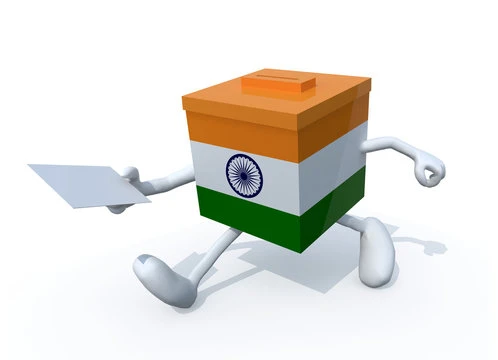

In recent years, the concept of "One Nation, One Election" has been gaining significant traction in the political landscape of India. This ambitious proposal envisions synchronized elections across the country, wherein both state and national elections would be held simultaneously. The proponents of this idea argue that it could bring about several benefits, including reduced election-related expenditure, enhanced governance, and a more focused policy implementation. As the debate surrounding this proposition intensifies, it becomes crucial to analyze the potential advantages and challenges associated with the implementation of One Nation, One Election.
Reduced Expenditure:
One of the primary arguments in favor of One Nation, One Election is the substantial reduction in election-related costs. Currently, India witnesses frequent elections at various levels, leading to enormous financial burdens on both the government and political parties. Consolidating elections would not only minimize the financial strain but also allow for a more efficient allocation of resources towards developmental initiatives rather than recurring election processes.
Enhanced Governance and Policy Implementation:
Another key aspect proponents highlight is the potential for improved governance and policy implementation. Frequent elections often disrupt the governance machinery, diverting attention away from crucial administrative tasks. With synchronized elections, the government can focus on effective policy formulation and implementation without the constant interruptions caused by election cycles. This could lead to better-coordinated and more stable governance, fostering long-term development.
Strengthening Federalism:
The proposal for One Nation, One Election also has implications for the federal structure of the country. Critics argue that simultaneous elections could undermine the regional autonomy of states, as state-level issues might get overshadowed by national concerns. Striking a balance between a synchronized electoral calendar and respecting the autonomy of states would be crucial in maintaining the federal character of the Indian polity.
Challenges and Concerns:
Despite the potential benefits, the concept of One Nation, One Election is not without its challenges. One of the major concerns is the practicality of implementing such a massive logistical exercise in a diverse and populous country like India. Coordinating elections across all states and union territories poses a considerable organizational challenge, and ensuring the seamless execution of such an endeavor requires meticulous planning and execution.
Additionally, the political dynamics and regional variations across India raise concerns about the potential homogenization of political discourse. Critics argue that synchronized elections might lead to the dominance of national issues, diluting the importance of state-specific concerns. Striking a balance between a common electoral framework and the diversity of regional issues is crucial to addressing this challenge.
Conclusion:
The idea of One Nation, One Election represents a bold vision for India's political future, aiming to streamline the electoral process for greater efficiency and effectiveness. While the benefits of reduced expenditure, enhanced governance, and strengthened federalism are enticing, the challenges of practical implementation and potential homogenization of political discourse cannot be ignored. As the debate gains momentum, it is essential for stakeholders to engage in a thoughtful and inclusive dialogue to determine the feasibility and implications of such a monumental shift in India's electoral landscape. The road ahead for One Nation, One Election requires careful consideration of the diverse perspectives and a commitment to maintaining the democratic principles that form the bedrock of India's political system.




































Sign in to leave a comment.