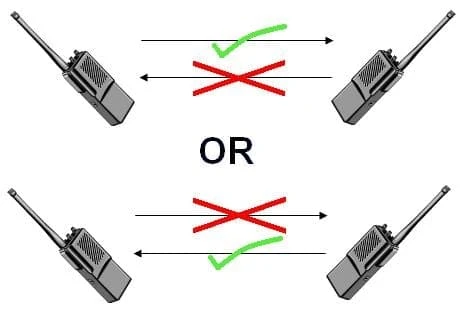

In the ever-evolving landscape of telecommunications and networking, understanding the fundamental concepts of data transmission is crucial. Two terms that frequently surface in discussions about communication protocols are "full duplex" and "half duplex." These terms play a pivotal role in determining the efficiency and capabilities of communication systems. In this article, we delve into the intricacies of full duplex vs half duplex, unraveling their differences, applications, and the impact they have on modern technology.
Defining Full Duplex and Half Duplex:
Before delving into the comparisons, let's establish the definitions of full duplex and half duplex.
1. Full Duplex: Full duplex refers to a communication method that allows simultaneous two-way communication. In a full-duplex system, data can be sent and received concurrently, enabling real-time communication. It's akin to a two-lane highway where traffic flows smoothly in both directions without interruption.
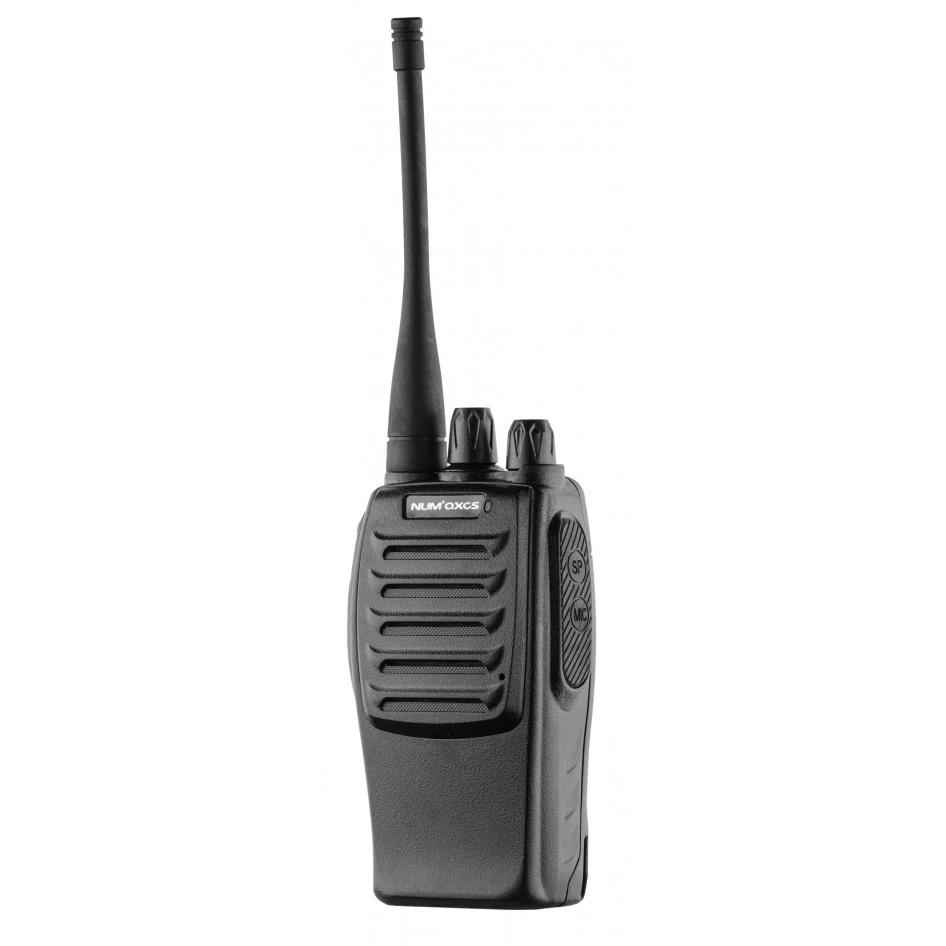
2. Half Duplex: Contrastingly, half duplex involves one-way communication at a time. In a half-duplex system, devices take turns transmitting and receiving data. It operates like a walkie-talkie, where one party speaks while the other listens, and vice versa.
Distinguishing Characteristics:
Simultaneity:
Full Duplex: Simultaneous two-way communication.Half Duplex: One-way communication at a time.Transmission Efficiency:
Full Duplex: Higher efficiency due to simultaneous data transmission.Half Duplex: Lower efficiency as devices take turns.Communication Channels:
Full Duplex: Requires separate channels for transmitting and receiving.Half Duplex: Uses a single channel for both transmission and reception.Applications in Telecommunications:
Voice and Video Calls:
Full Duplex: Ideal for real-time voice and video communication, ensuring smooth conversations.Half Duplex: May lead to delays and interruptions during voice and video calls.Networking:
Full Duplex: Common in modern Ethernet networks, allowing devices to send and receive data simultaneously.Half Duplex: Used in older Ethernet networks, where devices alternate between sending and receiving.Wireless Communication:
Full Duplex: Challenging to implement in wireless environments due to potential interference.Half Duplex: More suitable for wireless communication, where devices can take turns to transmit and receive.Impacts on Modern Technology:
Data Transfer Speed:
Full Duplex: Supports higher data transfer speeds, crucial for bandwidth-intensive applications.Half Duplex: May experience slower data transfer rates due to the sequential nature of communication.Networking Infrastructure:
Full Duplex: Modern networking equipment is designed to support full-duplex communication for improved performance.Half Duplex: Still utilized in specific scenarios, but gradually being phased out in favor of full duplex.Conclusion:
In the intricate web of modern communication, understanding the distinctions between full duplex and half duplex is paramount. As technology advances, the demand for seamless and simultaneous communication grows, making full duplex the preferred choice in various applications. However, the coexistence of both methods in different scenarios showcases the adaptability of these communication paradigms. Whether it's a crystal-clear voice call or the rapid exchange of data in a network, the choice between full duplex and half duplex lays the foundation for efficient and effective communication in the digital age.




























Sign in to leave a comment.