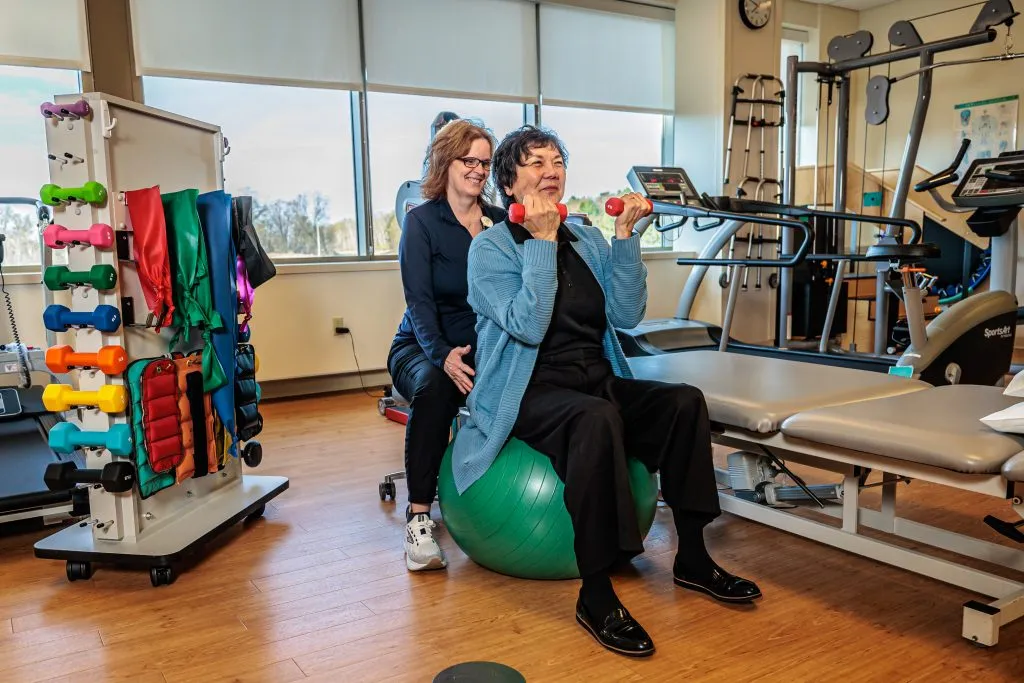

Injuries can interrupt a woman’s active lifestyle, affecting movement, confidence, and everyday activities. Whether caused by sports, exercise, work-related strain, accidents, or natural changes in the body, recovering from an injury requires a thoughtful and structured approach. While rest and medical care are important parts of healing, rebuilding strength is often essential for a complete recovery.
Strength training for injury recovery has become an important part of rehabilitation because it helps restore muscle function, improve stability, and rebuild confidence. With the right guidance, women can use strength exercises to move beyond injury and create a stronger, healthier foundation for the future.
Why Strength Training Matters After an Injury?
After an injury, the body often changes the way it moves to protect the affected area. This can lead to muscle weakness, reduced flexibility, and poor movement patterns. Over time, these changes may place extra stress on other parts of the body and increase the chance of future injuries.
A structured injury rehabilitation program focuses on correcting these issues through controlled and progressive exercises. Strength training helps activate weakened muscles, improve joint support, and restore natural movement patterns.
For example, after a knee injury, strengthening the muscles around the knee can improve stability and reduce strain during daily activities. After a shoulder injury, targeted resistance exercises can help restore strength and improve range of motion. Each exercise is selected based on the individual’s condition and recovery goals.
The Benefits of Personalized Strength Training for Women
Every woman’s recovery journey is different. Factors such as age, fitness level, lifestyle, previous injuries, and physical goals all influence how the body responds to rehabilitation. This is why a customized approach is often more effective than following a general workout plan.
A personalized strength training program allows exercises to be adjusted according to a woman’s current abilities. Beginners may start with gentle movements and bodyweight exercises, while more experienced individuals may gradually return to resistance training with weights.
This individualized approach helps women progress safely while building strength at a comfortable pace. It also allows trainers to focus on specific needs, such as improving balance, increasing mobility, strengthening the core, or restoring overall fitness.
Rebuilding Strength and Confidence
Recovering from an injury is not only a physical process. Many women experience uncertainty or fear when returning to activities they once enjoyed. They may worry about reinjury or feel hesitant about certain movements.
A consistent women’s strength training program can help rebuild trust in the body. As strength improves, women often notice better posture, improved coordination, and greater confidence in their abilities.
Small improvements can have a big impact. Being able to walk without discomfort, perform daily tasks more easily, or return to exercise can create a positive sense of progress. Strength training turns recovery into an active journey where women can participate in their own healing.
Preventing Future Injuries
One of the most valuable aspects of strength training is injury prevention. Many injuries happen because of muscle imbalances, weak support muscles, poor movement habits, or lack of stability. A well-planned strength routine addresses these factors and prepares the body for everyday demands.
Exercises that improve core strength, balance, flexibility, and muscle control help women move more efficiently. This is especially important for women who participate in sports, fitness activities, or physically demanding jobs.
Regular strength training also supports long-term health by maintaining muscle mass, improving bone strength, and supporting overall mobility. The goal is not only to recover from an injury but also to build resilience against future challenges.
The Importance of Professional Guidance
Although strength training can be highly beneficial, performing exercises incorrectly can slow recovery or create additional problems. Professional guidance ensures that movements are performed safely and effectively.
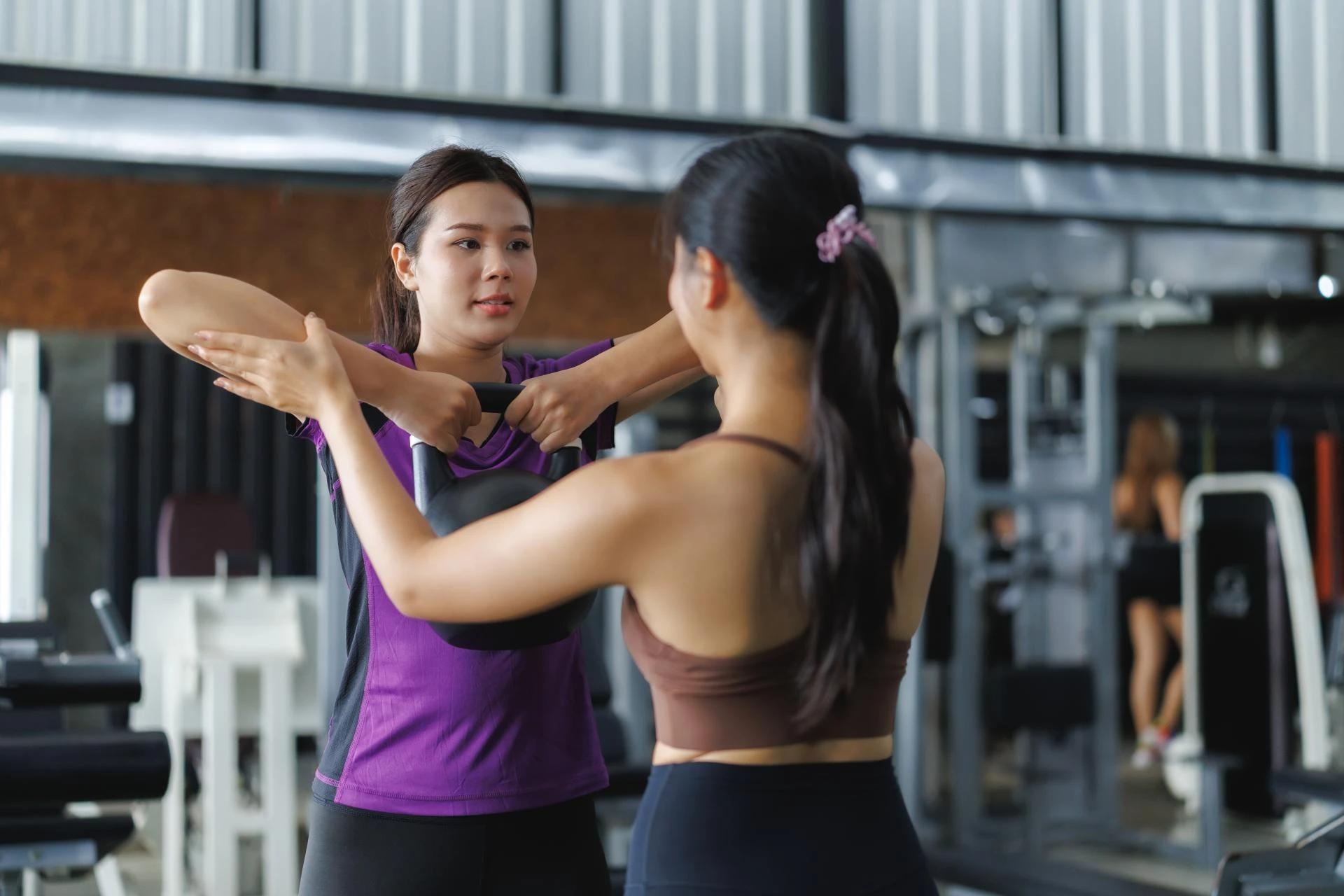
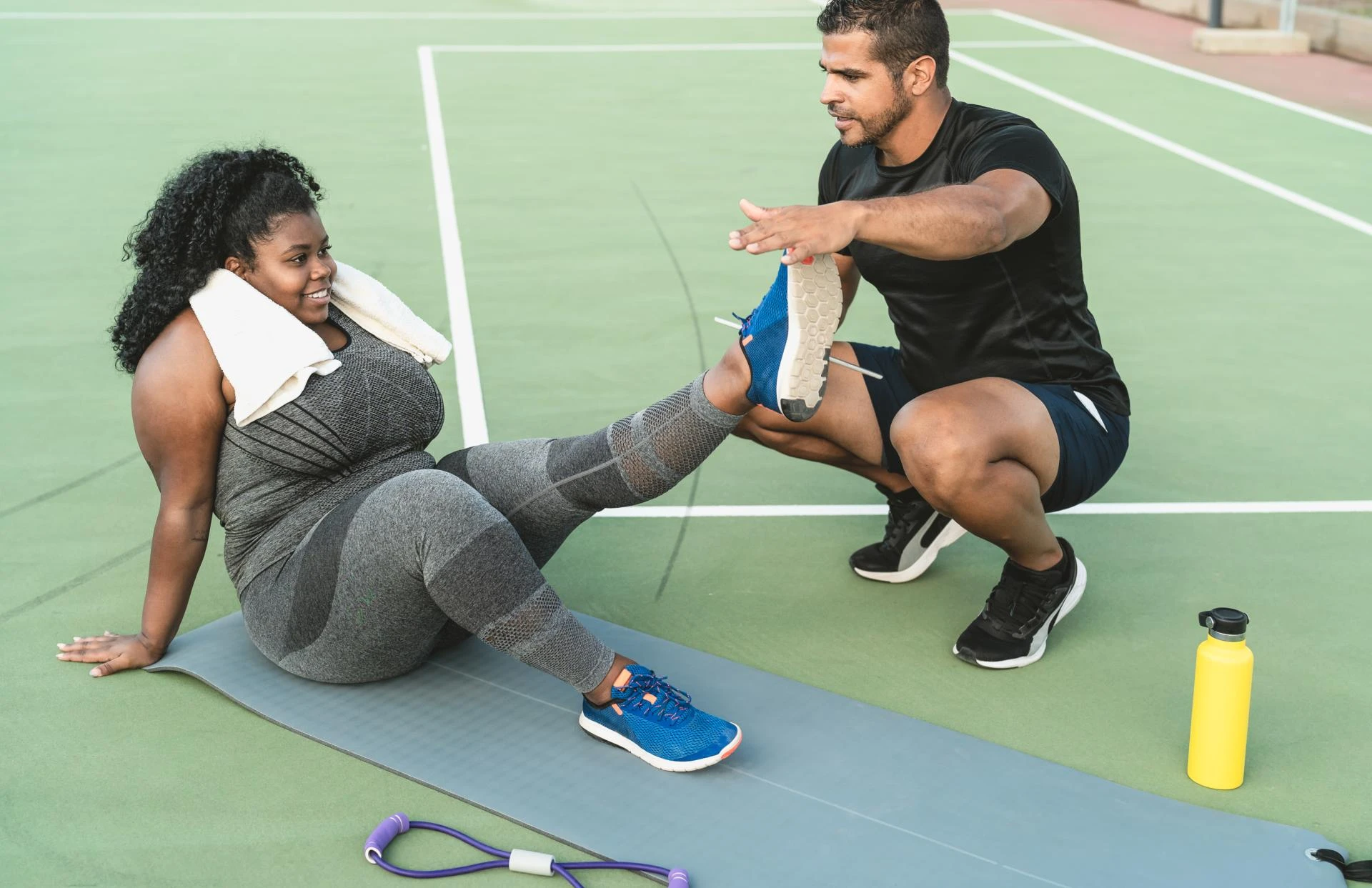
A qualified trainer can assess movement patterns, create a progressive plan, and make adjustments as recovery improves. This support helps women stay motivated while following a program designed around their unique needs.
A supportive training environment also makes the recovery process more comfortable. Women benefit from encouragement, accountability, and expert advice as they work toward their goals.
Choosing the Right Recovery Support
For women seeking a structured and supportive approach to rebuilding strength, Physical Culture Brooklyn is an excellent option. Their focus on personalized training helps clients improve strength, mobility, and confidence through carefully designed fitness programs.
The road to recovery does not end when pain decreases. True recovery means restoring strength, improving movement, and feeling confident in the body again. With the right strength training approach, women can overcome injuries, prevent setbacks, and return to a more active and empowered lifestyle.

























Sign in to leave a comment.