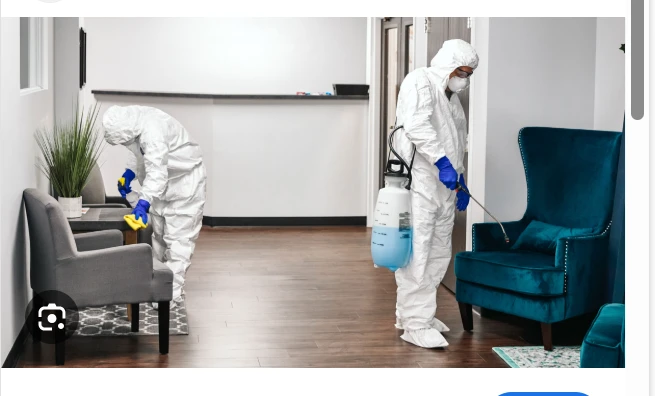
Introduction to Professional Disinfection Services
In today’s world, where public health awareness is at its peak, the role of a disinfection specialist has become more critical than ever. These professionals work to eliminate harmful pathogens, reduce the spread of infectious diseases, and maintain safe environments for both residential and commercial spaces. Whether it is a hospital, office, school, or public facility, a well-trained expert in disinfection ensures that every surface and area meets health and safety standards.
What a Disinfection Specialist Does
A disinfection specialist is responsible for applying specialized cleaning techniques, disinfectants, and equipment to control the spread of bacteria, viruses, and other harmful microorganisms. Unlike regular cleaning staff, these professionals undergo advanced training to handle biohazards, select the correct disinfecting agents, and ensure compliance with safety regulations. Their work often includes:
- Assessing contamination risks in a given space
- Selecting appropriate disinfectants for specific pathogens
- Using advanced tools such as electrostatic sprayers and foggers
- Following strict safety and protective gear protocols
- Documenting the disinfection process for quality assurance
Importance of Hiring a Qualified Professional
Hiring a qualified disinfection specialist is essential for businesses, healthcare facilities, and public institutions. Without proper disinfection, harmful microorganisms can linger on surfaces, leading to outbreaks and public health risks. A professional ensures that:
- High-touch areas are properly sanitized
- The right disinfectants are used for targeted pathogens
- Procedures follow government health guidelines
- The risk of disease transmission is minimized
Key Skills and Qualifications
To become effective in their role, a disinfection specialist must possess a unique set of skills and qualifications, such as:
- Knowledge of different pathogens and their control methods
- Familiarity with chemical safety and handling
- Competence in using specialized disinfection equipment
- Understanding of environmental health regulations
- Strong attention to detail to ensure thorough coverage
Advanced Disinfection Techniques
Professional disinfection services often go beyond simple cleaning. Depending on the nature of the contamination, a disinfection specialist may use advanced methods, including:
- Electrostatic Spraying: Ensures even coverage of disinfectants on all surfaces, including hard-to-reach areas
- Ultraviolet (UV-C) Light Treatment: Uses UV light to destroy the DNA of microorganisms, rendering them inactive
- Fogging: Disperses fine disinfectant particles in the air to treat large spaces quickly
- HEPA Filtration Systems: Removes airborne contaminants during the cleaning process
Disinfection in Healthcare Facilities
Healthcare environments require the highest level of cleanliness due to the high risk of infection. In hospitals, clinics, and laboratories, a disinfection specialist plays a crucial role in infection control. They follow stringent protocols to disinfect:
- Surgical rooms and patient areas
- Medical equipment and tools
- Waiting rooms and reception areas
- Staff break rooms and restrooms
Disinfection for Commercial and Public Spaces
Businesses, schools, gyms, and other public areas also require professional disinfection to maintain a safe environment for employees and visitors. Regular disinfection schedules prevent the spread of illnesses, improve public confidence, and help organizations comply with health regulations.
The Role in Emergency Response
During health crises, such as the COVID-19 pandemic, the demand for disinfection specialists increases significantly. They are often called to disinfect contaminated spaces quickly to allow safe re-entry. Their work helps in breaking the chain of infection and restoring normal operations faster.
Choosing the Right Service Provider
When selecting a disinfection specialist, it is important to verify their certifications, training, and experience. A reputable provider should:
- Be licensed and insured
- Use environmentally friendly and approved disinfectants
- Offer customized disinfection plans
- Provide detailed service reports for accountability
Conclusion
A disinfection specialist is more than just a cleaner; they are a trained professional dedicated to protecting health and preventing the spread of dangerous microorganisms. By applying advanced techniques and adhering to strict safety protocols, these experts ensure that environments remain safe, healthy, and compliant with regulations. In an age where public health is a top priority, their role is indispensable.



























Sign in to leave a comment.