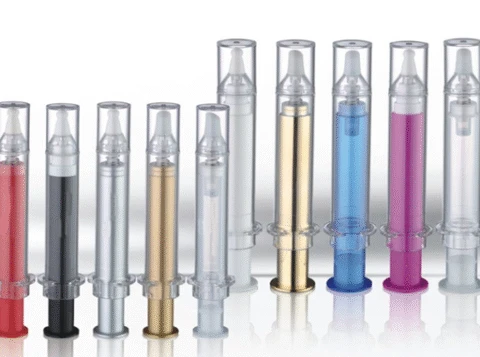
Microbial control has become one of the most important considerations in modern skincare packaging. As formulations grow more advanced, with higher concentrations of actives, reduced preservative systems, and increasing demand for clean-beauty standards, maintaining product purity throughout the use cycle is essential. Packaging engineers and formulation experts now prioritise solutions that stop contamination at the source. This is where the structure and functionality of a double-walled airless pump bottle play an essential role. Its airtight dispensing system helps protect sensitive ingredients and prevents direct exposure to air, moisture, and user contact.
Why Microbial Contamination Is a Critical Concern in Skincare
Microbial contamination doesn’t just affect product freshness; it can impact performance, consistency, and consumer safety. Several factors contribute to contamination risks:
- Frequent exposure to the air through repeated opening
- Direct finger contact during application
- Moisture intrusion in bathroom settings
- Breakdown of preservative effectiveness over time
- Vulnerability of active-rich formulations such as vitamin C, peptides, and AHA/BHA blends
A study from various industry reports indicates that preservation systems alone are not enough when formula sensitivity increases. This has pushed packaging design to become a core component of product safety, not just a delivery system.
How Airless Packaging Supports Safer Skincare Dispensing
Airless technology improves microbial safety through multiple mechanisms:
1. Airtight interior structure
The pump creates a vacuum effect, preventing air from re-entering the container.
2. Controlled, non-contact dispensing
The product exits through a sealed pathway, limiting user contamination.
3. Consistent barrier protection
The formula remains stable from the first to the final use.
4. Reduced reliance on strong preservatives
Formulators can create gentler, cleaner formulations with lower preservative loads.
These collective benefits make airless packaging especially suitable for natural skincare, dermatological treatments, and active ingredient blends.
Why the Dual-Wall Structure Enhances Safety Further
The dual-wall design adds an extra layer of protection by using two shells: an outer wall for visual aesthetics and an inner chamber that houses the formula. This creates:
- Better insulation against temperature fluctuations
- Improved resistance against UV light
- Structural durability against pressure, travel, and consumer handling
- A secure internal path that prevents backflow or microbiological intrusion
This is where the engineering strength of a double-walled airless pump bottle becomes evident. The layered build helps maintain a consistent internal environment that supports formula longevity and hygienic dispensing.
Contamination Risks in Traditional Packaging vs. Airless Systems
Packaging Type
Primary Contamination Risk
User Exposure Level
Preservative Dependence
Open Jars
Finger contact, air exposure
High
High
Squeeze Tubes
Backflow, cross-contamination
Moderate
Moderate
Traditional Pumps
Air re-entry through dip tubes
Moderate
Moderate
Airless Pump Bottles
Minimal air contact, sealed system
Low
Low
Double-Walled Airless Bottles
Enhanced barrier and insulation
Very Low
Low
The Role of Material Selection in Contamination Control
Material engineering also influences microbial safety. Packaging teams often evaluate:
- PP and PET compatibility
- UV-blocking additives
- Oxygen transmission rates
- Durability under repeated pumping
- Suitability for sensitive or probiotic formulations
Double-walled formats often outperform single-walled systems because the outer layer helps reduce environmental stress, while the inner chamber ensures airtight protection.
The adoption of a double walled airless pump bottle has increased as brands reformulate products to reduce synthetic preservatives while keeping microbial stability intact. As a result, many teams are also exploring dual-chamber airless bottles for multi-phase skincare, allowing formulas to remain isolated until dispensing time. This separation minimises interactions that typically accelerate contamination or breakdown.
H2: Where Dual-Chamber Systems Fit Into Microbial Safety
While not identical to double-walled designs, dual chamber airless pump bottles also contribute to contamination control by preventing two formulas from interacting prematurely. These systems work well for:
- Booster serums
- Mix-on-application treatments
- Probiotic skincare
- Multi-active blends that degrade when combined early
This approach further emphasises the need for packaging solutions that support formula freshness through the entire product lifecycle.
Practical Considerations Before Choosing Airless Packaging
Brands and engineers typically review several factors before adopting an advanced airless design:
Product Type Compatibility
- Creams
- Serums
- Gels
- Concentrated actives
Viscosity Requirements
Higher viscosity products benefit most from vacuum-based dispensing.
Aesthetic Goals
Double-walled structures provide a premium look, often expected in modern skincare.
Sustainability Targets
Refillable or mono-material options may help reduce environmental impact.
Testing Needs
- Pump efficiency
- Oxygen transmission
- UV exposure resistance
- Travel durability
Conclusion
As the demand for cleaner, safer, and more stable skincare grows, packaging innovation plays a central role in microbial prevention. The design and functionality of a dual chamber airless pump bottles support consistent formula purity, reduced contamination pathways, and safer consumer use.
For brands seeking advanced product protection, airtight delivery systems remain an essential part of developing stable, hygienic, and high-performance skincare packaging.





























Sign in to leave a comment.