
Loss of mobility is one of the most challenging aspects of aging. For many seniors, even simple daily activities—getting out of bed, sitting in a chair, or using the restroom—can become complicated and risky. Family caregivers and healthcare professionals often face physical strain, back injuries, and emotional stress while trying to move or transfer elderly individuals safely. These challenges make the role of reliable transfer equipment essential.
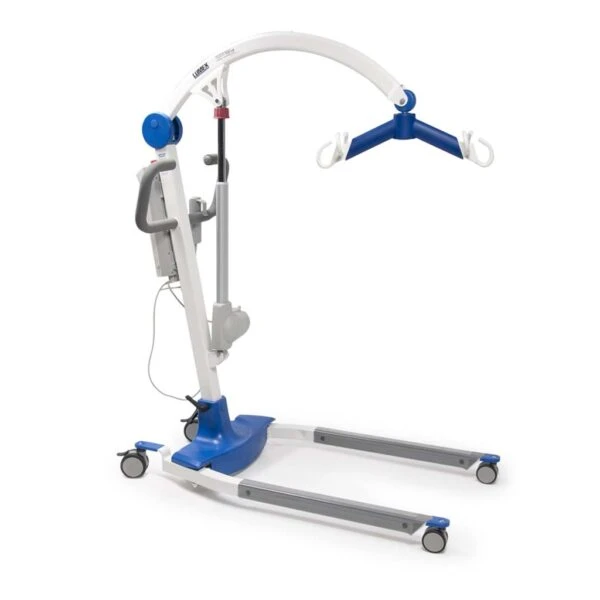
An electric Hoyer lift for sale offers a vital solution to this growing need. By combining safety, comfort, and mechanical efficiency, these devices reduce physical exertion for caregivers and minimize discomfort for seniors. More importantly, they help maintain the dignity and independence of individuals with limited mobility, whether in home settings, assisted living environments, or hospitals.
Why Electric Hoyer Lifts Are Crucial in Senior Care
In elderly care, safety and proper mobility support are not luxuries—they are necessities. An electric Hoyer lift uses a battery-powered or plug-in motor to lift and transfer a person smoothly from one surface to another. Compared to hydraulic or manual lifts, electric models require far less physical effort and provide more controlled, consistent movements.
For older adults recovering from surgeries, dealing with chronic illnesses like Parkinson’s or arthritis, or those who are bedridden, transfers are frequent and delicate. The electric lift minimizes the risk of falls, skin tears, or joint pain during these transitions. Caregivers also experience less fatigue and can perform transfers alone when needed, without compromising safety.
Hoyer lifts are also beneficial for bariatric patients, as many models are built to handle higher weight capacities. Their design prioritizes smooth motion, stability, and user comfort—key elements in preserving patient confidence during movement.
Key Features That Enhance Safety and Comfort
An electric Hoyer lift is more than a mechanical aid—it’s a thoughtfully designed piece of medical equipment aimed at improving quality of life. Some of its most valuable features include:
- Power-assisted lifting: Electric controls ensure consistent lifting and lowering, reducing manual strain and the risk of jerky movements.
- Emergency stop function: All electric Hoyer lifts include an emergency shut-off button to immediately halt motion if something goes wrong.
- Adjustable lifting speed: Caregivers can customize lifting speeds based on the patient’s comfort level or health condition.
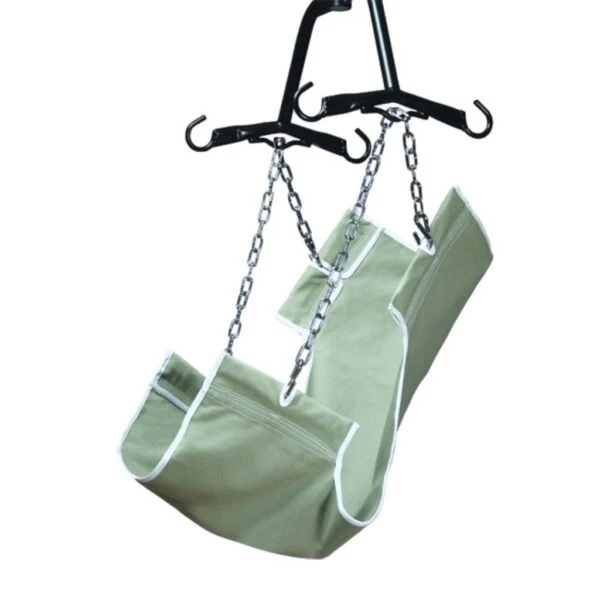
- Ergonomic slings: Slings are designed to distribute body weight evenly, prevent pressure sores, and provide secure support during transfers.
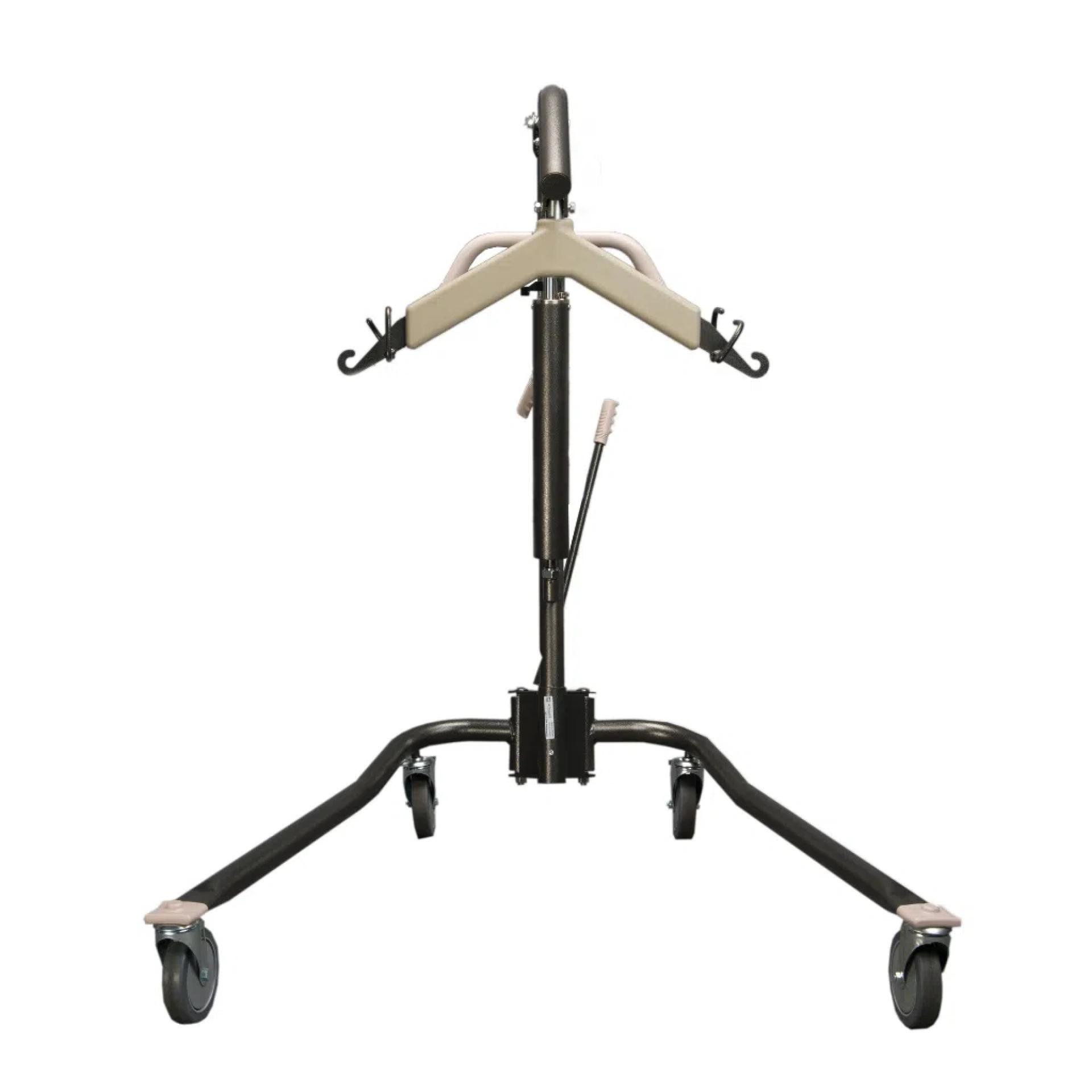
- Wide base and locking casters: These features enhance stability, especially when moving across uneven surfaces.
Together, these elements create a safe and reliable system for moving patients who cannot stand or bear weight independently.
Practical Considerations Before Buying an Electric Hoyer Lift
Selecting the right model requires more than comparing prices. For long-term elderly care, the lift must meet the specific needs of both the patient and caregiver. Consider the following factors:
- Weight capacity: Ensure the lift can comfortably support the patient’s body weight, especially in bariatric cases.
- Lift height and range: The lift should be capable of reaching low positions (for patients fallen to the floor) and high enough to clear tall beds or recliners.
- Battery type and charging: Many modern lifts use rechargeable batteries; checking battery life and ease of replacement is crucial.
- Portability: Foldable or compact designs are better for home use or small spaces.
- Sling compatibility: Always use slings designed for the specific lift model for maximum safety and comfort.
The goal is to select a lift that provides dependable performance while being easy to operate and maintain over time.
Safe Operation: How to Use an Electric Hoyer Lift with One Person
Using an electric Hoyer lift can often be managed by a single caregiver, provided they are properly trained. The following general process outlines safe operation:
- Prepare the patient: Explain each step calmly to reduce anxiety. Ensure the area is clear of obstacles.
- Position the sling: Roll the patient gently to one side and slide the sling underneath their body, making sure it supports their shoulders to thighs evenly.
- Attach the sling to the lift: Secure the loops of the sling to the spreader bar. Double-check all connections.
- Activate the lift: Using the control panel or remote, slowly raise the patient until they are suspended just above the bed.
- Move carefully: Unlock the casters, position the lift near the target surface, then relock the wheels.
- Lower and settle: Gradually lower the patient into position, ensuring they are comfortable before removing the sling.
Proper training and adherence to manufacturer instructions are essential to ensure a safe transfer every time.
Common Problems with Hoyer Lifts and How to Prevent Them
Like all medical equipment, Hoyer lifts can experience occasional issues, especially with frequent use. Understanding common problems can help prevent accidents:
- Battery or power issues: Regularly charge the battery and replace it according to the manufacturer’s schedule.
- Worn slings or straps: Inspect for fraying or damage before each use. A compromised sling can cause serious injury.
- Loose bolts or joints: Check all mechanical parts periodically and tighten them as needed.
- Jerky motion or noise: This could indicate low hydraulic fluid or mechanical wear; professional servicing may be needed.
Routine maintenance and visual inspections ensure the lift continues to perform reliably and safely over time.
Essential Safety Precautions When Using a Hoyer Lift
When using a Hoyer lift—electric or manual—safety is non-negotiable. Caregivers should follow these precautions at all times:
- Always ensure the base is fully opened for stability before lifting.
- Never move the lift while the patient is suspended high off the ground.
- Use the correct sling type and size for each patient.
- Keep communication open with the patient during every step.
- Avoid sudden movements, and ensure casters are locked during lifting or lowering.
- Learn to use the emergency lowering feature in case of power failure.
These steps help prevent falls, reduce stress, and provide reassurance for both the caregiver and the patient.
Long-Term Advantages of an Electric Hoyer Lift
For elderly individuals requiring daily assistance, an electric lift transforms caregiving from a strenuous physical task into a safer, more dignified process. It also enables one caregiver to manage transfers efficiently, reducing staffing needs in care facilities.
For seniors, the consistent, smooth operation reduces fear and discomfort during movement, promoting mental well-being alongside physical safety. Over time, this not only enhances quality of life but also helps caregivers maintain their own health and energy levels.
FAQs:
1. What issues can occur with Hoyer lifts?
Minor issues like low battery, worn slings, or jammed casters are common. Regular checks and maintenance help keep the lift safe and smooth.
2. How can I ensure safe lifting with a Hoyer lift?
Always check sling strength, lock wheels, and lift slowly. Communicate with the patient and never exceed weight limits.
3. Can one person use an electric Hoyer lift?
Yes, a trained caregiver can. Just make sure the sling is secure, lift gradually, and stay near the patient at all times.
Final Thoughts
An electric Hoyer lift is more than a piece of medical equipment—it represents a thoughtful approach to caregiving that prioritizes safety, efficiency, and respect for the elderly. As mobility challenges increase with age, having the right assistive device becomes essential to maintaining both physical safety and emotional comfort.
Whether in a homecare environment or a long-term care facility, the electric Hoyer lift provides caregivers with reliable support and seniors with a sense of security. By understanding its operation, safety measures, and maintenance, families and professionals can create a safer, more compassionate care experience that truly meets the needs of aging individuals.





























Sign in to leave a comment.