
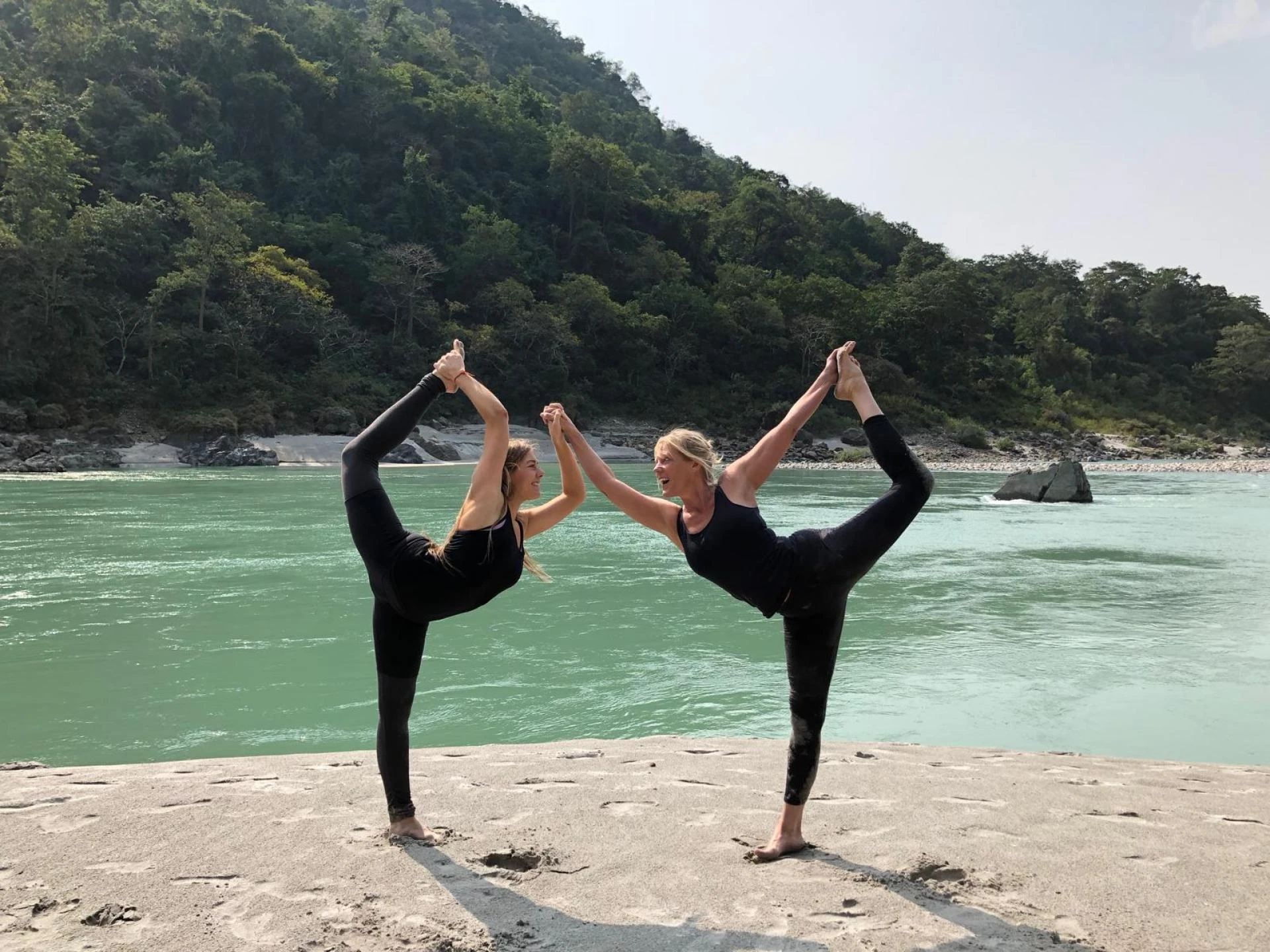
In a world driven by constant stimulation—caffeine, screens, and busy schedules—many people experience chronic fatigue despite resting or exercising regularly. The missing link is often how we breathe. Breath is the most direct way to influence energy, focus, and emotional balance. Yoga has long recognized breath as the gateway to natural vitality.
When breath flows freely, energy follows.
Understanding Energy Through Breath
In yoga, energy is known as prana, the life force that sustains all physical and mental activity. Shallow, irregular breathing restricts prana, leading to low energy, tension, and mental fog.
Conscious breathing restores this flow, supporting:
- Oxygen delivery
- Nervous system balance
- Metabolic efficiency
- Mental clarity
These principles are foundational in yoga teacher training, where breathwork is taught as a core practice.
How Modern Breathing Drains Energy
Stress, prolonged sitting, and multitasking encourage shallow chest breathing. Over time, this pattern:
- Reduces oxygen exchange
- Increases fatigue
- Elevates stress hormones
- Disrupts focus and sleep
Yoga corrects these patterns through breath awareness and pranayama.
Breath and the Nervous System
Breath is the fastest way to shift the nervous system. Slow, deep breathing activates the parasympathetic response, allowing the body to conserve and restore energy.
Balanced breathing:
- Lowers cortisol
- Improves heart rate variability
- Enhances recovery
- Stabilizes mood
This regulation is emphasized in 200 Hour Yoga Teacher Training course in India, where students learn to use breath therapeutically.
Pranayama Techniques for Natural Energy
Different breathing techniques influence energy levels in specific ways.
Energizing and balancing practices include:
- Anulom Vilom for equilibrium
- Bhastrika for gentle stimulation
- Kapalbhati for cleansing and activation
These techniques increase vitality without causing overstimulation when practiced mindfully.
Breath and Physical Endurance
Proper breathing improves endurance by delivering oxygen efficiently to muscles. Breath-synchronized movement prevents early fatigue and enhances stamina—key benefits observed in yoga practice.
Emotional Energy and Breath Awareness
Emotional stress drains energy. Breath awareness calms mental turbulence, helping release stored emotional tension and restore inner balance.
Meditative breathing practices support:
- Emotional regulation
- Mental clarity
- Sustained focus
Integrating Breath Into Daily Life
You don’t need long sessions to feel the benefits. Even a few minutes of conscious breathing can reset energy levels.
Simple practices:
- Slow nasal breathing breaks
- Breath awareness during movement
- Evening calming breathwork
These habits are encouraged in traditional yoga teacher training in Rishikesh as part of daily self-care.
Teaching Breath for Energy Awareness
For aspiring instructors, understanding breath’s role in energy regulation is essential. In yoga teacher training, students learn anatomy, pranayama, and sequencing techniques that integrate breath and movement effectively.
Final Thoughts
Breath is a powerful, natural tool for unlocking sustainable energy. Unlike stimulants, conscious breathing restores vitality from within—without side effects or crashes.
Yoga reminds us that energy is not something we need to create—it’s something we need to allow. By breathing with awareness, we reconnect to the natural rhythm of vitality already within us.


Sign in to leave a comment.