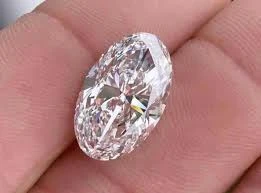
When exploring ethically sourced and sustainable alternatives in the jewelry market, certified options continue to shape informed decision-making. Diamonds Above, a respected name in fine jewelry, features a diverse collection of lab-created gems that reflect the evolving preferences of modern buyers. As interest in more conscious purchases grows, buyers often encounter a crucial term throughout their search—certification. But what does this mean for those considering such a purchase, and how does it influence the value or trust placed in a gemstone?
Let’s explore how certification influences the buying experience and what questions can lead to a more informed, confident diamond purchase.
Why Certification is a Non-Negotiable
Certification serves as a formal assurance of quality, origin, and specifications. It’s a document issued by independent gemological laboratories that outlines critical attributes such as carat weight, cut, color, clarity, and whether the stone is natural or lab-created. When evaluating certified lab-grown diamonds, this documentation becomes the foundation for trust. Buyers gain clarity on what they're investing in, eliminating the guesswork and marketing ambiguity that sometimes clouds diamond purchases.
Reputable sources like Diamonds Above provide only stones accompanied by trusted certifications such as IGI or GIA. These certificates offer more than a paper trail—they build confidence in the ethical sourcing, durability, and precise characteristics of each gem.
What Certification Actually Proves
There’s a common misconception that all diamonds—whether mined or lab-created—are graded equally. However, the source of the certification makes a considerable difference. Independent labs typically assess the production method of a lab-created diamond, such as formation through high-pressure, high-temperature (HPHT), or chemical vapor deposition (CVD). The certificate will also specify if any post-growth treatments have been applied.
This transparency matters for several reasons. For one, it assures the diamond's consistency with advertised qualities. More importantly, it protects the buyer’s investment by offering standardized metrics for resale, insurance, or appraisal purposes. In the absence of certification, even visually identical stones can differ vastly in value.
Trust, Value, and Vendor Transparency
Trust is not just earned through branding but through openness about the product’s origin and properties. Retailers like Diamonds Above foster that transparency by clearly listing certifications alongside each diamond. This direct approach allows consumers to match the certificate details with the stone being offered, helping reduce the risk of misinformation or inflated valuations.
When comparing options, asking to view the certificate in advance, requesting the issuing laboratory, and checking for consistency in grading standards are reasonable expectations. These steps allow buyers to validate whether the certification is from a globally recognized authority.
Regional Demand and the Rise of Certified Alternatives
Markets like Austin have shown a growing interest in certified, lab-created stones that align with both ethical values and budget-conscious goals. The demand for lab-grown engagement rings in Austin reflects a broader trend—buyers want meaningful, traceable jewelry that doesn’t compromise on beauty or value. Certification ensures that this demand is met with accountability, allowing customers to confidently navigate options in a city known for individual expression and conscious living.
Vendors like Diamonds Above cater to this need by offering a wide assortment of certified rings that align with specific lifestyle choices. From solitaire classics to halo settings, each ring is backed by documentation that verifies its properties and origin.
Conclusion: Certification as a Buying Compass
Certification is more than a technicality—it is a vital checkpoint in the buying journey. For lab-grown diamond buyers, it ensures that every purchase is supported by transparent, objective grading. Companies like Diamonds Above have helped standardize this approach by prioritizing certified inventory, ultimately supporting trust, resale value, and customer confidence.
Whether shopping in Austin or browsing online, the right questions—and the presence of certification—can make all the difference in a smart and secure diamond purchase.
Visit the relevant website for more information on certified options, detailed listings, and helpful insights to guide your diamond-buying journey.



























Sign in to leave a comment.