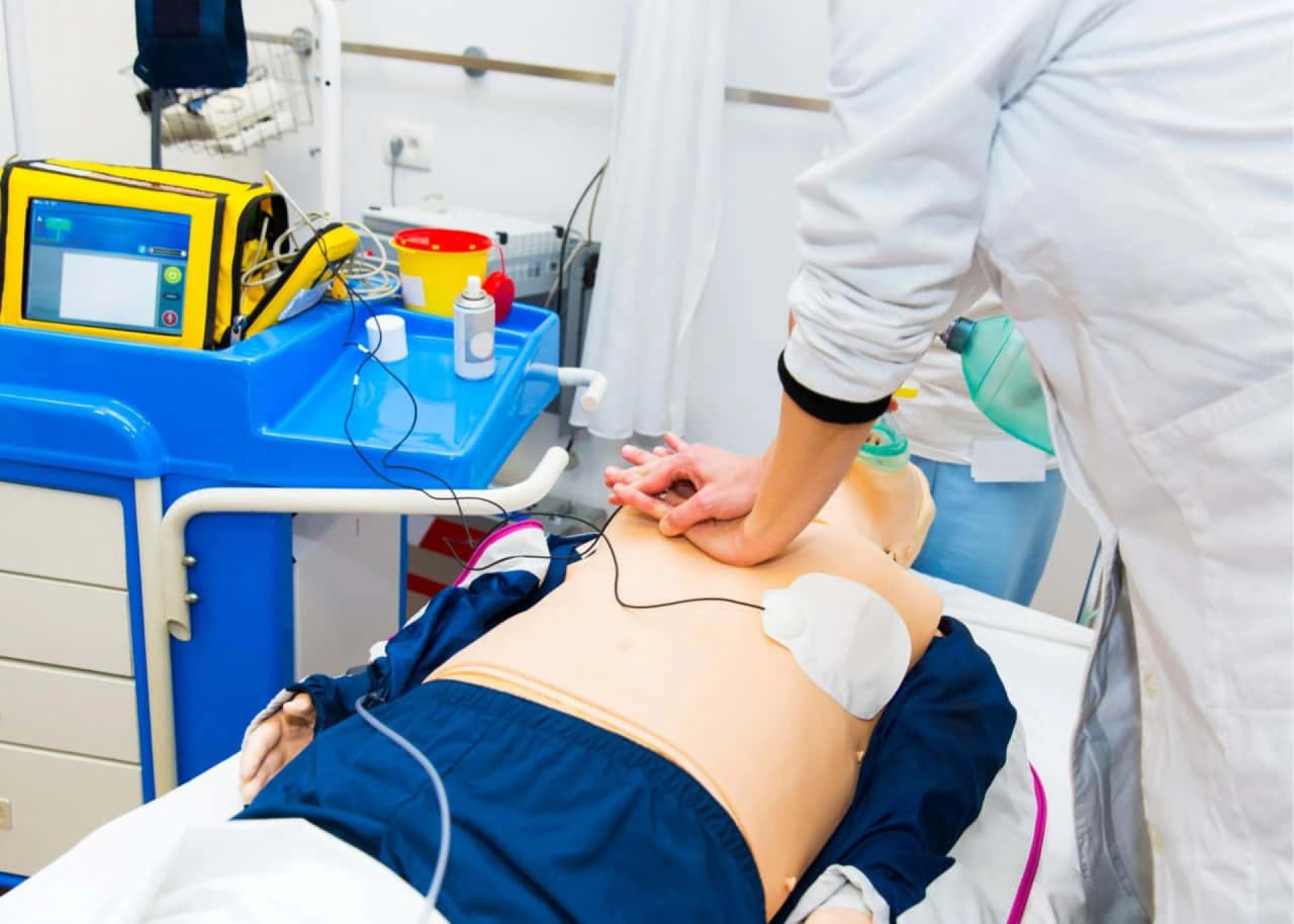

Workplace safety is a top priority for employers, and CPR & AED (Automated External Defibrillator) training plays a critical role in ensuring a safe environment for employees. In emergencies like sudden cardiac arrest, quick action can save lives.
Here’s why CPR & AED training should be a must-have for every workplace:
1. Responding to Cardiac Emergencies
Cardiac arrest can happen suddenly, and when it does, every second counts. Employees trained in CPR & AED can take immediate action, performing chest compressions and using the AED to restore a normal heart rhythm. Early intervention significantly improves the chances of survival and reduces the risk of long-term damage. Studies have shown that immediate CPR can double or even triple the chances of survival for a person experiencing sudden cardiac arrest. Having employees trained in first aid and BLS (Basic Life Support) ensures that help is available as soon as the emergency occurs.
2. Reducing Workplace Injury and Death
Having trained staff ready to respond to emergencies reduces the risk of workplace fatalities. Many workplaces, especially those in high-risk industries, can benefit from employees who are proficient in CPR & AED training. It's an investment in both employee health and the overall safety culture of the organization. Whether in construction, manufacturing, or healthcare, the ability to respond quickly to a cardiac emergency can make the difference between life and death. Moreover, employers who invest in CPR & AED training demonstrate a commitment to the health and well-being of their workforce, which can enhance employee morale and retention.
3. Complying with Workplace Safety Regulations
In many industries, workplace safety regulations require that certain employees be trained in CPR & AED to ensure a quick response in emergencies. This is especially true for workplaces with high-risk environments, such as construction sites, factories, and healthcare facilities. By ensuring employees are trained, businesses can meet safety compliance standards and avoid penalties.
Employers who fail to provide necessary safety training may face legal consequences, including fines and lawsuits. Therefore, offering CPR & AED training is not only a life-saving measure but also a legal and ethical responsibility for employers.
4. Enhancing Employee Confidence
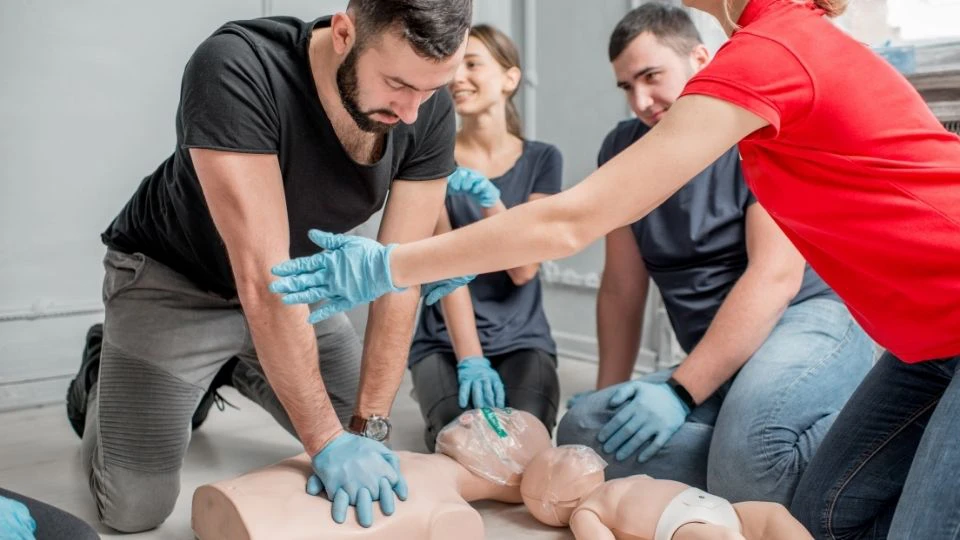
When employees are trained in CPR & AED, they feel more confident in their ability to respond to emergencies. This sense of empowerment can improve overall workplace morale and create a safer, more supportive environment for everyone. Knowing that colleagues are prepared to help in an emergency also fosters a culture of teamwork and responsibility. Employees who are confident in their ability to act in emergencies are more likely to step up when needed, reducing hesitation and increasing the likelihood of a positive outcome.
5. Improving Company Reputation
Employers who invest in CPR & AED training demonstrate a commitment to the well-being of their employees. This not only improves workplace safety but also enhances the company’s reputation as a responsible and caring employer. This can lead to increased employee retention and attract top talent who value a safe work environment. Furthermore, companies with well-trained employees are less likely to experience costly lawsuits or insurance claims related to workplace injuries. In today’s competitive job market, offering CPR & AED training can set your company apart from others and help you attract and retain the best employees.
How CPR & AED Training Contributes to a Positive Workplace Culture
A workplace that prioritizes CPR & AED training fosters a culture of care, responsibility, and teamwork. When employees are trained to respond to emergencies, they feel more confident and supported, knowing that their colleagues are equipped to handle critical situations. This sense of security contributes to a positive workplace culture, where employees are more likely to look out for one another. Additionally, companies that invest in life-saving training demonstrate their commitment to employee well-being, which can improve morale and job satisfaction. As a result, employees are more engaged, loyal, and productive, leading to better overall performance for the company.

Legal and Liability Considerations for Employers Providing CPR & AED Training
When employers offer CPR & AED training to their employees, they are not only investing in the safety of their workforce but also addressing potential legal and liability concerns. In many regions, businesses are encouraged, or even required, to provide life-saving training to ensure that employees are prepared for emergencies.
Offering CPR & AED training can also reduce the legal risks associated with workplace accidents. If an employee is trained in CPR and uses it to save a colleague’s life, the company may benefit from liability protections, as long as the responder acted within the scope of their training. Understanding these legal aspects is essential for employers to ensure they are compliant with safety regulations while providing peace of mind to their staff.
The Benefits of CPR & AED Training in Workplace Safety
CPR & AED training is a critical aspect of workplace safety, especially in environments where employees are at a higher risk of sudden cardiac arrest. By providing employees with the knowledge and skills to respond quickly and effectively to a cardiac emergency, employers can significantly reduce the chances of a fatal outcome. CPR & AED training empowers employees to act immediately, using life-saving techniques until emergency medical professionals arrive. This training not only enhances the safety of the workplace but also fosters a culture of preparedness, ensuring that all employees are equipped to handle emergencies confidently. Moreover, having trained staff members can lead to faster response times, increasing the likelihood of survival for individuals experiencing cardiac arrest.
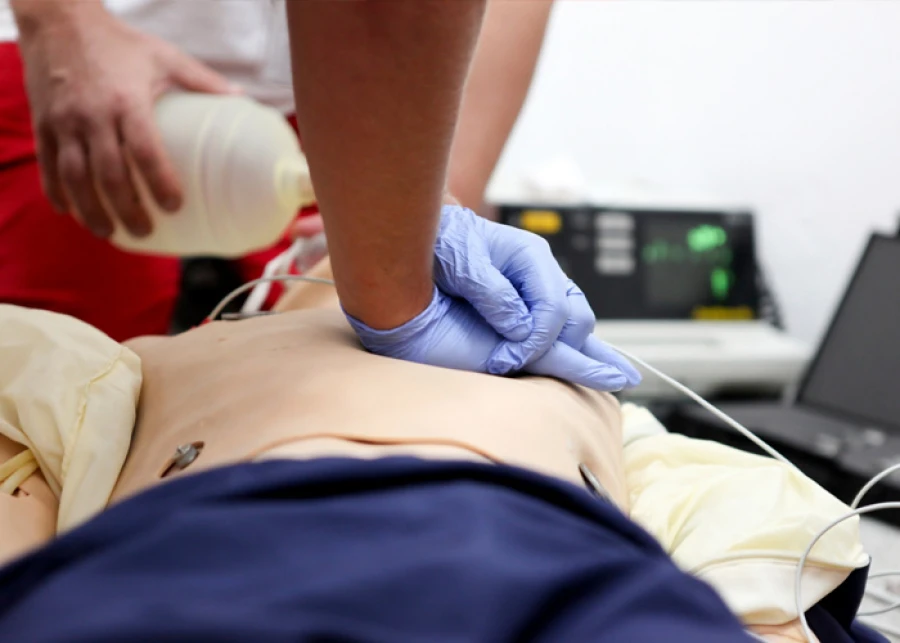
CPR, ACLS & PALS Training Institute LLC. understands the importance of preparedness in the workplace. Equip your employees with the life-saving skills they need by enrolling in their CPR & AED training courses today. Call them now for more details.























Sign in to leave a comment.