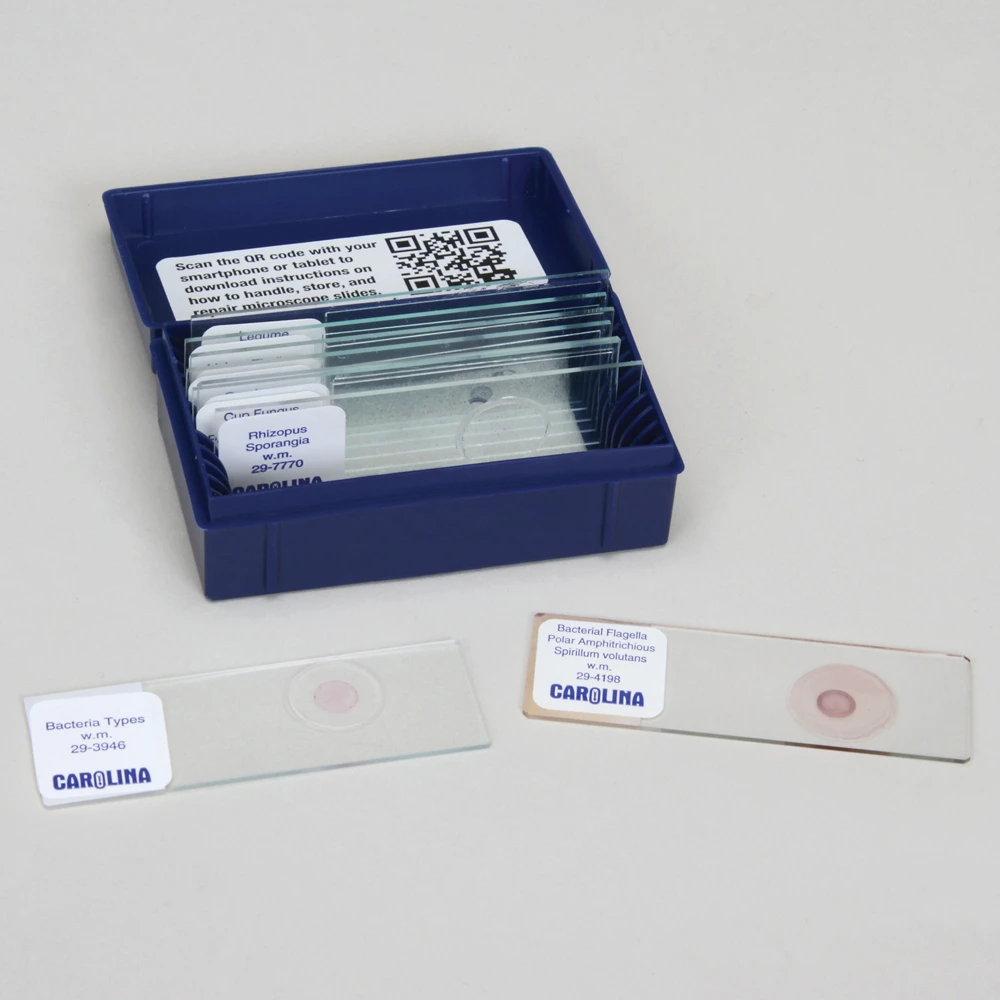

How do fungi contribute to ecosystems, and why are they an integral part of biological education? Fungi, often overlooked in the curriculum, play a vital role in life cycles, symbiotic relationships, and decomposition processes. With increasing global focus on ecological sustainability, educators have an opportunity to highlight fungi’s role using effective tools like fungi microscope slides.
These slides serve as a gateway for students to visualize and understand the structure, reproduction, and ecological significance of fungi. By integrating fungi microscope slide sets into classroom instruction, educators can enhance understanding and spark curiosity about this essential kingdom of life.
This article explores how fungi microscope slides can support teaching life cycles, symbiosis, and decomposition, alongside suggested experiments and discussions to demonstrate their ecological importance. Educators will discover practical ways to bring biology to life while fostering a deeper appreciation for fungi’s role in sustaining ecosystems.
The Role of Fungi in Ecosystems
Fungi occupy diverse ecological niches and are indispensable to life on Earth. Their roles include:
· Decomposers: Fungi break down complex organic matter, recycling nutrients back into the environment.
· Symbionts: Many fungi form mutualistic relationships, such as mycorrhizae with plants, where they enhance nutrient absorption.
· Pathogens and Parasites: Fungi can regulate population dynamics in ecosystems by parasitizing plants and animals.
Fungi’s ability to influence nutrient cycles and form critical relationships underscores their ecological significance. Incorporating prepared microscope slide sets of fungi in teaching offers a unique opportunity to visualize these processes and engage students in discussions about their importance.
Teaching Life Cycles with Fungi Microscope Slides
Fungi have diverse reproductive strategies, including both sexual and asexual reproduction. Teaching these life cycles becomes more impactful when students can observe them directly. Microscope slides featuring stages such as:
· Zygospore Formation: Found in zygomycetes, these slides illustrate sexual reproduction stages.
· Basidia and Basidiospores: These structures highlight reproductive processes in basidiomycetes.
· Asci and Ascospores: Common in ascomycetes, these slides offer insights into spore formation and dispersal.
Using prepared microscope slide sets, educators can guide students in identifying fungal reproductive structures, understanding spore dispersal mechanisms, and appreciating the complexity of fungal reproduction.
Suggested Classroom Activities
· Comparative Analysis: Provide slides of different fungi’s reproductive structures. Have students compare and contrast the morphological differences between ascomycetes, basidiomycetes, and zygomycetes.
· Spore Staining Experiment: Combine prepared slides with live cultures to teach staining techniques that differentiate between spore types.
Exploring Symbiotic Relationships
Fungi are essential in symbiosis, contributing to ecological stability and biodiversity. Key examples include:
· Mycorrhizal Fungi: Found in association with plant roots, these fungi enhance nutrient uptake while receiving carbohydrates from the plant.
· Lichens: A symbiosis between fungi and photosynthetic organisms, lichens thrive in extreme conditions and contribute to soil formation.
Fungi microscope slides of mycorrhizae and lichens allow students to observe these partnerships at a cellular level, promoting a deeper understanding of mutualism.
Classroom Discussions
· Ecological Benefits: Discuss the role of mycorrhizal fungi in increasing crop yields and their implications for sustainable agriculture.
· Indicator Species: Highlight lichens as bioindicators of air quality and environmental health.
Understanding Decomposition and Nutrient Recycling
Fungi play a pivotal role in decomposition by breaking down organic material into simpler compounds. Their enzymatic capabilities are unparalleled, making them key players in nutrient cycling.
Prepared microscope slide sets displaying fungal hyphae and sporangia provide visual examples of decomposition processes. Students can observe how fungi infiltrate organic material and break down complex molecules such as lignin and cellulose.
Hands-On Experiment
Decomposition Observation: Provide organic material inoculated with fungi. Over time, students can observe physical changes and analyze slides of fungal structures involved in the process.
Incorporating Fungi in Broader Ecological Lessons
Teaching about fungi’s roles enhances broader ecological concepts, such as:
· Carbon and Nitrogen Cycles: Demonstrating fungi’s contribution to these cycles through decomposition and symbiotic relationships.
· Biodiversity: Highlighting fungi as a diverse kingdom with species adapted to various ecological roles.
· Climate Change: Discussing fungi’s potential to sequester carbon and mitigate greenhouse gas emissions through their metabolic processes.
Using fungi microscope slides to illustrate these concepts bridges theoretical knowledge and practical understanding, preparing students for advanced studies in biology and ecology.
Why Choose Fungi Microscope Slides for Teaching?
Prepared microscope slide sets offer:
· High-Quality Visuals: Detailed, accurate representations of fungal structures.
· Ease of Use: Ready-to-use slides save time and ensure consistent results.
· Engagement: Visual learning aids capture students’ attention and foster active participation.
For educators seeking effective tools to teach biology concepts, microscope slide sets are an invaluable resource.
A New Perspective on Fungi in Education
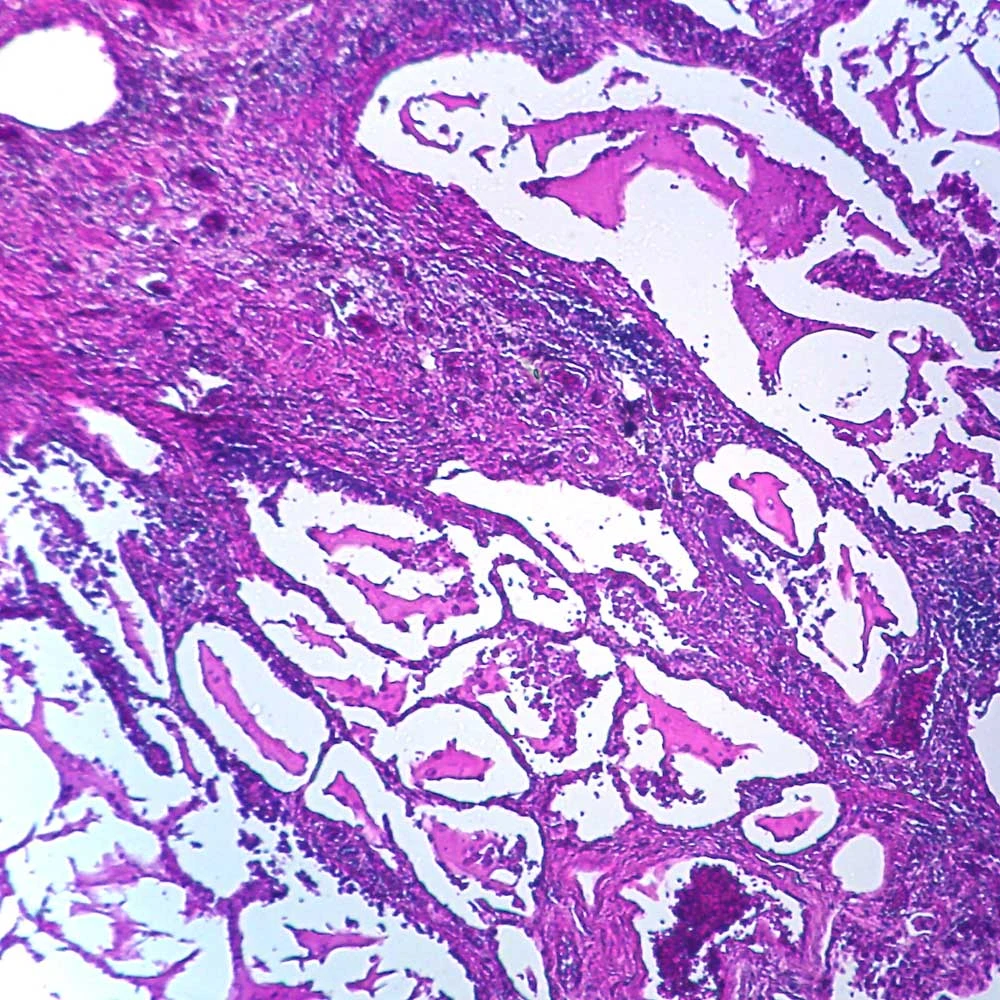
How can fungi transform the way biology is taught? By integrating fungi microscope slides into the curriculum, educators provide students with an engaging, hands-on learning experience that underscores the ecological importance of fungi. These slides not only facilitate the teaching of complex biological concepts but also foster an appreciation for fungi’s indispensable roles in ecosystems.
Blades Biological offers a wide range of biology lab supplies, including fungi microscope slides and prepared microscope slide sets, designed to meet the needs of educators. By choosing a trusted biology science supplier, teachers can access high-quality materials that enhance their curriculum and inspire the next generation of biologists. Explore their selection to equip your classroom with the tools needed to bring biology to life.



























Sign in to leave a comment.