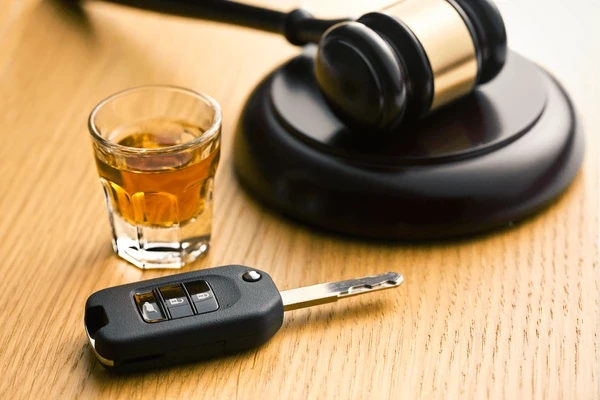

Facing a DUI (Driving Under the Influence) charge can be overwhelming. However, understanding how evidence plays a crucial role in your defense can make a significant difference. A skilled Boise DUI Attorney can help you navigate this process by identifying weaknesses in the evidence against you. Let's break down the key aspects of evidence in DUI cases and how they can lead to a dismissal.
1. The Importance of Evidence in DUI Cases
Evidence is the foundation of any DUI case. It includes:
- Observations by the Officer: Behaviors like erratic driving, slurred speech, or the smell of alcohol.
- Field Sobriety Tests (FSTs): Exercises designed to assess balance and coordination.
- Chemical Tests: Breath, blood, or urine tests measuring Blood Alcohol Content (BAC).
2. Challenging the Traffic Stop
For a DUI charge to hold, the initial traffic stop must be lawful.
- Reasonable Suspicion: Officers need a valid reason to pull you over, such as speeding or erratic driving. If they lacked this, any evidence gathered might be inadmissible. findlaw.com
3. Scrutinizing Field Sobriety Tests
FSTs are subjective and can be challenged.
- Test Conditions: Factors like uneven surfaces or poor lighting can affect performance.
- Health Issues: Medical conditions or even nervousness can lead to poor performance, unrelated to alcohol consumption.
4. Questioning Chemical Test Accuracy
Chemical tests are not foolproof.
- Breathalyzer Maintenance: If not properly calibrated, results can be inaccurate.
- Administration Errors: Incorrect test procedures can lead to false readings.
- Medical Conditions: Certain health issues can affect BAC readings.
5. Examining Officer Conduct
Proper procedure must be followed during a DUI arrest.
- Miranda Rights: If not read upon arrest, any self-incriminating statements might be excluded.
- Unlawful Searches: Evidence obtained without proper procedure can be challenged.
6. Assessing Video and Audio Evidence
Many patrol cars have recording devices.
- Dashcam Footage: Can provide a clear picture of the arrest and may contradict the officer's report.
- Body Cameras: Offer additional perspectives and can highlight procedural errors.
7. Evaluating Witness Testimonies
Witnesses can provide crucial information.
- Passenger Statements: They might attest to your sobriety.
- Third-Party Observations: Bystanders can offer unbiased accounts of events.
8. Reviewing Documentation
Paperwork errors can be pivotal.
- Police Reports: Inconsistencies or inaccuracies can weaken the prosecution's case.
- Test Records: Missing or incomplete records can lead to evidence being dismissed.
9. The Role of a Skilled Attorney
An experienced attorney can:
- Identify Weaknesses: Spot flaws in the prosecution's evidence.
- File Motions: Request to suppress inadmissible evidence.
- Negotiate: Work towards reduced charges or dismissal based on evidence issues.
10. Case Outcomes Based on Evidence
Strong evidence challenges can lead to:
- Dismissal: If key evidence is deemed inadmissible.
- Reduced Charges: Negotiations based on evidence weaknesses.
- Acquittal: If reasonable doubt is established.
In conclusion, understanding and challenging the evidence in a DUI case is essential. By meticulously examining each piece, from the initial stop to the arrest procedures, you can identify weaknesses that may lead to a dismissal. Consulting with a knowledgeable attorney, such as a Boise DUI Attorney, can provide the expertise needed to navigate this complex process.




























Sign in to leave a comment.