
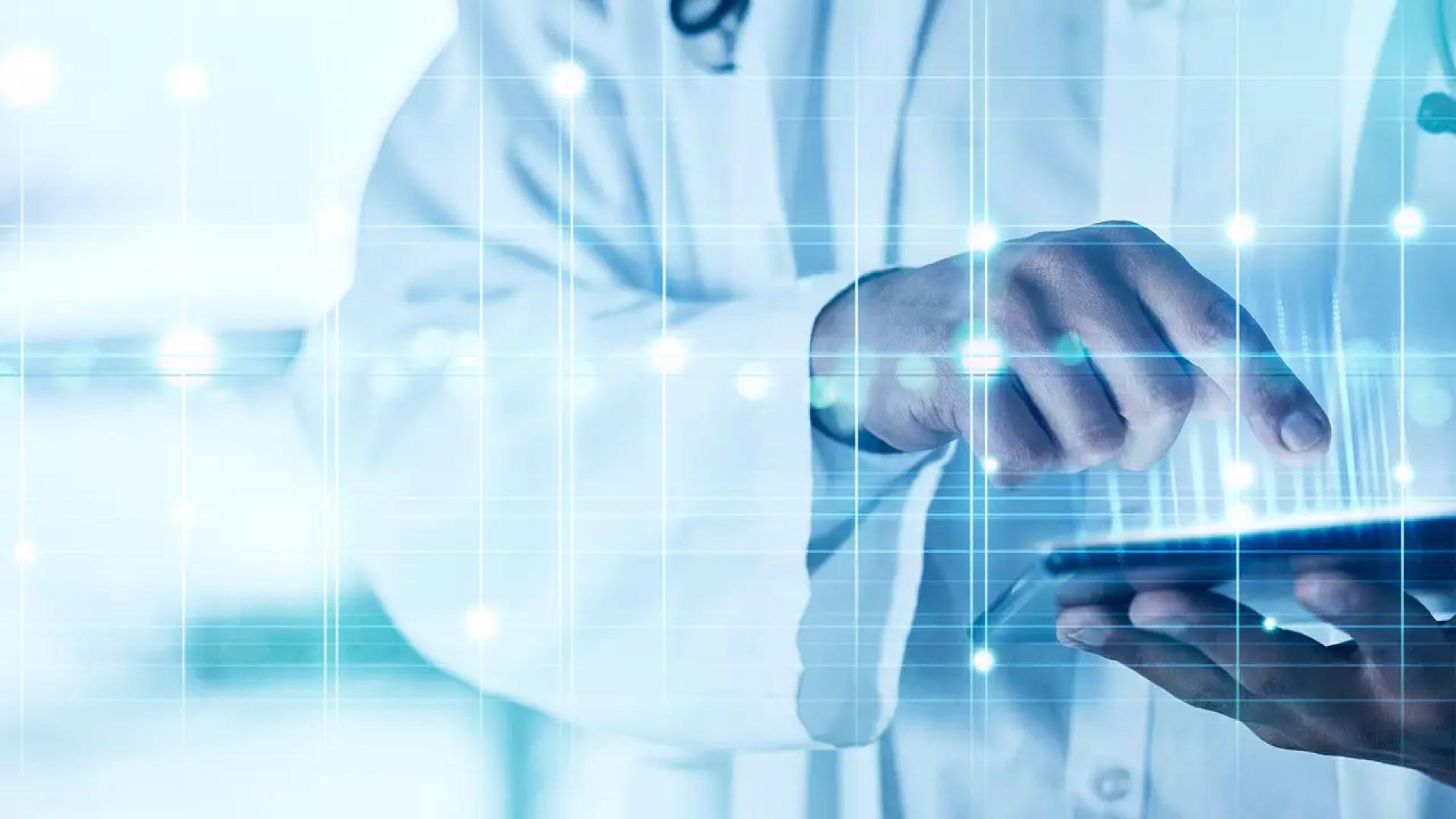
The healthcare industry is experiencing a digital revolution. Traditional systems that relied heavily on paperwork, manual processes, and fragmented communication are rapidly being replaced by modern technologies. At the heart of this transformation are Healthcare IT solutions, which are redefining the way medical professionals deliver care, how patients interact with providers, and how healthcare organizations operate.
This article explores the role of Healthcare IT solutions in modern medicine, their key applications, the challenges they face, and the opportunities they present for a healthier future.
Understanding Healthcare IT Solutions
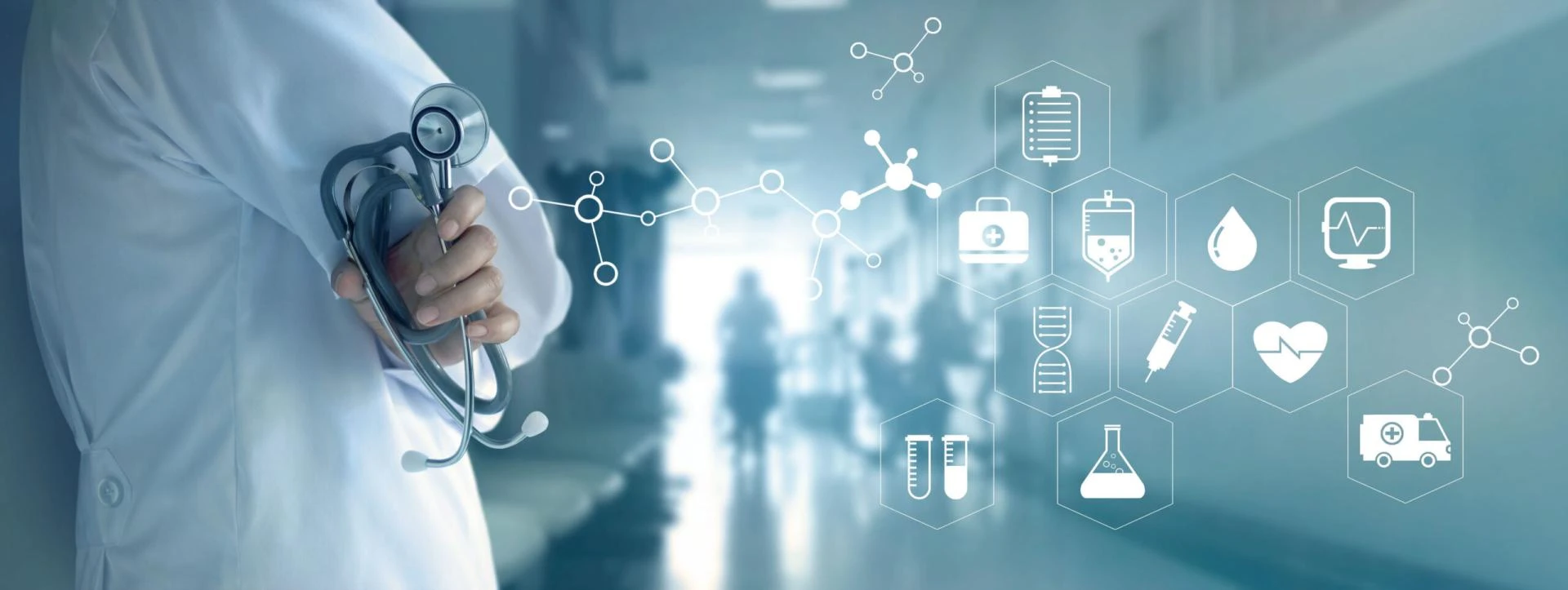
Healthcare IT solutions refer to the use of digital technologies, software systems, and data management tools to improve medical services. These solutions are designed to enhance patient care, streamline operations, reduce errors, and support evidence-based decision-making. They include everything from electronic health records (EHRs) and telemedicine platforms to cloud-based systems, artificial intelligence (AI), and cybersecurity tools.
In modern medicine, these technologies are no longer optional — they are essential for creating patient-centered, efficient, and safe healthcare ecosystems.
Key Roles of Healthcare IT Solutions in Modern Medicine
1. Enhancing Patient Care Through Digital Records
One of the most important roles of Healthcare IT solutions is the management of patient information. Electronic Health Records (EHRs) provide clinicians with quick access to medical histories, test results, prescriptions, and imaging data. This improves accuracy, reduces duplication of tests, and ensures that care is more coordinated across different departments and providers.
2. Expanding Access with Telemedicine
Telemedicine platforms have revolutionized how care is delivered, particularly in rural and underserved regions. Patients can now consult with doctors remotely using secure video calls and apps. Wearable devices further enhance this by transmitting vital health data in real time. This role is crucial in expanding healthcare access and reducing the burden on crowded hospitals.
3. Supporting Diagnostics with Artificial Intelligence
AI and machine learning have become integral to modern diagnostics. These technologies analyze imaging scans, identify disease patterns, and even predict future health risks. For instance, AI algorithms can detect anomalies in X-rays or MRIs faster than human eyes, helping doctors make more accurate and timely diagnoses.
4. Enabling Data-Driven Decision-Making
Healthcare generates vast amounts of data every day. Healthcare IT solutions make it possible to analyze this data effectively, turning it into actionable insights. Predictive analytics can identify patients at risk of chronic diseases, while population health management tools help track trends and allocate resources more effectively.
5. Ensuring Security and Compliance
With digitalization comes the responsibility of protecting sensitive health information. Cybersecurity-focused Healthcare IT solutions safeguard patient records from breaches and ransomware attacks while ensuring compliance with regulations such as HIPAA and GDPR. Security is critical to maintaining trust in digital healthcare systems.
Challenges in Implementing Healthcare IT Solutions
While the role of Healthcare IT solutions is vital, the path to full adoption is not without obstacles.
- High Implementation Costs: Deploying advanced IT systems requires significant investment in infrastructure, software, and training.
- Interoperability Issues: Many healthcare organizations use systems from different vendors that do not integrate smoothly, leading to data silos.
- Resistance to Change: Healthcare staff accustomed to traditional methods may resist new technologies, fearing disruption to workflows.
- Data Privacy Concerns: Cyber threats remain a major challenge as hackers increasingly target healthcare databases.
- Shortage of Skilled Staff: Many organizations lack professionals trained in both healthcare and IT, slowing down adoption.
Overcoming these barriers requires strategic planning, financial support, and cultural change within the healthcare system.
Opportunities That Healthcare IT Solutions Create
Despite the challenges, the opportunities offered by Healthcare IT solutions are vast:
- Personalized Medicine – By analyzing genetic, lifestyle, and clinical data, IT solutions enable more tailored treatment plans.
- Operational Efficiency – Automating administrative processes such as scheduling, billing, and claims reduces costs and human error.
- Remote Patient Monitoring – Wearable devices and mobile apps allow continuous monitoring of chronic conditions like diabetes and heart disease.
- Global Collaboration – Cloud platforms and shared data networks enable doctors and researchers across the world to work together on clinical trials and treatments.
- Improved Patient Engagement – Patient portals give individuals easy access to their records, lab results, and prescriptions, making them active participants in their own care.
The Road Ahead for Modern Medicine
The role of Healthcare IT solutions in modern medicine will only continue to grow. As technologies like AI, blockchain, and Internet of Things (IoT) mature, they will further enhance patient care and operational efficiency. Governments and private organizations can accelerate adoption by investing in training, promoting interoperability standards, and offering financial support for smaller healthcare providers.
At the same time, healthcare institutions must prioritize cybersecurity and data privacy to maintain patient trust. The ultimate goal is to create an ecosystem where technology enhances the human touch rather than replacing it.
Conclusion
The role of Healthcare IT solutions in modern medicine is nothing short of transformative. They empower healthcare providers to deliver safer, smarter, and more personalized care while making systems more efficient and accessible. Although challenges such as cost, interoperability, and security remain, the opportunities far outweigh them.
By embracing Healthcare IT solutions, modern medicine can continue to evolve into a system that is truly patient-centered, data-driven, and future-ready. The coming years will not only test the resilience of healthcare systems but also highlight the immense potential of technology to save lives and improve global health outcomes.










Sign in to leave a comment.