
In the ever-evolving landscape of modern business, the convergence of artificial intelligence (AI) and cloud computing has ushered in a new era of innovation and efficiency. Central to this transformation are hyperscalers and cloud data warehouses, which together form the backbone of the AI-driven economy. But what exactly are these entities, and how do they influence the way businesses operate and innovate?
Understanding Hyperscalers
Hyperscalers are large-scale cloud service providers that offer vast computing resources and infrastructure to support the growing demands of modern applications, including AI workloads. Companies like Amazon Web Services (AWS), Microsoft Azure, and Google Cloud are prime examples of hyperscalers. They provide scalable, flexible, and cost-effective solutions that enable businesses to process and analyze massive amounts of data.
The Rise of AI and Its Demands
The surge in AI applications, particularly generative AI, has significantly increased the demand for computational power. According to McKinsey, the demand for AI-ready data center capacity is projected to rise at an average rate of 33% per year between 2023 and 2030. This means that by 2030, around 70% of total demand for data center capacity will be for data centers equipped to host advanced AI workloads (mckinsey.com).
To meet these demands, hyperscalers are investing heavily in expanding their infrastructure. For instance, Microsoft has entered into a $17.4 billion deal with Nebius to supply AI infrastructure over five years, reflecting the growing need for high-performance AI data centers (ft.com).
The Evolution of Cloud Data Warehouses
Cloud data warehouses are centralized repositories that store and manage vast amounts of structured and unstructured data. Unlike traditional on-premises data warehouses, cloud-based solutions offer scalability, flexibility, and cost-effectiveness. Major players in this space include Snowflake, Amazon Redshift, Google BigQuery, and Azure Synapse.
These platforms are designed to handle large-scale data processing and analytics, making them ideal for AI applications. They support real-time data ingestion, complex queries, and integration with machine learning tools, enabling businesses to derive actionable insights from their data.
The Synergy Between Hyperscalers and Cloud Data Warehouses
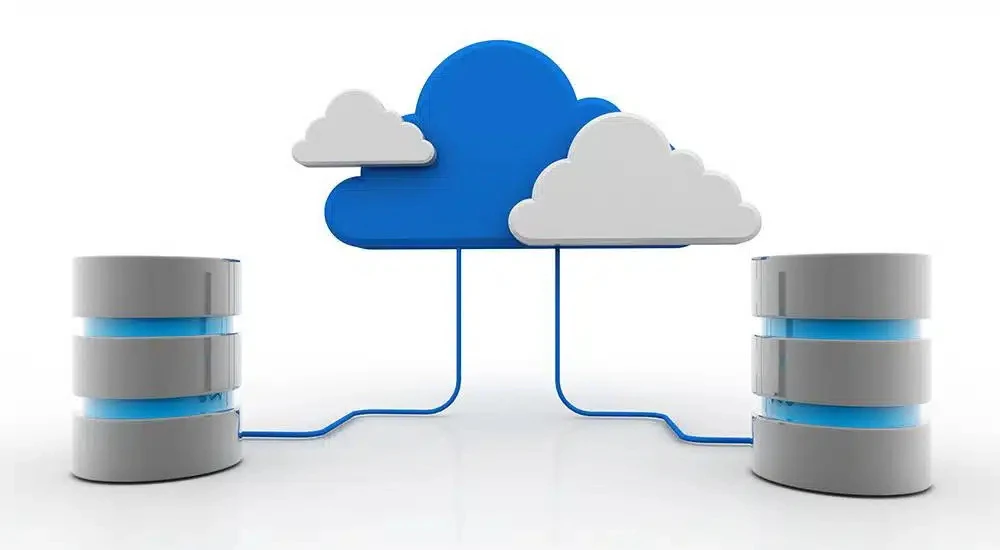
The integration of hyperscalers and cloud data warehouses creates a powerful ecosystem that drives the AI-driven economy. Hyperscalers provide the necessary infrastructure, while cloud data warehouses offer the platforms to process and analyze data. This synergy allows businesses to:
- Scale Operations: Easily expand computing resources to meet growing demands.
- Enhance Performance: Leverage high-performance computing to run complex AI models.
- Reduce Costs: Optimize resource utilization and minimize infrastructure expenses.
- Accelerate Innovation: Quickly deploy and iterate on AI applications.
Real-World Applications and Case Studies
1. Retail Industry
Retailers are leveraging AI to personalize customer experiences, optimize inventory management, and predict demand. By utilizing cloud data warehouses and hyperscaler infrastructure, they can process vast amounts of transactional and customer data in real-time, enabling them to make data-driven decisions swiftly.
2. Healthcare Sector
In healthcare, AI is being used to analyze medical images, predict patient outcomes, and personalize treatment plans. Cloud data warehouses store patient data securely, while hyperscalers provide the computational power needed to train and deploy AI models.
3. Financial Services
Financial institutions are adopting AI for fraud detection, algorithmic trading, and customer service automation. The combination of cloud data warehouses and hyperscaler infrastructure allows them to process large volumes of financial transactions and customer interactions efficiently.
Thought Leadership in AI and Innovation
For businesses looking to stay ahead in the AI-driven landscape, investing in thought leadership in AI and innovation is crucial. This approach not only strengthens a company’s expertise but also positions it as a trusted authority, enabling better decision-making and fostering innovation across teams.
Challenges and Considerations
While the benefits are substantial, there are challenges associated with the adoption of hyperscalers and cloud data warehouses:
- Data Security: Ensuring the protection of sensitive data in cloud environments.
- Compliance: Adhering to regulatory requirements across different regions.
- Cost Management: Monitoring and controlling expenses associated with cloud services.
- Integration: Seamlessly integrating cloud platforms with existing on-premises systems.
Businesses must carefully evaluate these factors to ensure successful implementation and maximize the benefits of these technologies.
The Future Outlook
The future of the AI-driven economy is promising, with continued advancements in AI technologies and cloud infrastructure. As businesses increasingly rely on data-driven insights, the role of hyperscalers and cloud data warehouses will become even more critical.
Investments in AI infrastructure are expected to continue growing, with companies like Microsoft projecting $120 billion in capital expenditures for the upcoming year, up from $88 billion (ft.com). This trend indicates a strong commitment to supporting the growing demands of AI applications.
Adopting thought leadership in AI and innovation strategies can also help organizations navigate these technological shifts more effectively, ensuring they remain competitive and innovative.
Hyperscalers and cloud data warehouses are at the forefront of the AI-driven economy, providing the infrastructure and platforms necessary for businesses to harness the power of artificial intelligence. By understanding their roles and leveraging their capabilities, organizations can unlock new opportunities for innovation and growth.
As we continue to navigate this digital transformation, it's essential for businesses to stay informed and adaptable, ensuring they are well-positioned to thrive in the evolving landscape of the AI-driven economy.

























Sign in to leave a comment.