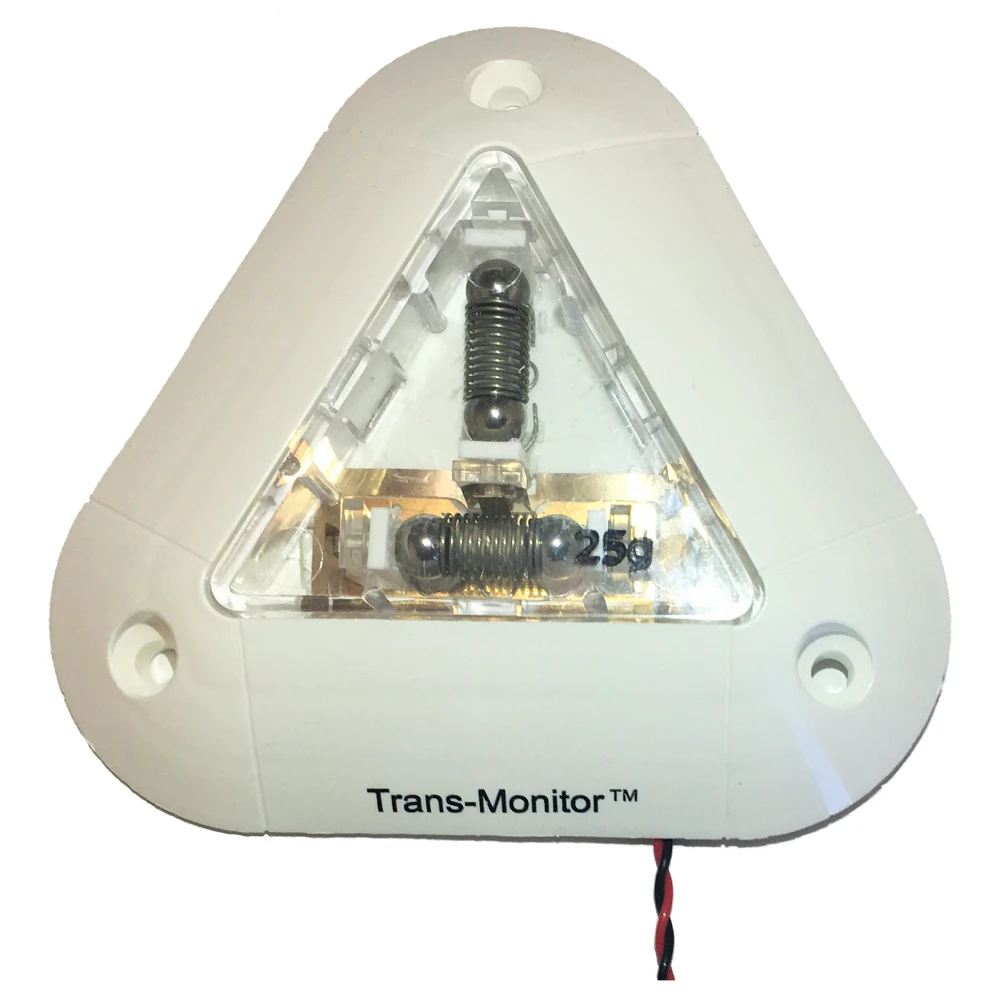

In today’s fast-moving world, impact detectors and impact recorders play a crucial role in ensuring safety, reliability, and product quality. From logistics to aerospace, these smart devices help monitor shocks, vibrations, and handling conditions — giving companies the data they need to protect valuable assets and improve operational performance.
What Is an Impact Detector?
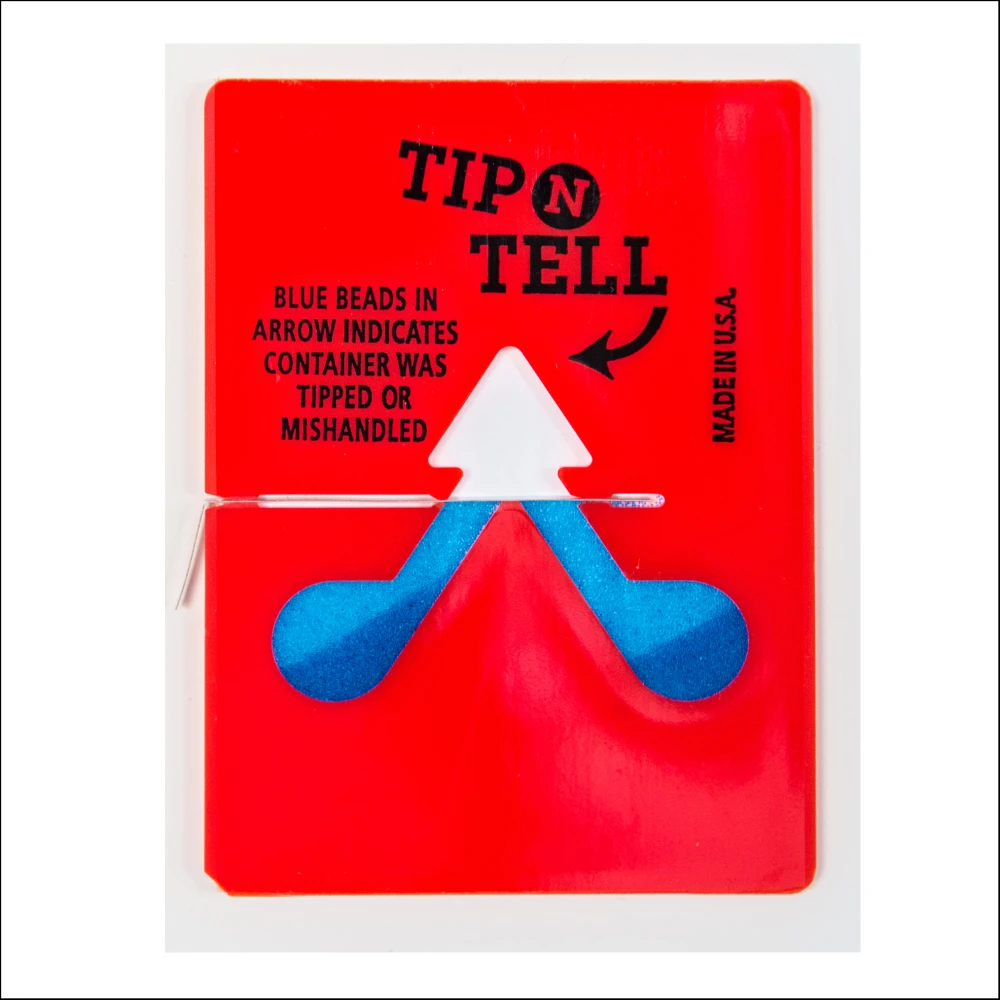
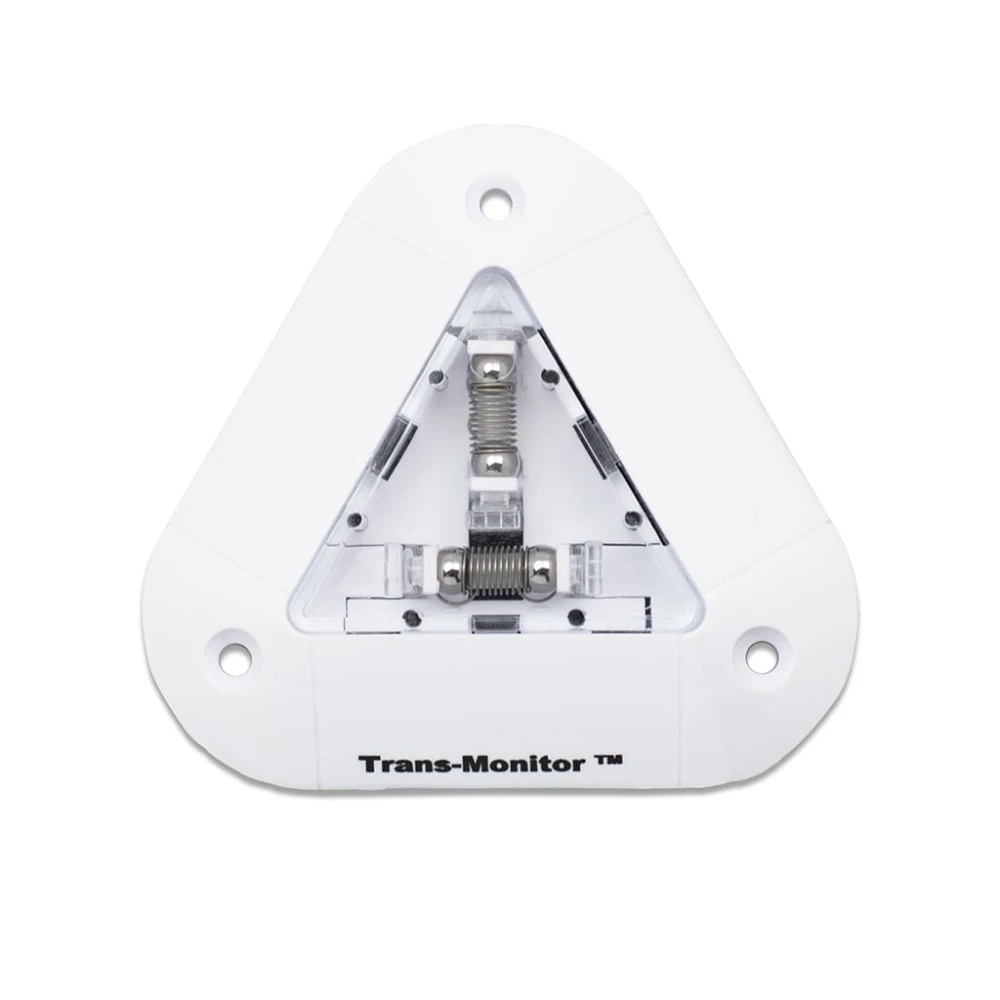
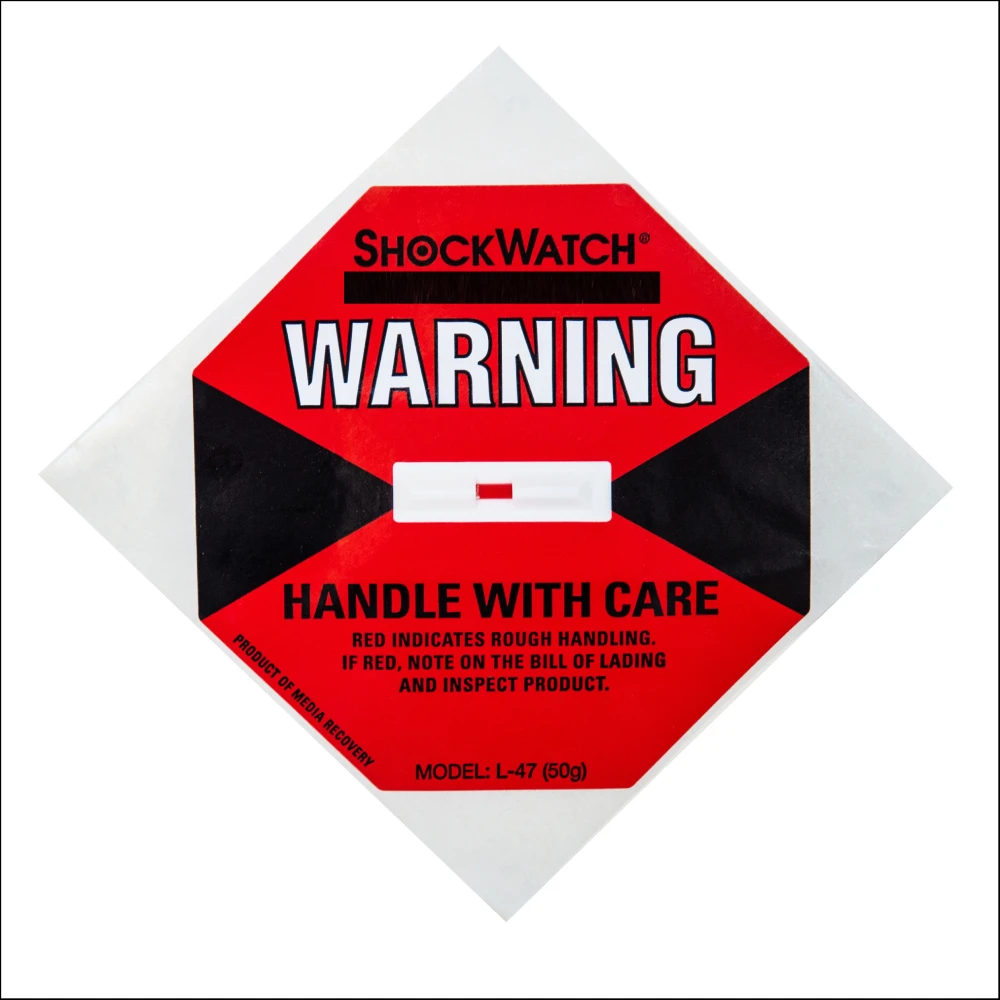
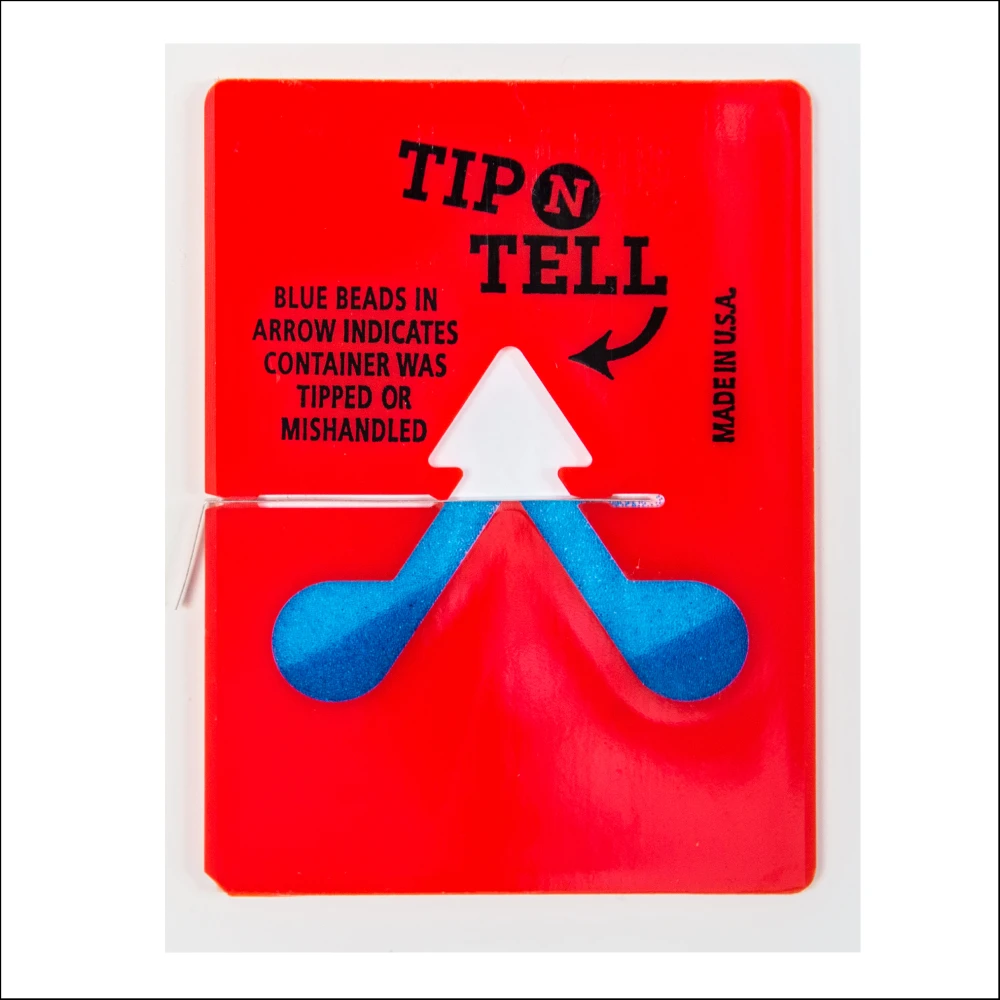
An impact detector is a device designed to sense and record any sudden impact or shock that an object experiences. It helps identify mishandling, collisions, or drops that could cause damage during transport or storage. Many modern impact detectors use advanced sensors and digital technology to provide accurate real-time data on vibration intensity, direction, and duration.
Common applications include:
- Shipping and logistics: Detecting rough handling during delivery.
- Manufacturing: Monitoring equipment for collisions or vibration overload.
- Automotive and aerospace: Tracking impacts during testing or operation.
By using an impact detector, companies can instantly detect when and where damage may have occurred — reducing losses and improving accountability across supply chains.
What Is an Impact Recorder?
An impact recorder goes one step further. It not only detects impacts but also records them for detailed analysis. This allows engineers, logistics teams, and quality-control professionals to review the exact time, force, and angle of each event.
Impact recorders are often equipped with:
- High-sensitivity accelerometers
- Built-in memory or cloud connectivity
- Battery-efficient data logging systems
This recorded data provides valuable insights that can be used to redesign packaging, enhance product durability, or optimize transportation routes.
Why Impact Monitoring Matters
In industries where precision and reliability matter, even a small shock can lead to significant damage. That’s why integrating impact detectors and impact recorders is essential. These tools:
- Protect sensitive equipment and electronics
- Reduce warranty claims and returns
- Improve customer satisfaction by ensuring product integrity
- Provide traceable data for insurance and quality audits
Choosing the Right Device
When selecting an impact detector or impact recorder, consider factors like:
- Sensitivity range: Match it to your product’s fragility.
- Recording capacity: Ensure it can store enough event data.
- Connectivity options: Choose between manual data download or IoT-based cloud systems.
- Power efficiency: Look for long-life batteries for extended monitoring.
Final Thoughts
Whether you’re shipping high-value goods or managing delicate industrial components, using an impact detector or impact recorder can make a measurable difference. These smart monitoring devices not only prevent losses but also drive improvements in safety, efficiency, and trust across every link of the supply chain.
Embracing impact detection technology is more than just a safety measure — it’s a smart investment in quality, accountability, and customer satisfaction.



























Sign in to leave a comment.