
Introduction – Why Every Shipment Needs a Shock Indicator
In today’s fast-paced world of logistics, even a small bump can turn a perfectly functional product into damaged goods. That’s where a Shock Indicator comes in. It’s a simple, smart, and powerful device designed to detect and record impact or mishandling during transit. Whether you’re shipping electronics, machinery, medical equipment, or fragile items, a shock indicator ensures your products arrive in perfect condition — and your customers stay satisfied.
What is a Shock Indicator?
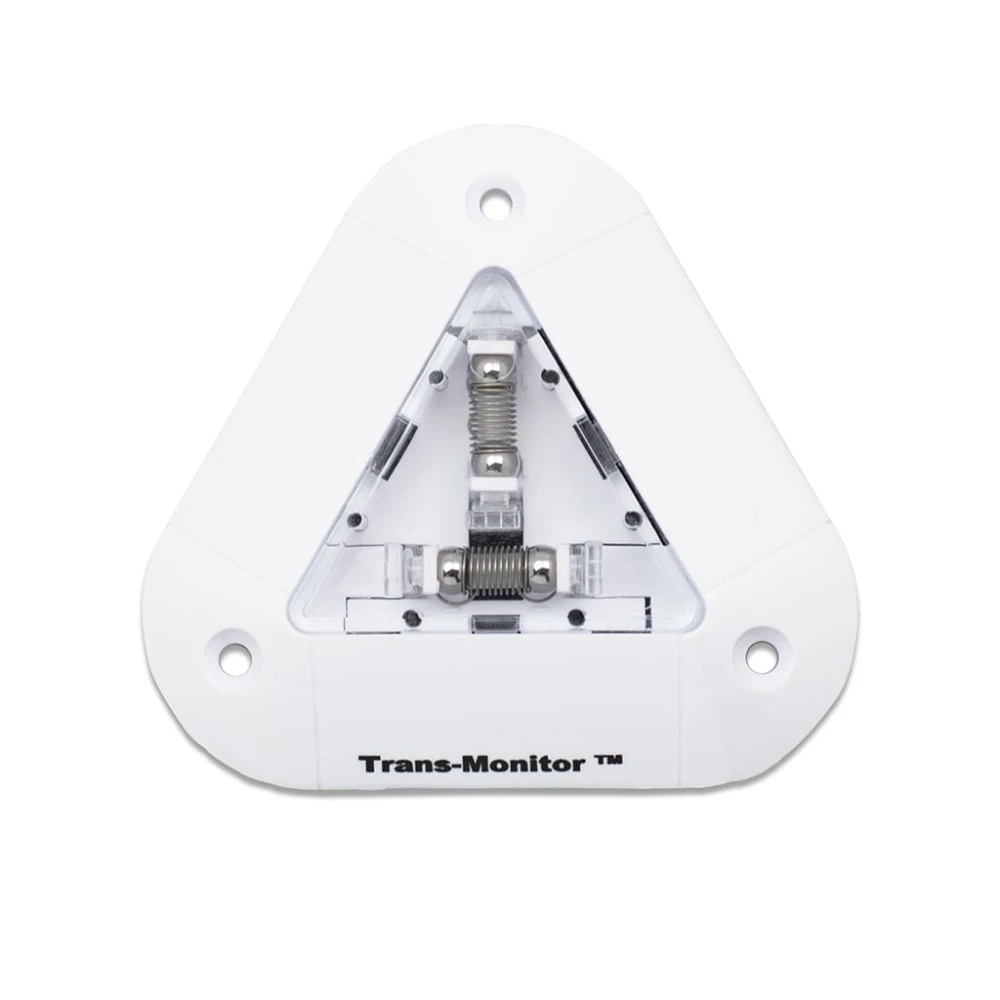
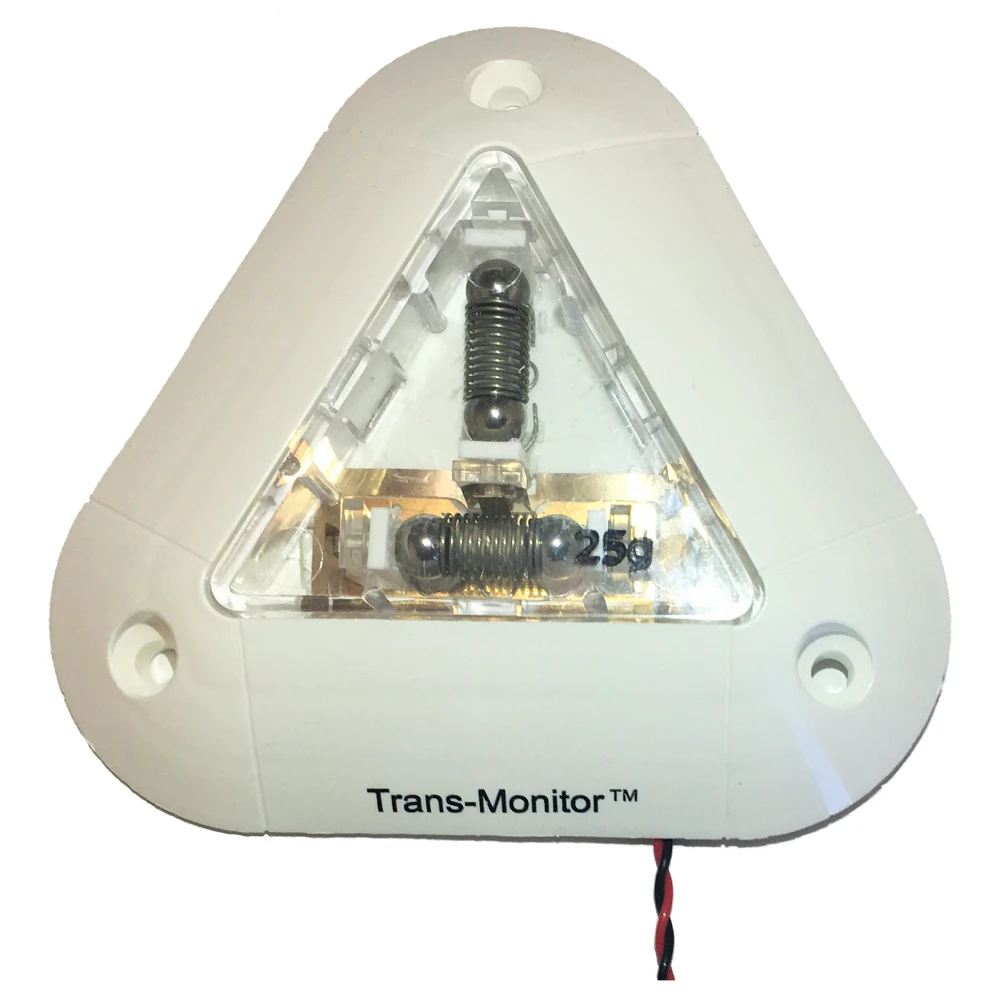
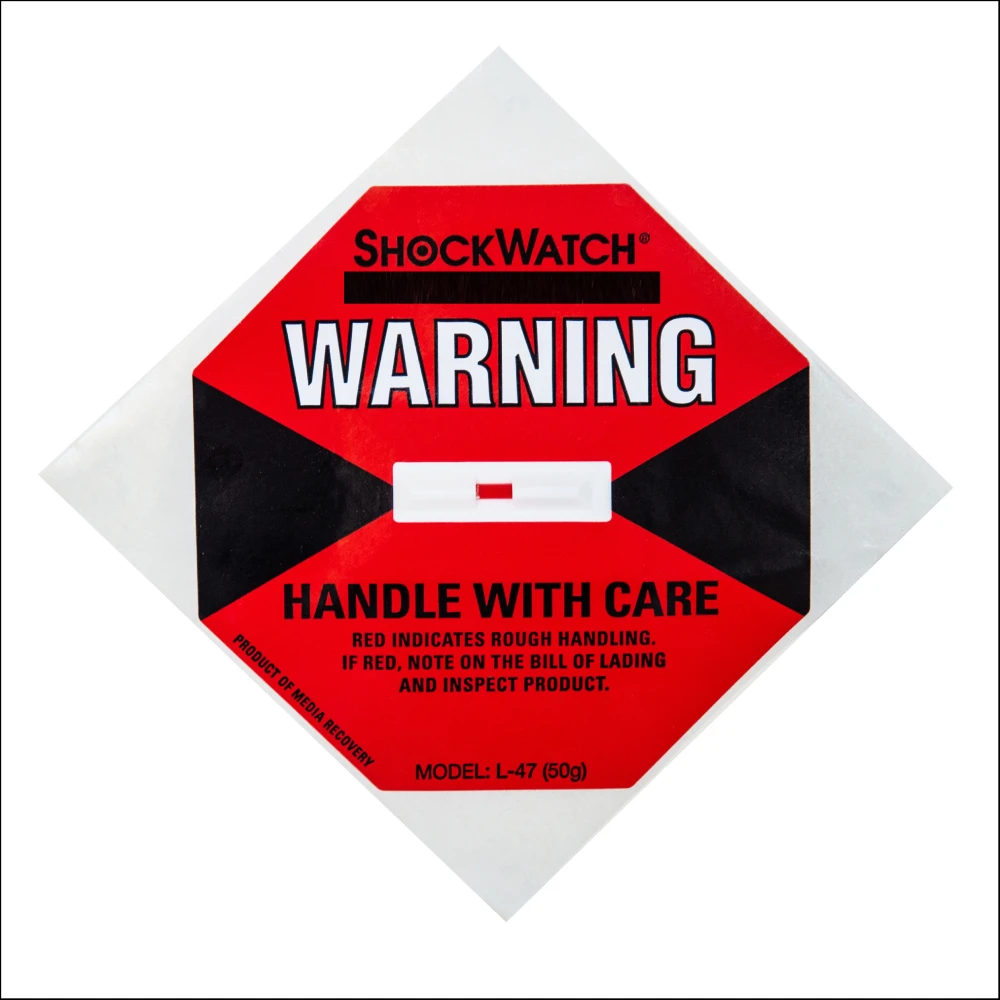
A shock indicator is a small label or device attached to a package that changes color or activates when the package experiences excessive impact or vibration.
It acts as a visual alert system for both the shipper and receiver — letting everyone know if the package was handled roughly.
In simple terms, a shock indicator says, “Handle with care — or face the consequences!”
How Does a Shock Indicator Work?
Shock indicators use sensitive mechanisms (like liquid-based tubes or mechanical sensors) that react to sudden impacts.
When the shock exceeds a set threshold, the indicator changes color — usually from clear to bright red, signaling that the product might have been damaged.
Some advanced models even come with:
- Digital data recording
- Temperature and tilt detection
- QR or barcode tracking for easy monitoring
Why Shock Indicators Matter
Using a shock indicator isn’t just about preventing damage — it’s about accountability, transparency, and trust.
Here’s how it helps:
- Reduces product damage rates during shipping and handling
- Encourages careful handling by carriers and warehouse staff
- Improves customer confidence and satisfaction
- Saves costs by cutting down on returns and replacements
- Provides proof of mishandling for insurance claims
Industries That Benefit from Shock Indicators
Shock indicators are used across multiple industries where delicate and high-value goods are involved. Some examples include:
- Electronics & semiconductors
- Industrial machinery
- Medical and laboratory equipment
- Automotive parts
- Glassware and fragile materials
In these sectors, even a small jolt can mean thousands of dollars in losses — making shock indicators a smart investment.
How to Choose the Right Shock Indicator
Before selecting one, consider:
- Sensitivity level (G-force rating) – Match it to your product’s fragility.
- Environmental conditions – Choose indicators suitable for temperature or humidity extremes.
- Type of packaging – Ensure proper placement and visibility.
- Tracking options – Go digital if you need analytics or remote monitoring.
Final Thoughts
A Shock Indicator may seem like a small addition, but its impact is huge. It protects your brand reputation, minimizes shipping losses, and ensures every product reaches its destination safely.
In a world where safe delivery equals customer trust, using a shock indicator isn’t just smart — it’s essential.
So next time you ship something fragile, let a shock indicator do the watching for you.





























Sign in to leave a comment.